
From 13–15 November 2026, FASHIONCLASH Festival returns to Maastricht for its 18th edition. The international and multidisciplinary festival brings together a new generation of designers, artists and performers from the Netherlands and abroad through a three-day programme of performances, exhibitions, fashion shows, films, workshops, talks and participatory projects, presented across various locations in the city.
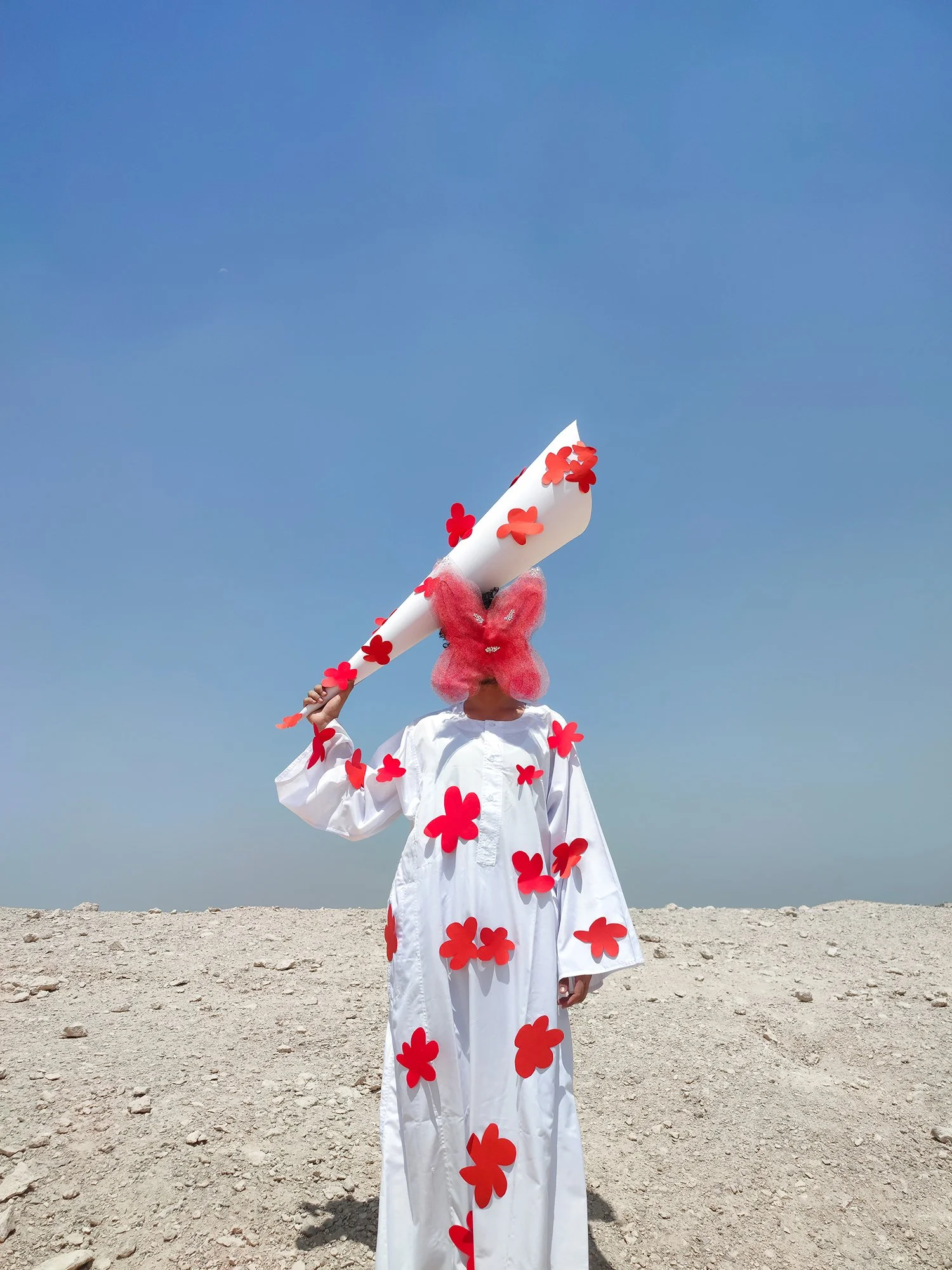
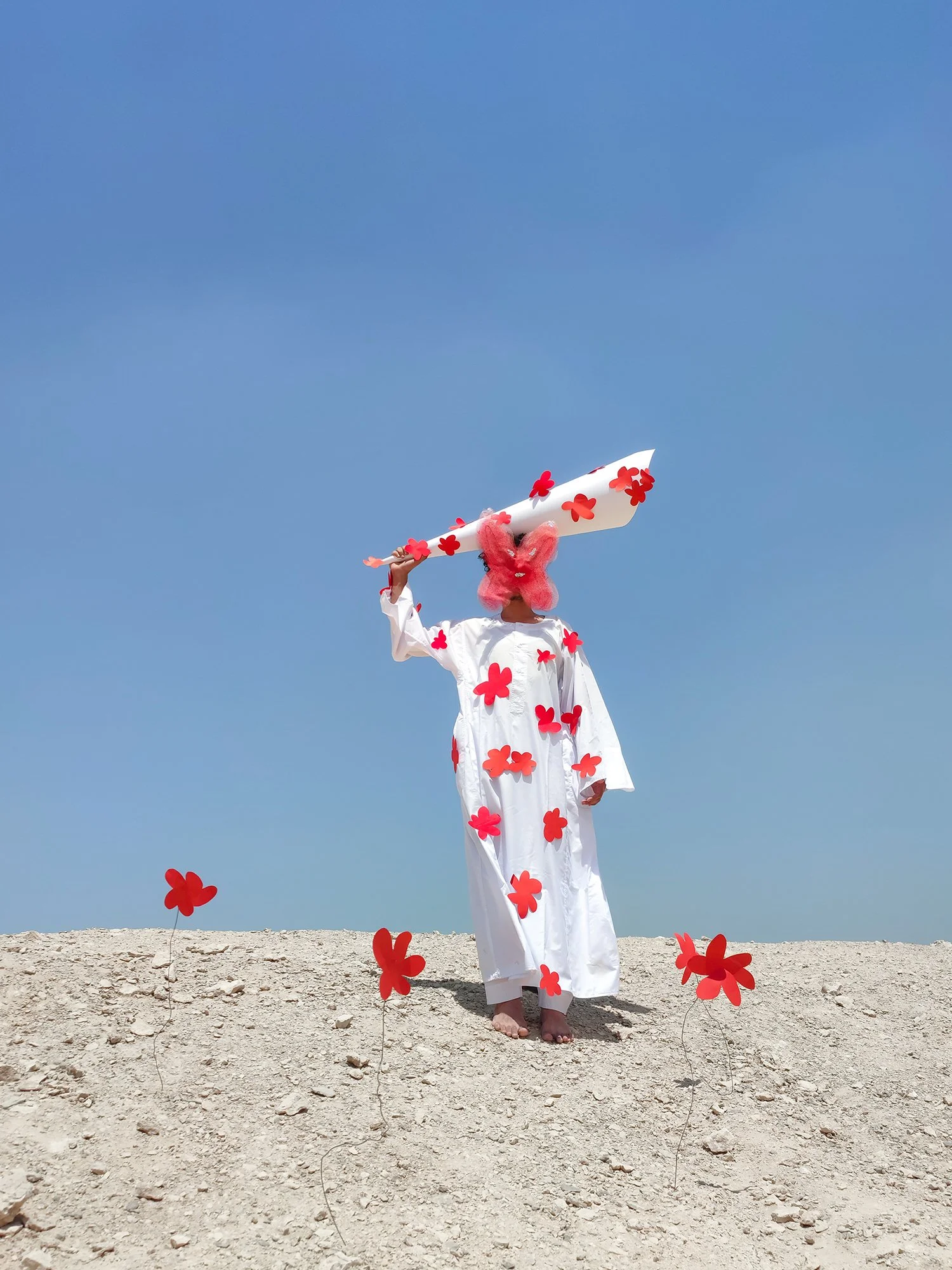
We proudly present the first campaign images
for the 18th edition created by Hashim Nasr!
About Hashim Nasr
Hashim Nasr is a Sudanese visual artist and photographer based in Alexandria, Egypt. Graduated as a dentist his conceptual and surreal artistic practice started as an experimental act to explore themes of displacement, memory, and gender identities through staged images and symbolic visual language that reflect emotional and psychological landscapes. He uses experimental handcrafted objects to navigate exile, identity, and the search for belonging . His recent projects focus on the experience of war and migration. His works have been exhibited locally, internationally, and in several publications and virtual exhibitions.
Campaign concept
The campaign brings together African and Middle Eastern cultural traditions through a surrealist and avant-garde visual language. Set against open landscapes and carefully staged environments, the images transform traditional symbols, clothing, rituals and objects into dreamlike narratives in which the boundaries between memory, mythology and contemporary identity blur.
By bringing together diverse cultural references in symbolic scenes, the campaign creates a space in which heritage is not only preserved but also reimagined. Through conceptual photography and carefully constructed visual narratives, it celebrates cultural connections while exploring themes of connection, transformation and collective imagination.
Developed by Sudanese visual artist and photographer Hashim Nasr, the campaign reflects FASHIONCLASH Festival's commitment to presenting diverse perspectives and creating space for new narratives.