
Photography: Jonathan Widdershoven
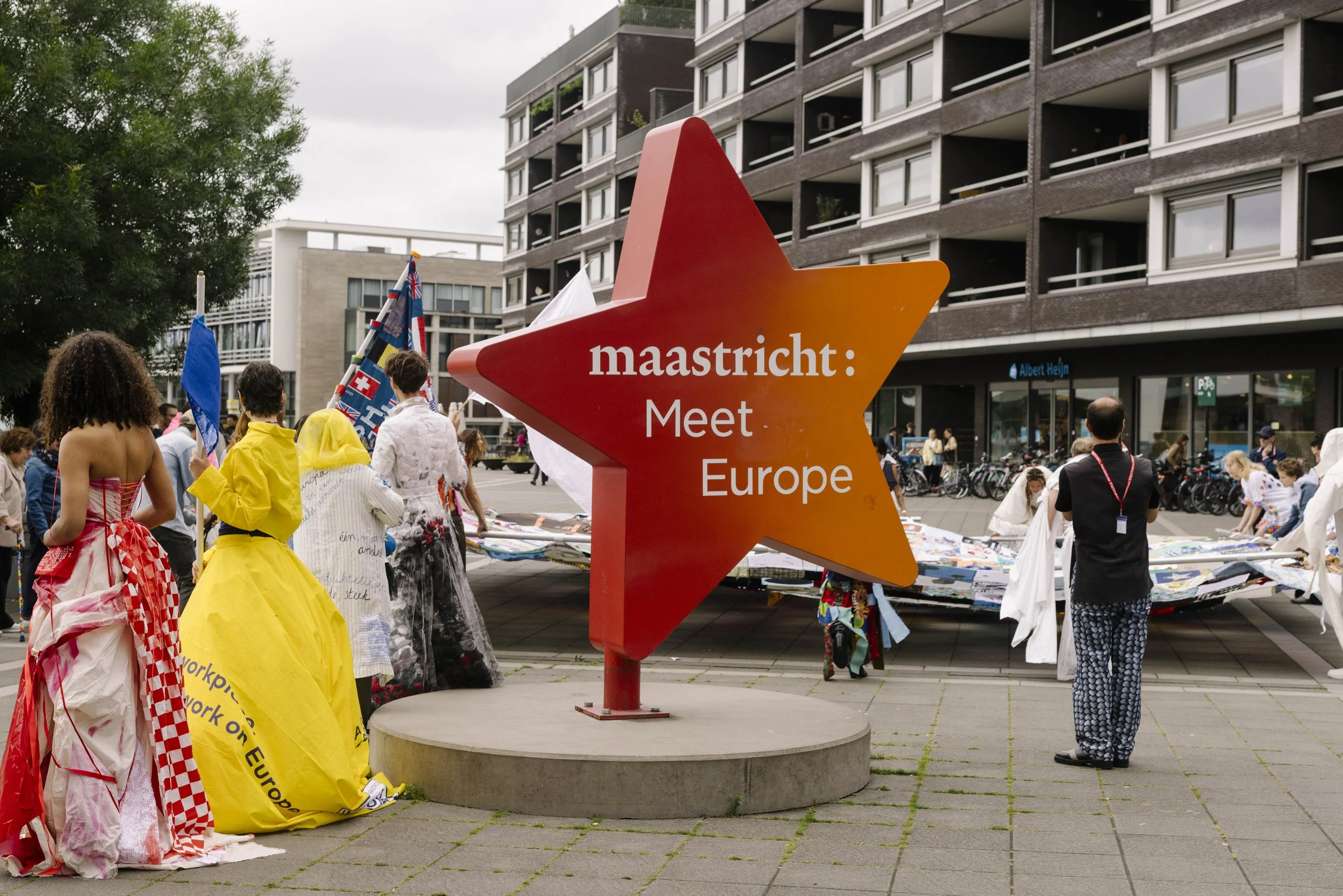
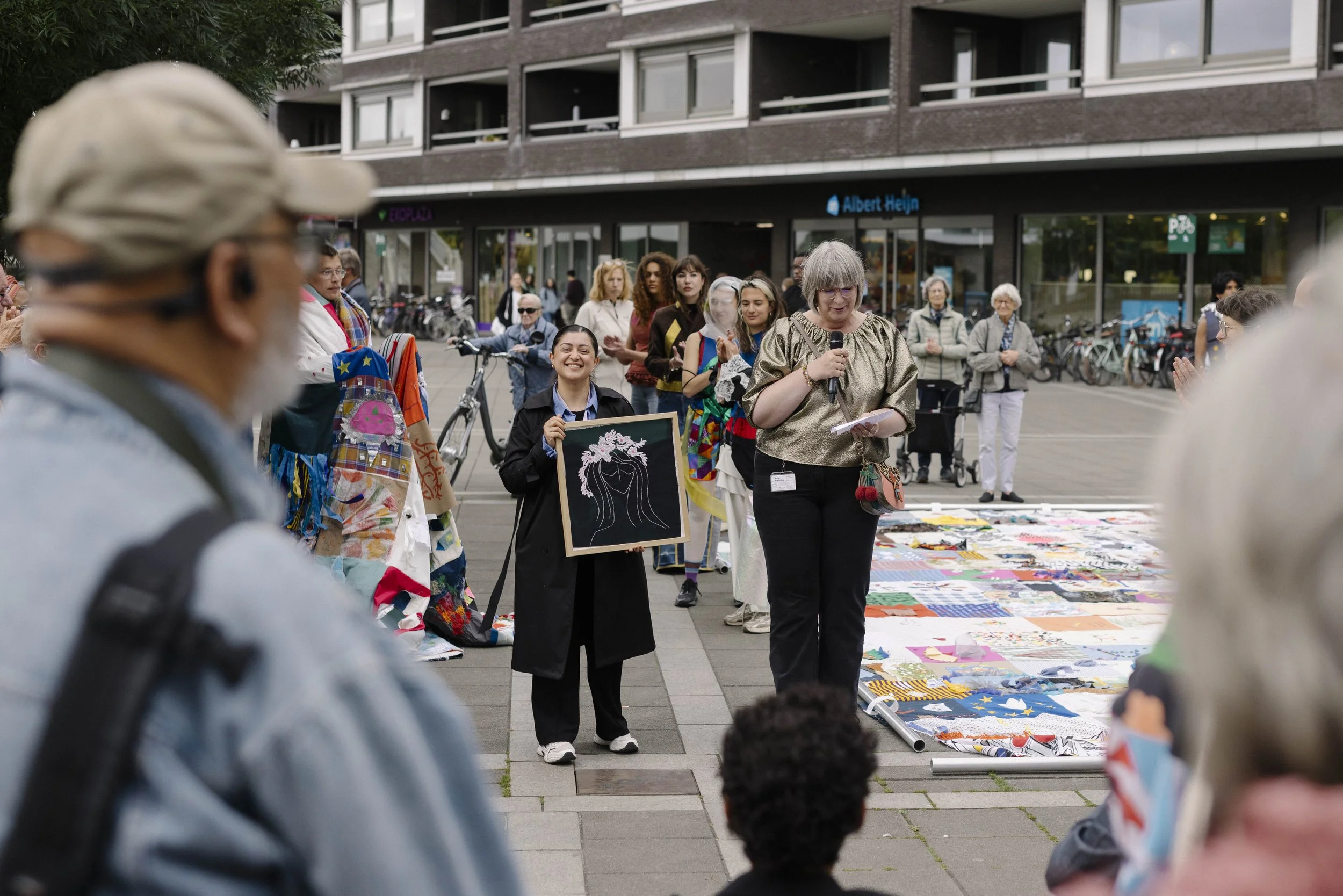
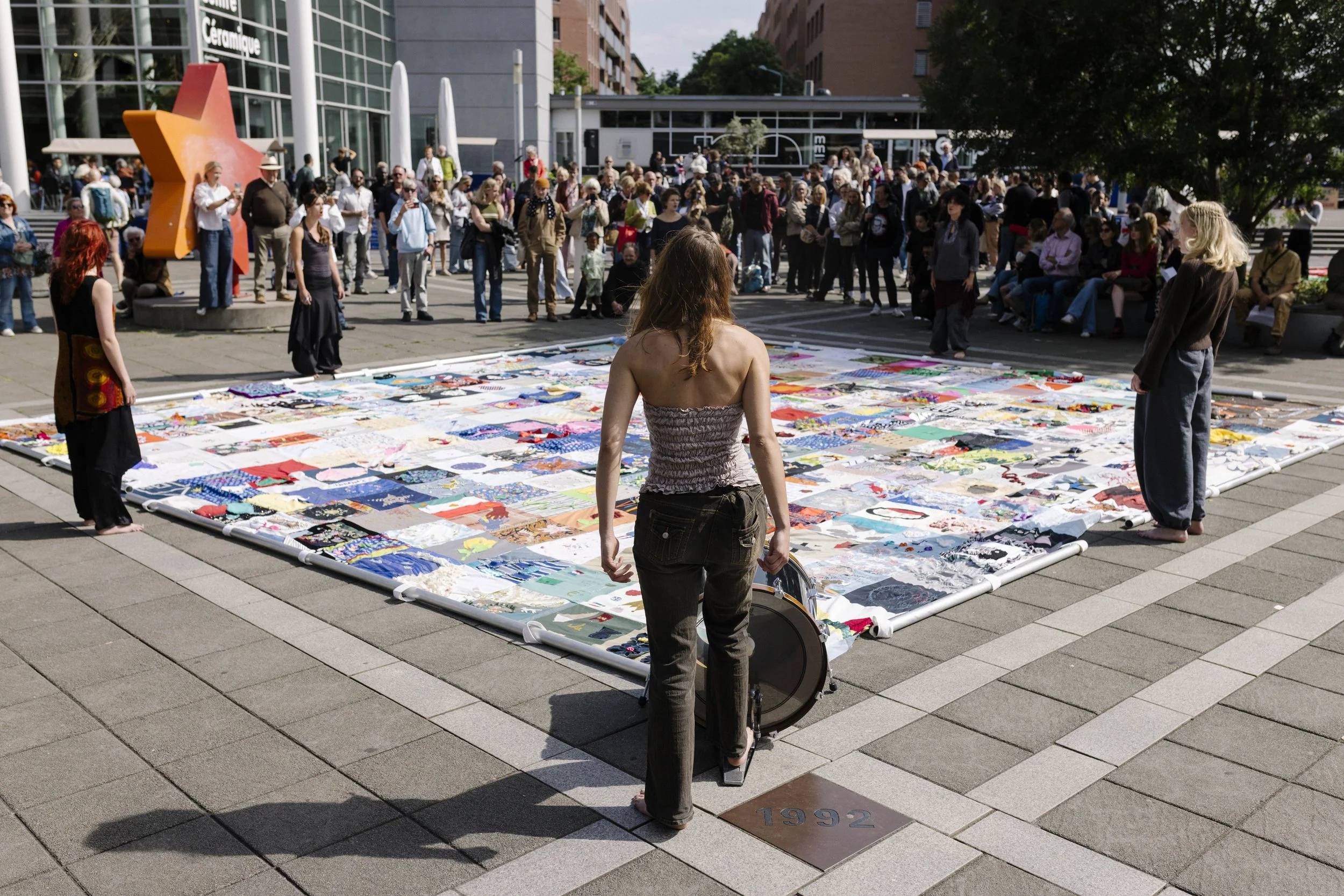
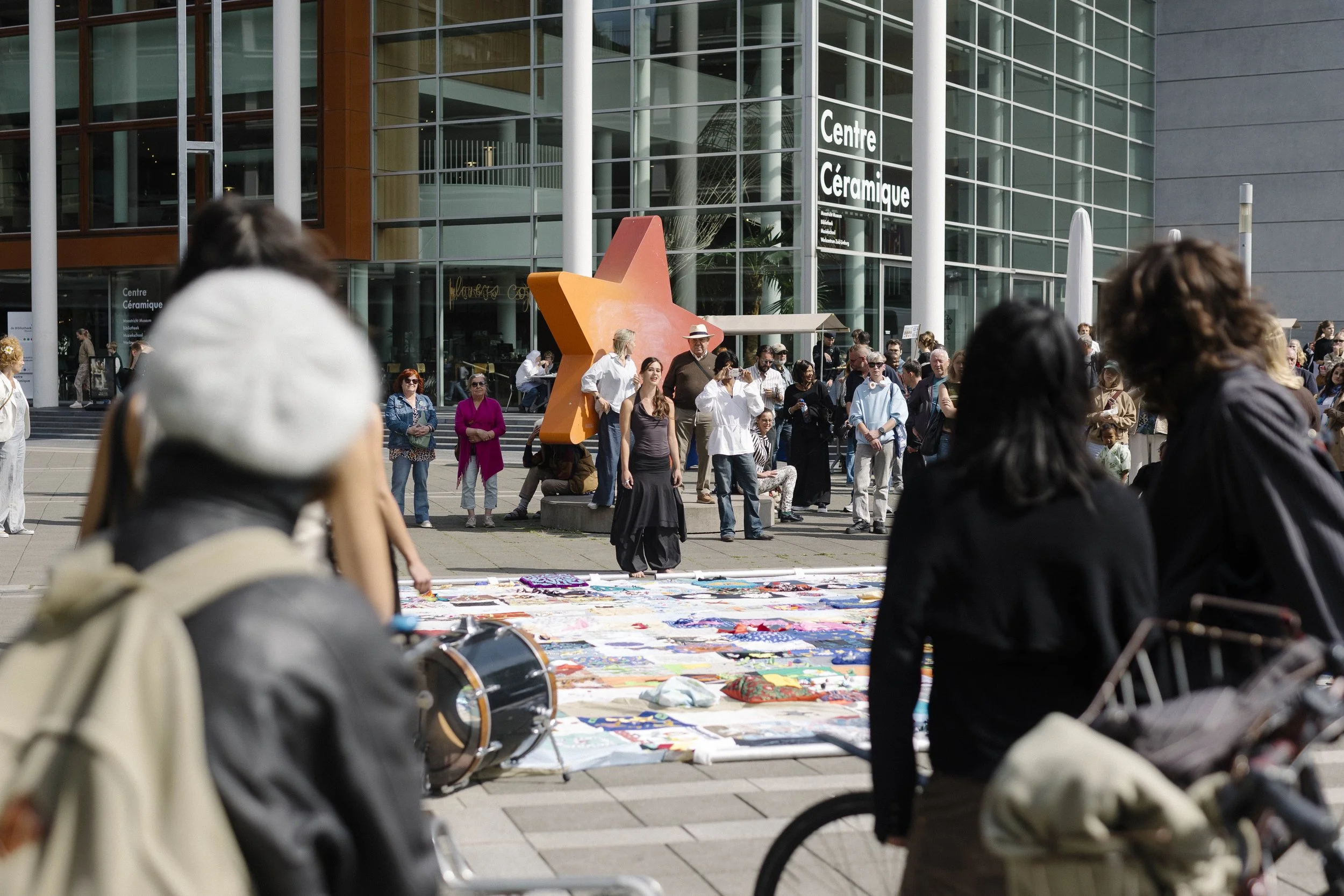
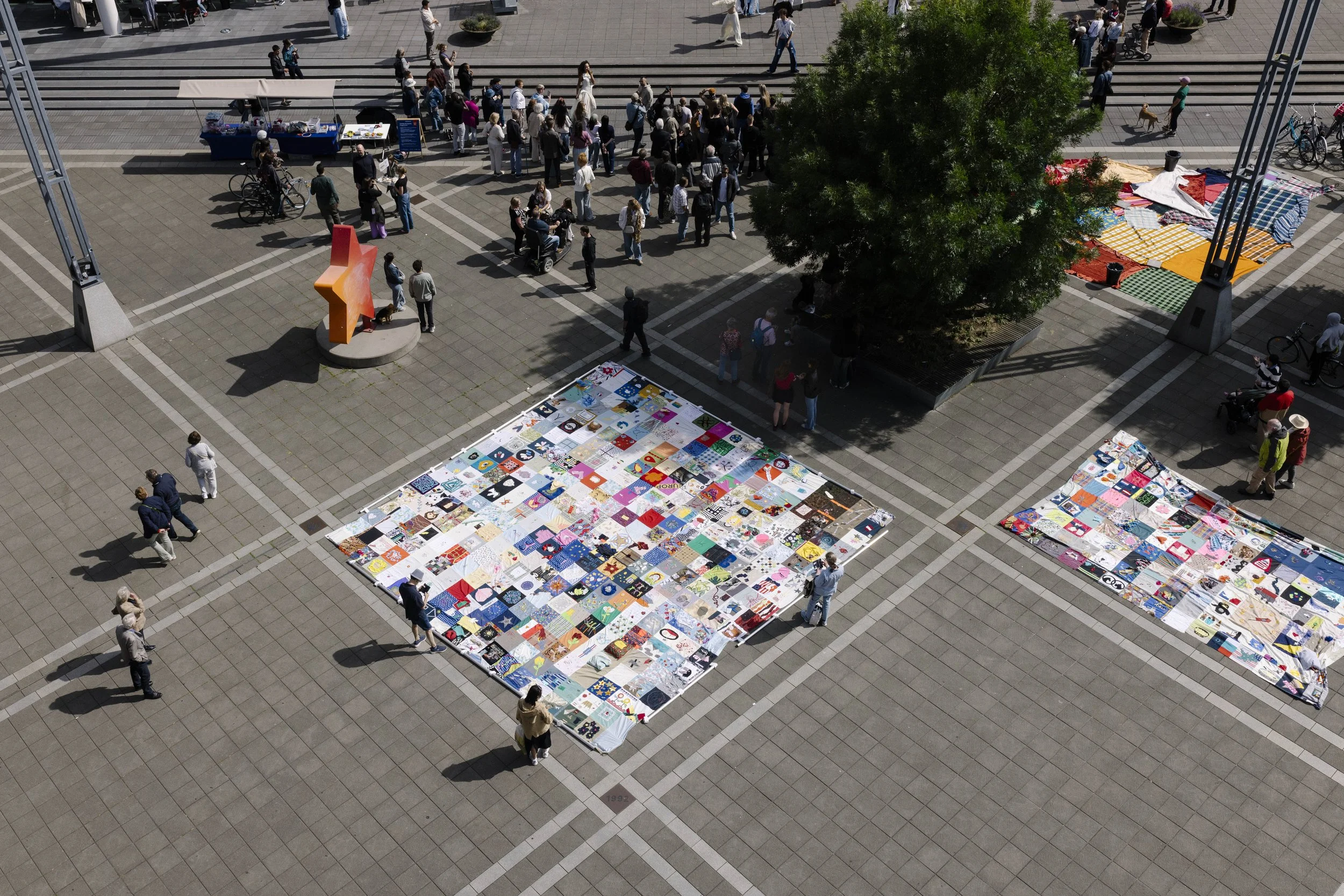
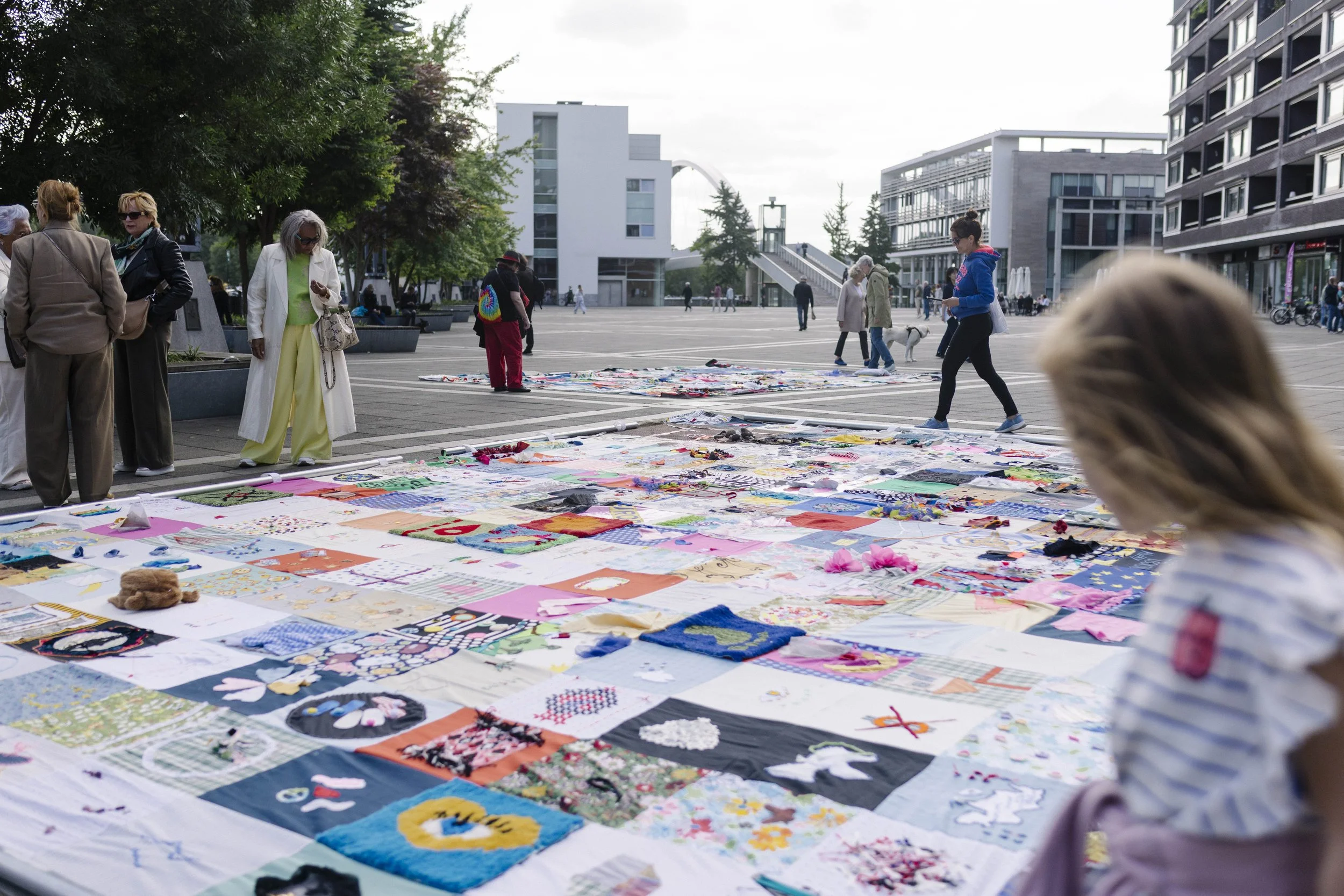
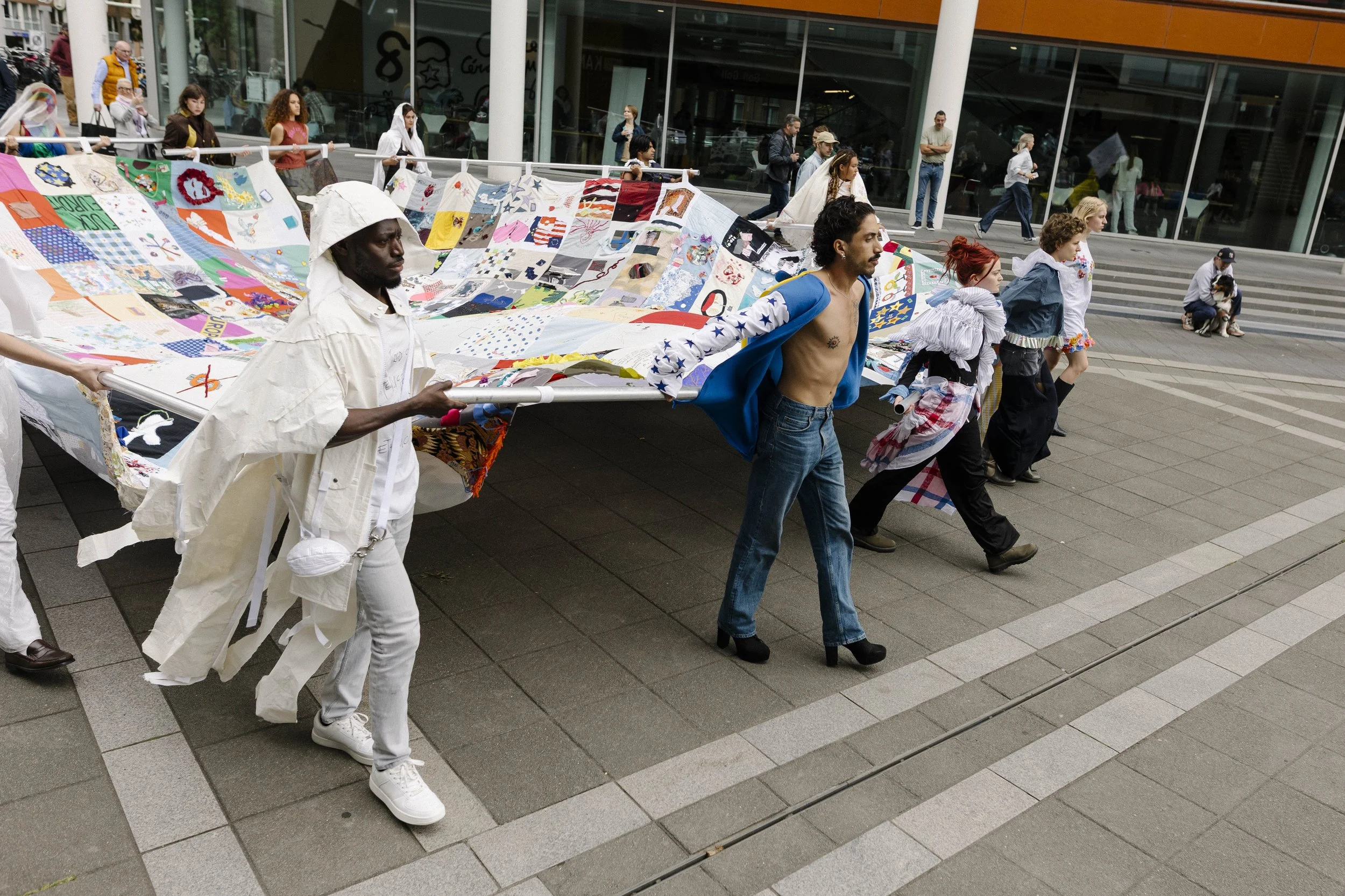
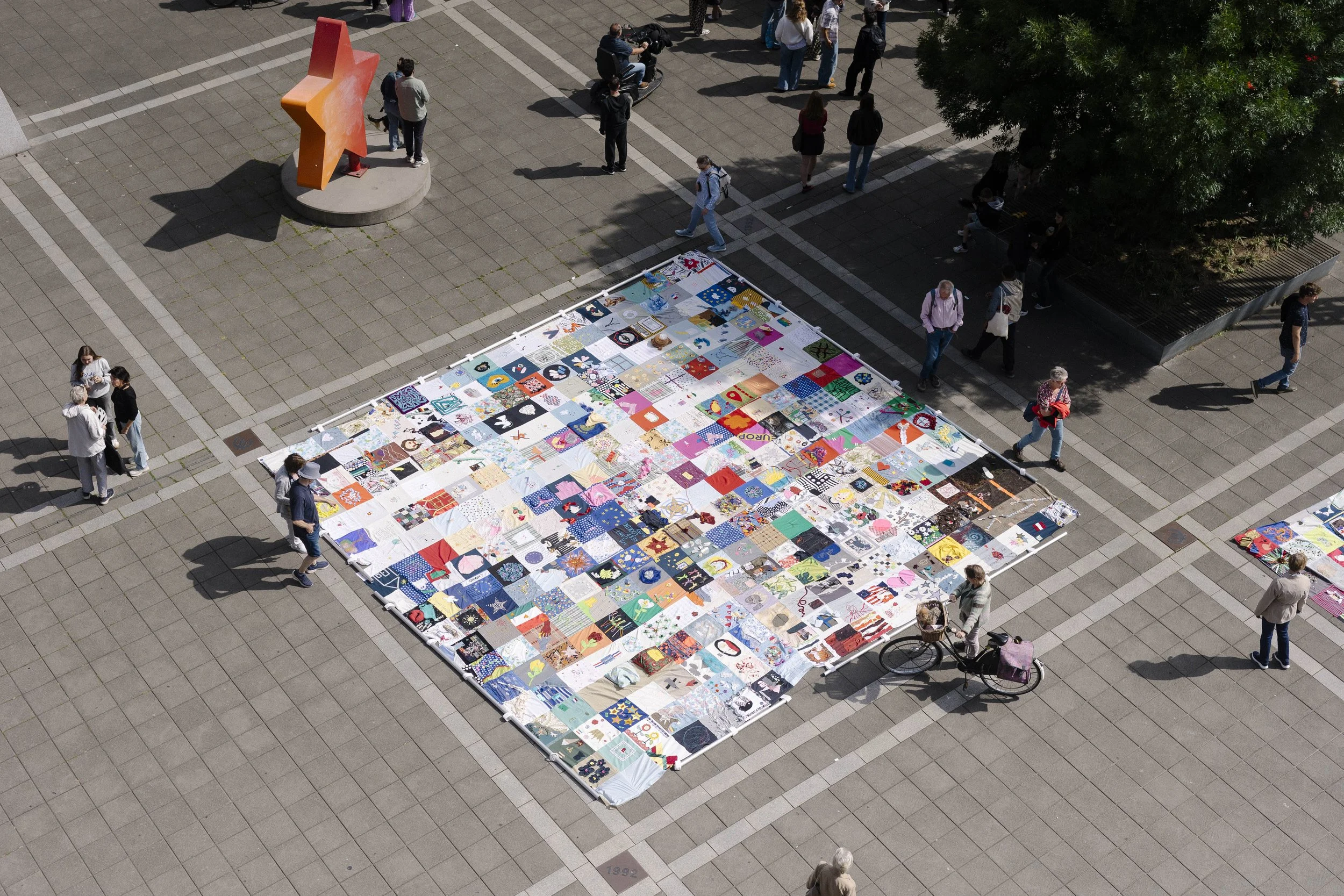
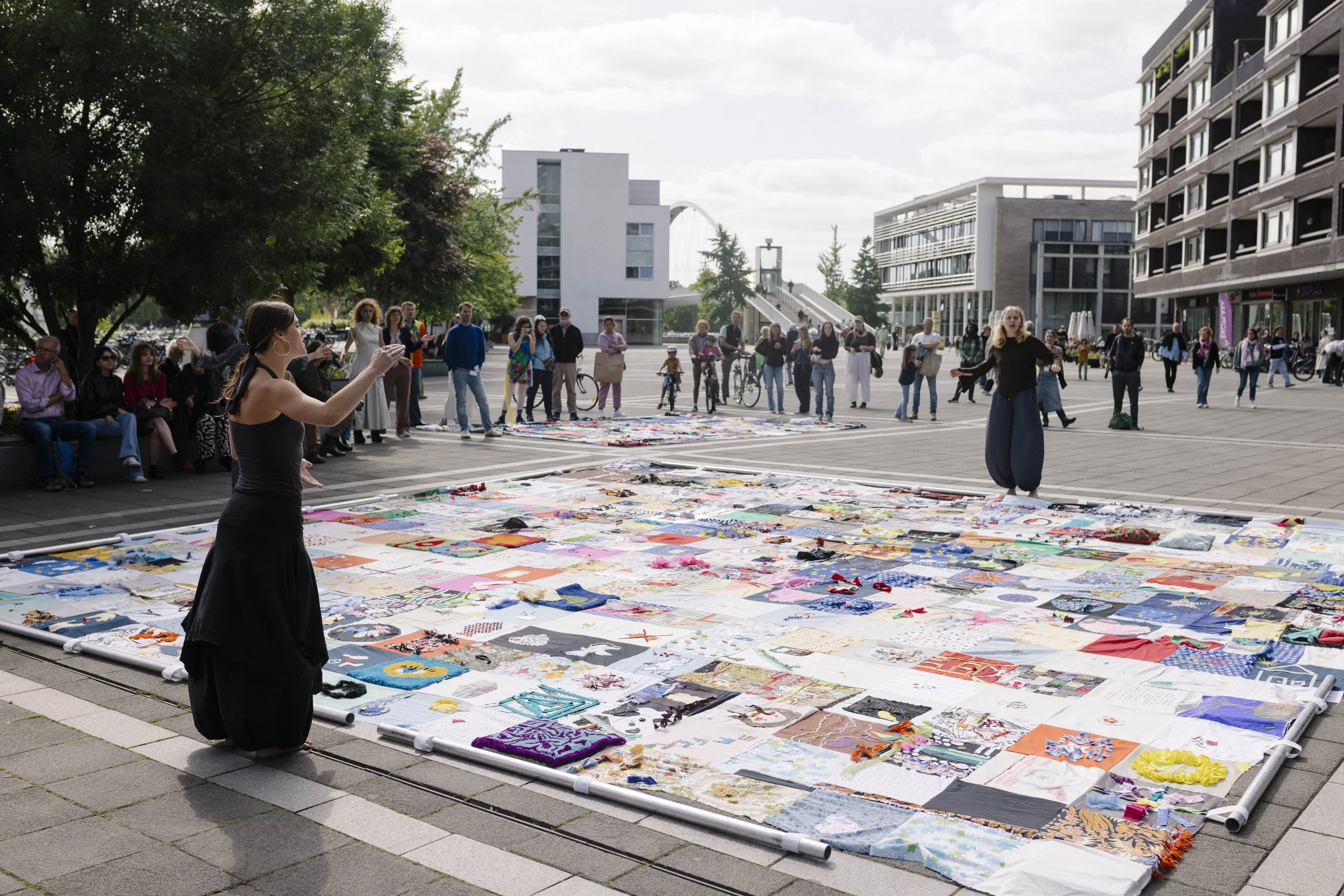
On Sunday, June 7, Plein 1992 in Maastricht was transformed into a vibrant gathering place during the TexTiles BlockParty, the public highlight of TexTiles, the participatory art project by FASHIONCLASH and part of Maastricht Year 2026. Hundreds of participants, visitors, partners, and community organizations came together for an afternoon filled with art, fashion, performances, workshops, music, food, and connection. At the heart of the event was the first full unveiling of the monumental TexTiles artwork, including the reveal of the winning TexTile that will be part of the collection at Maastricht Museum
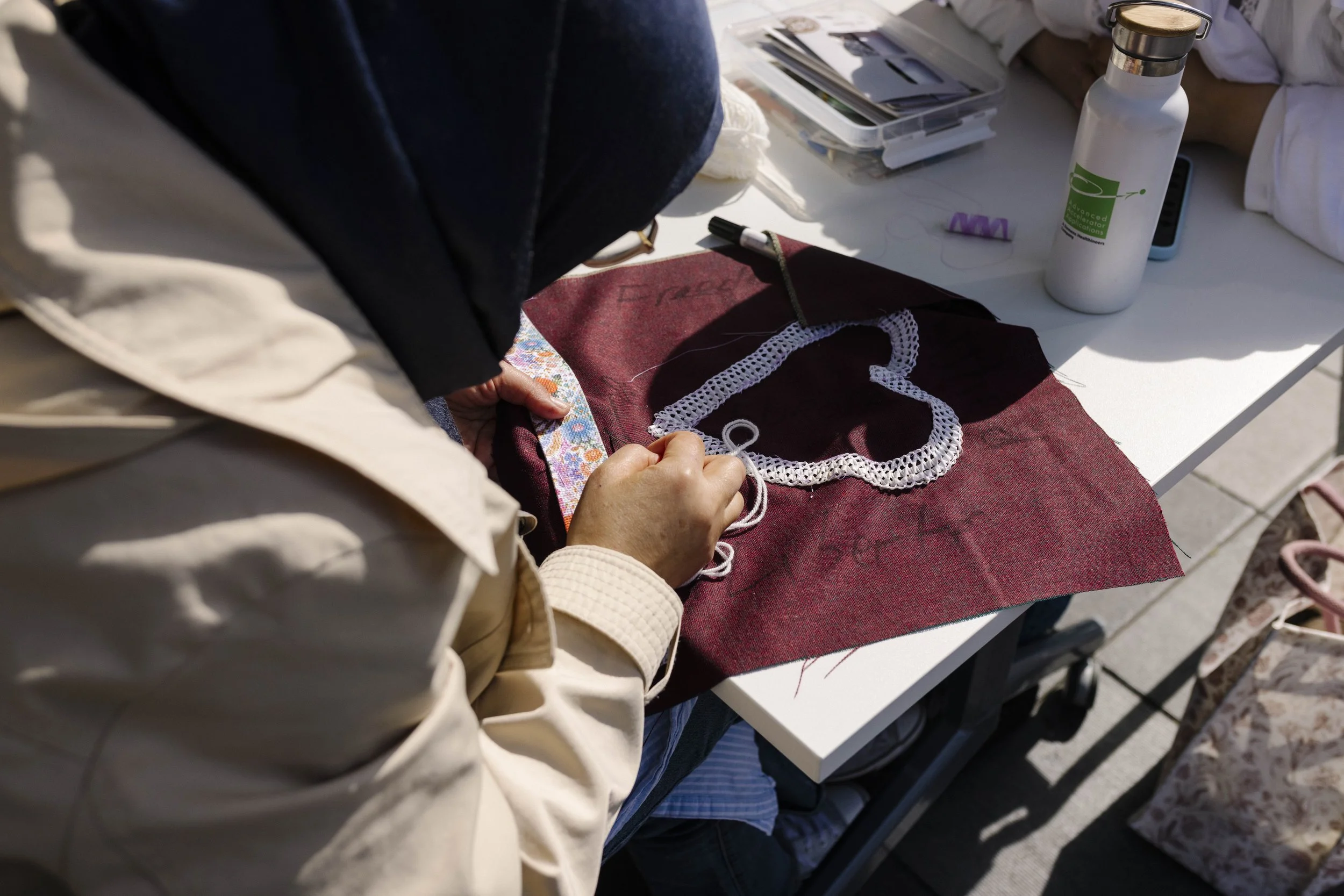
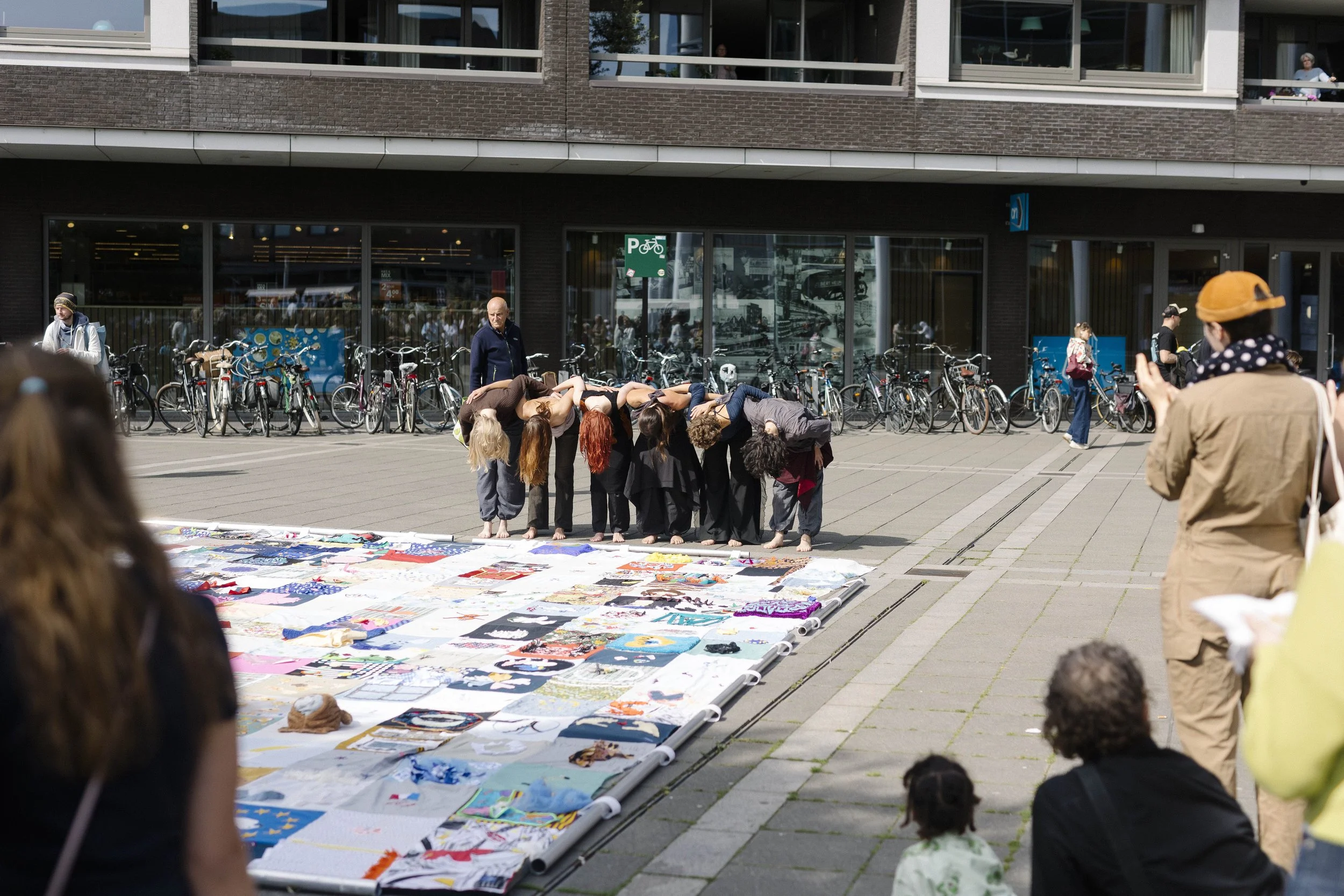
Over the past months, hundreds of people from Maastricht, elsewhere in the Netherlands, and abroad have created individual textile tiles measuring 40 x 40 centimeters. Each tile represents a personal story, memory, dream, or perspective on Europe.
Together, these contributions form an impressive collective textile artwork that was presented in its entirety for the first time during the BlockParty at Plein 1992. Inspired by the Maastricht Treaty, TexTiles invites participants to reflect on questions such as: What does Europe mean to you? Which stories, experiences, and visions of the future do we associate with Europe? While a historic treaty was signed in Maastricht in 1992, residents in 2026 are weaving a contemporary and human interpretation of Europe through textiles.
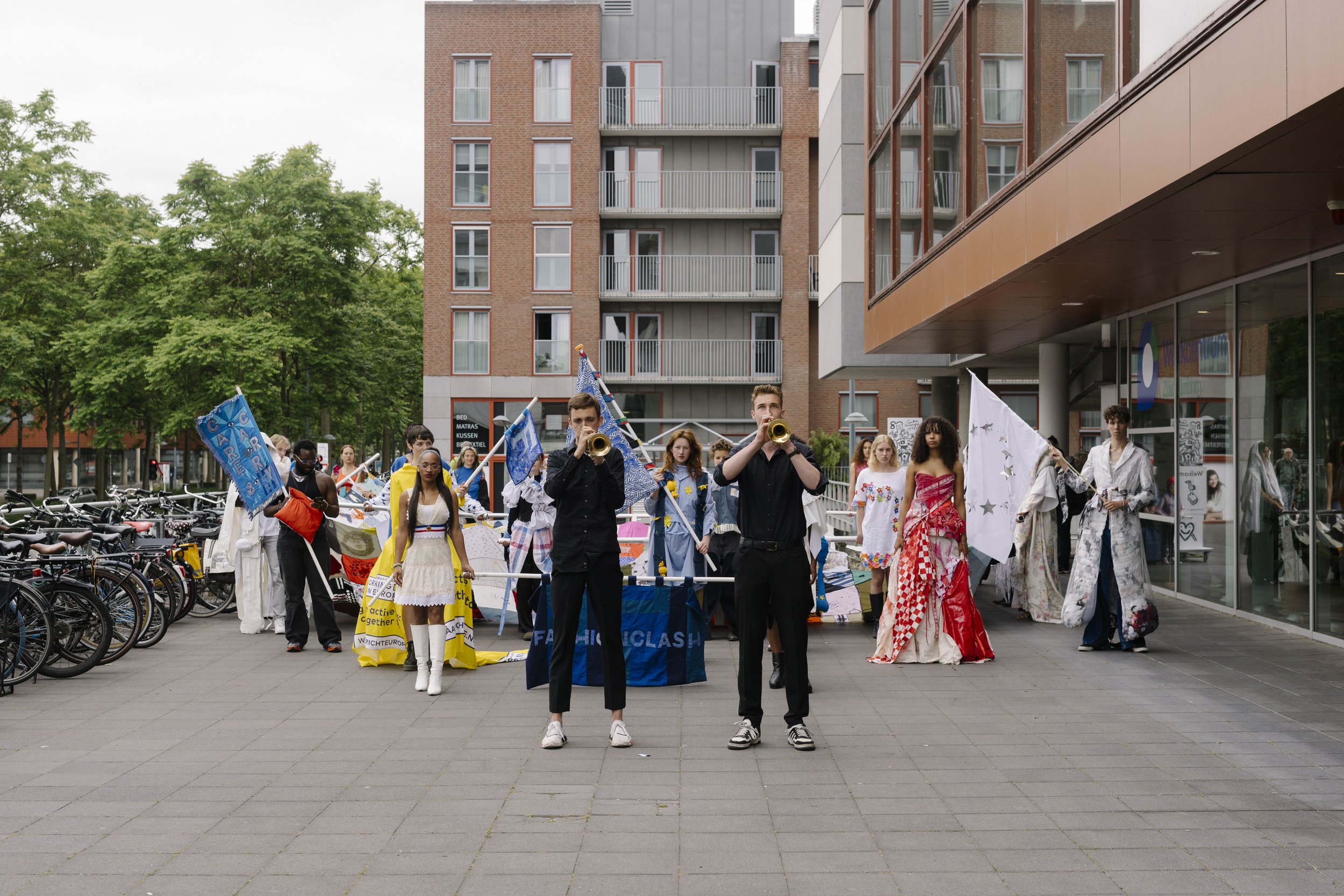
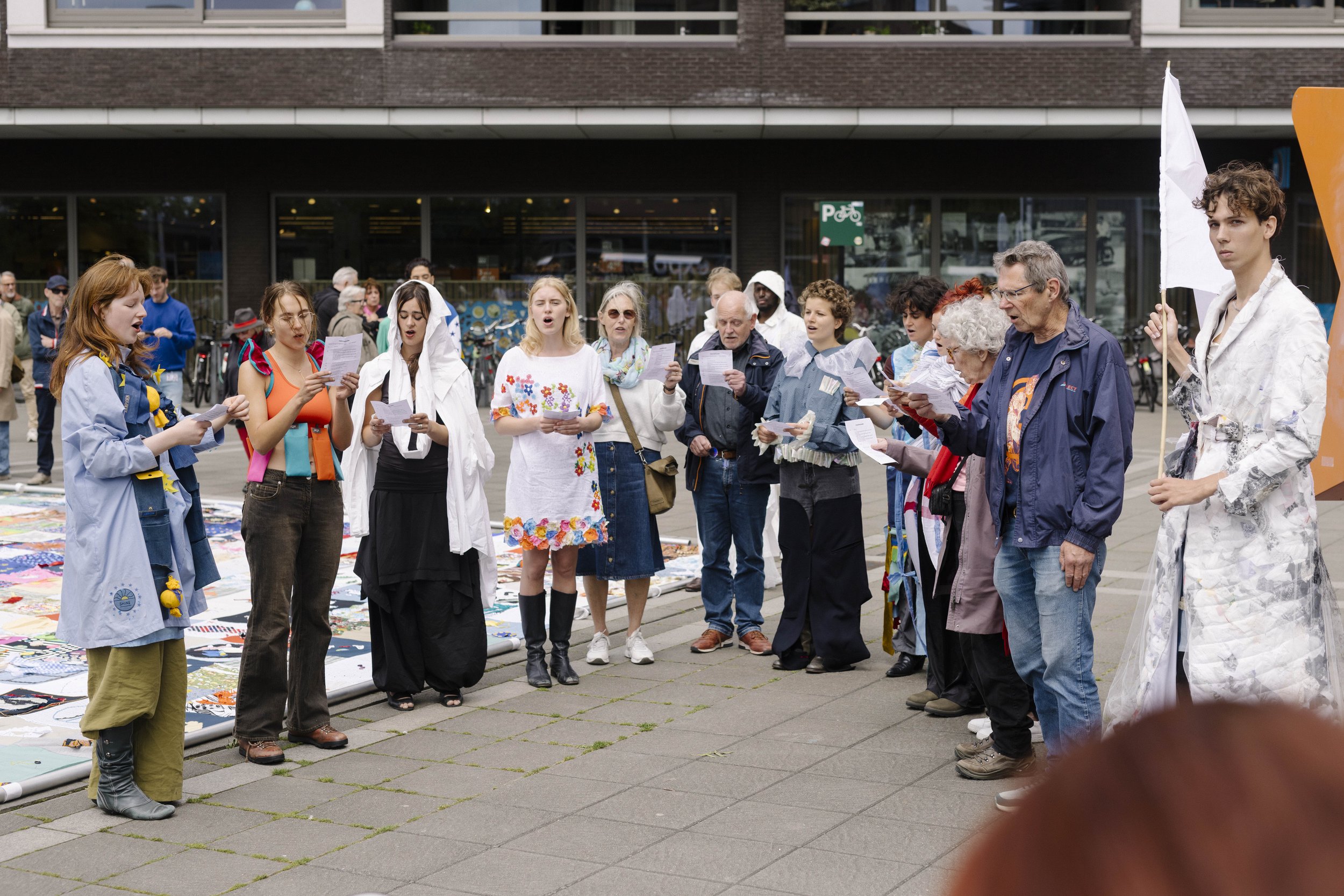
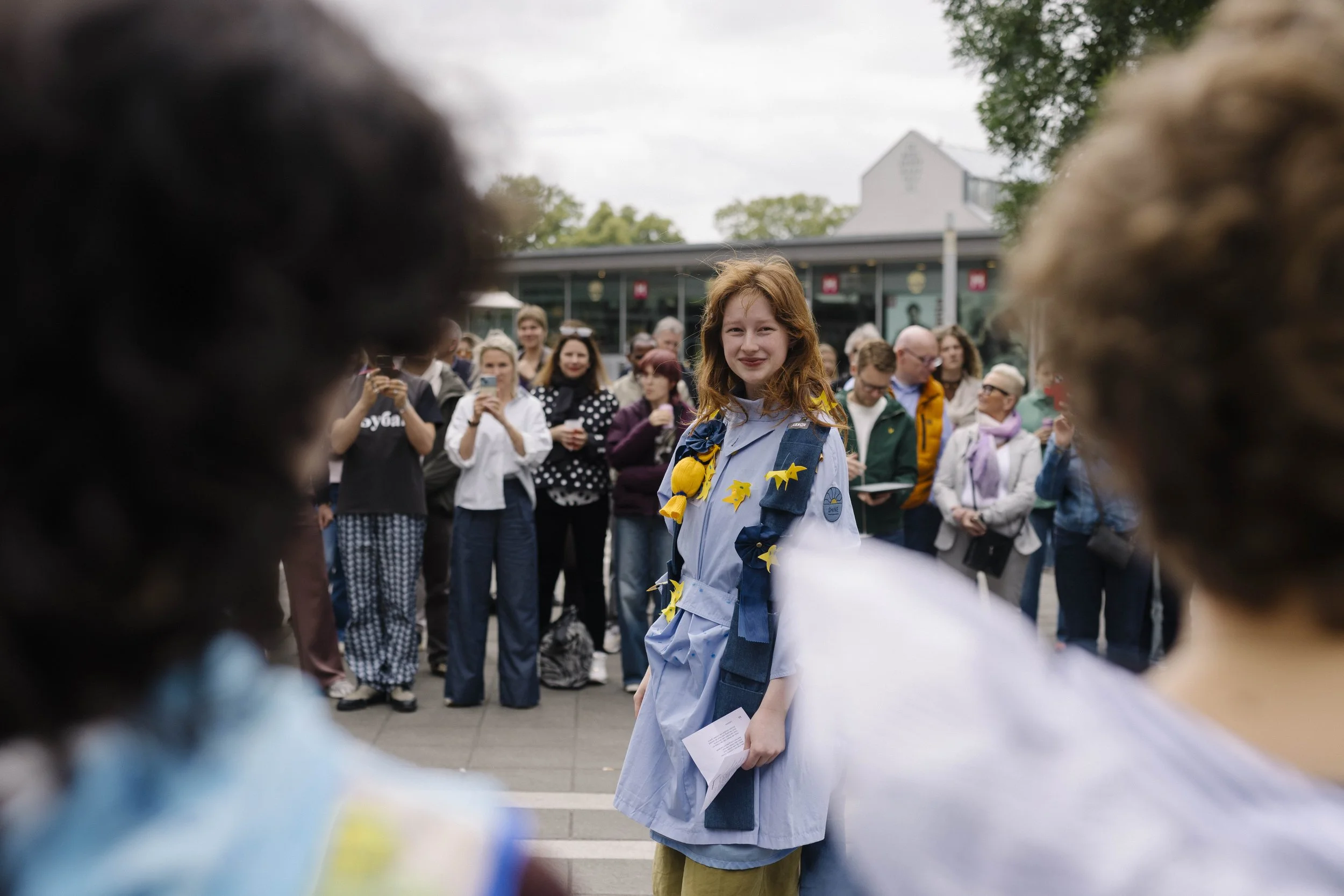
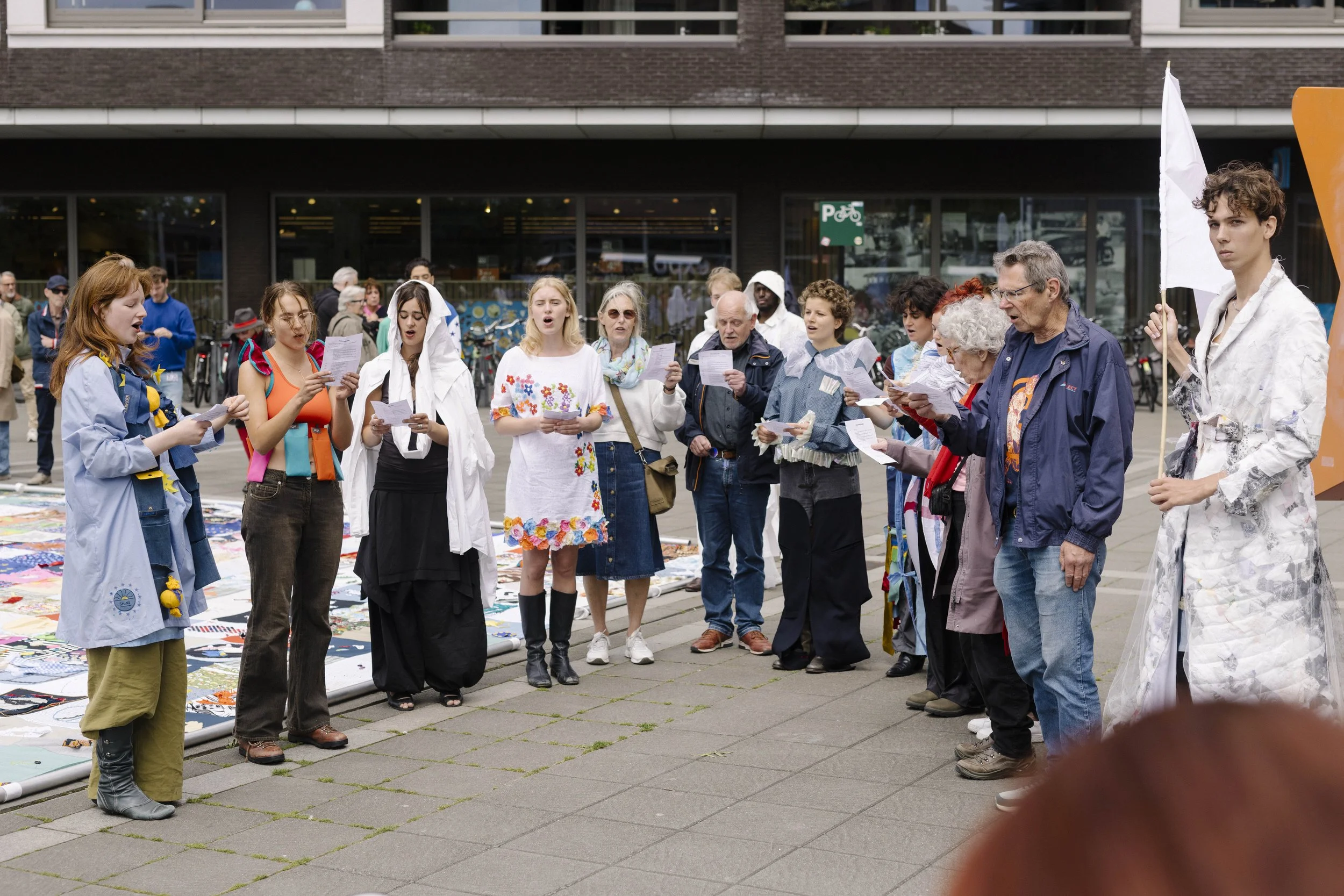
The festive opening featured performances by students from Conservatorium Maastricht and Toneelacademie (Maastricht Academy of Performing Arts), after which the square became a space for creativity, participation, and community throughout the afternoon. A special highlight was the participatory choir performance ‘Heart Song of Democracy’ by theatre maker and eco-artist Floor Burdack. Visitors were invited to join their voices together in a newly written version of the European anthem, creating a collective expression of connection and hope.
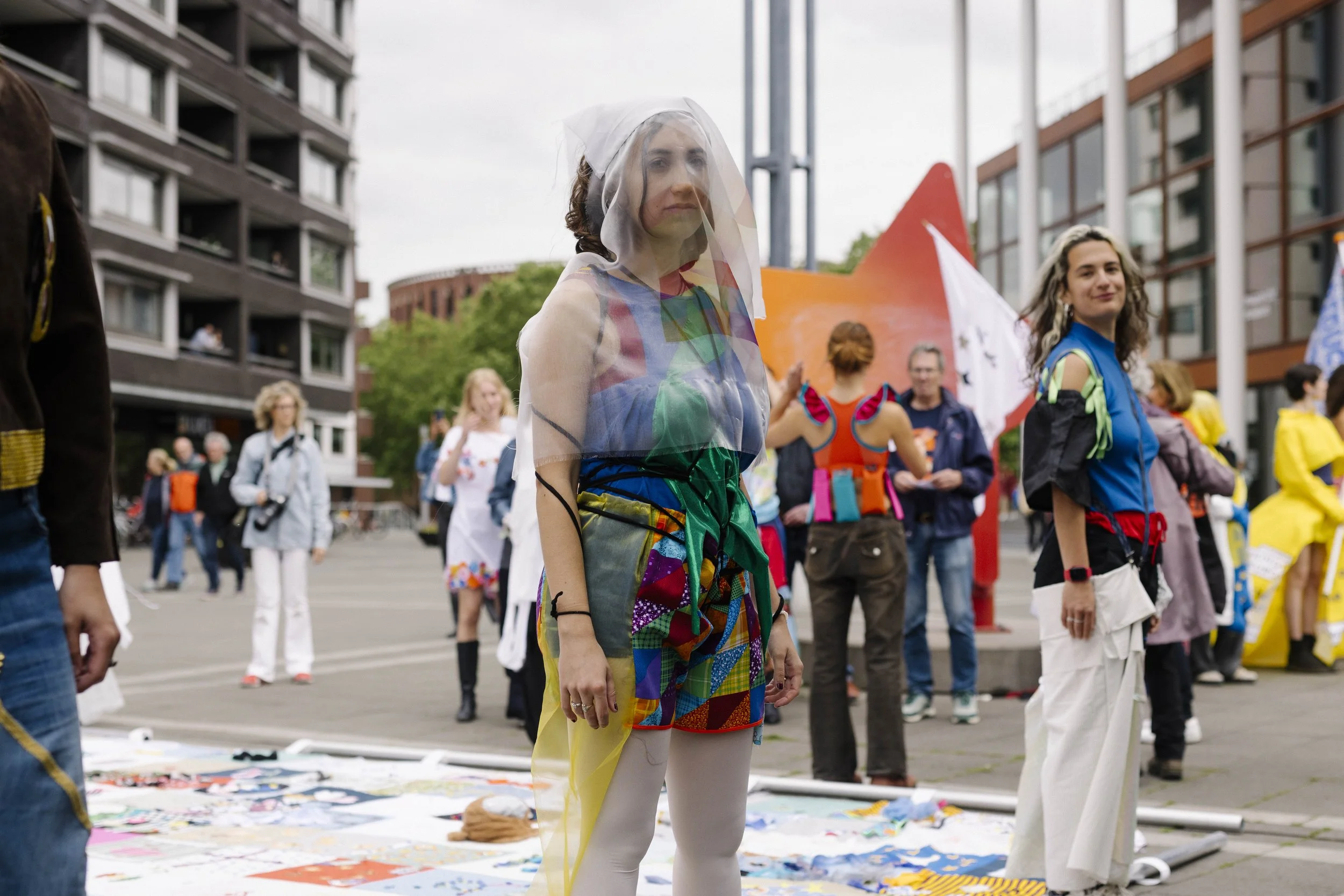
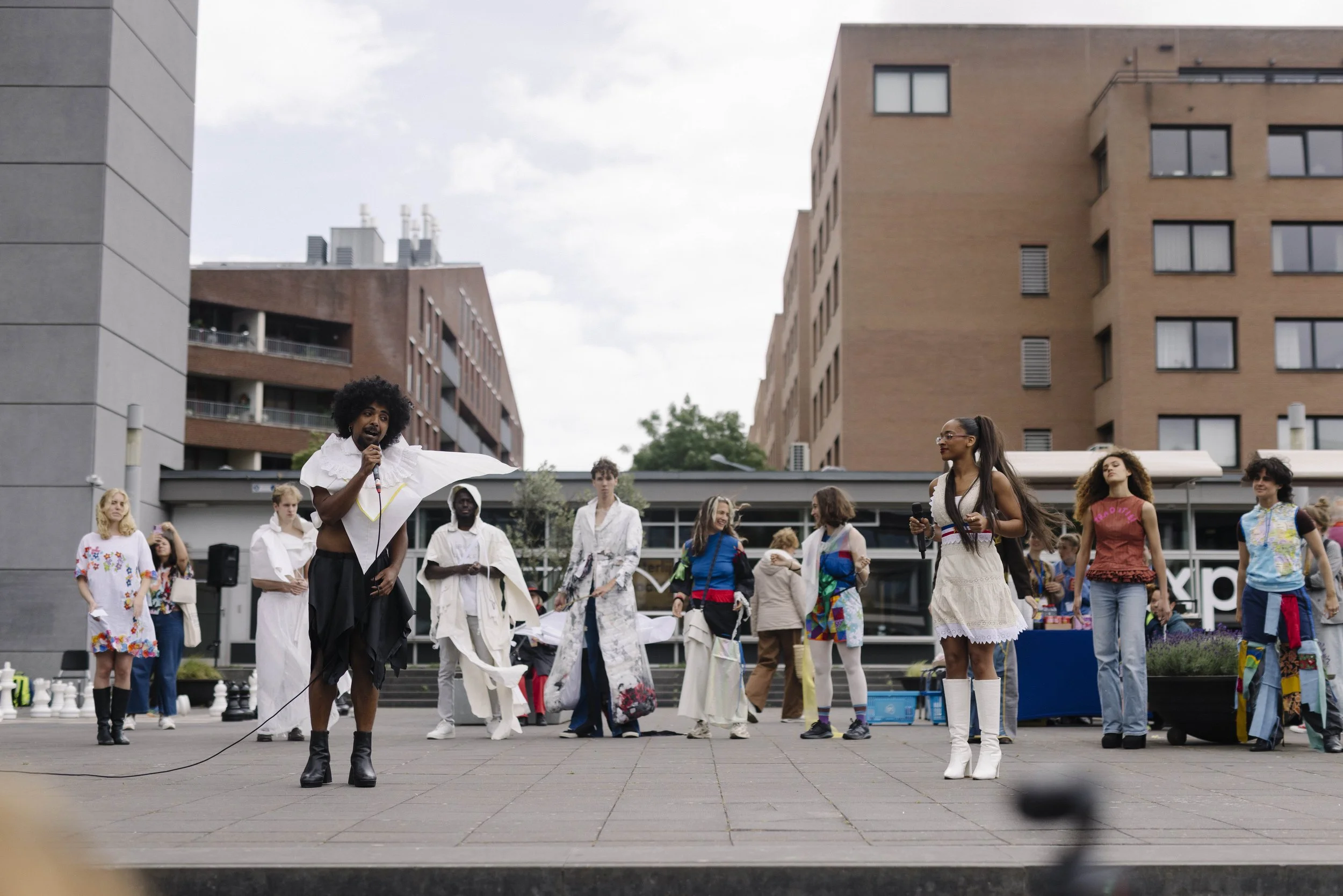
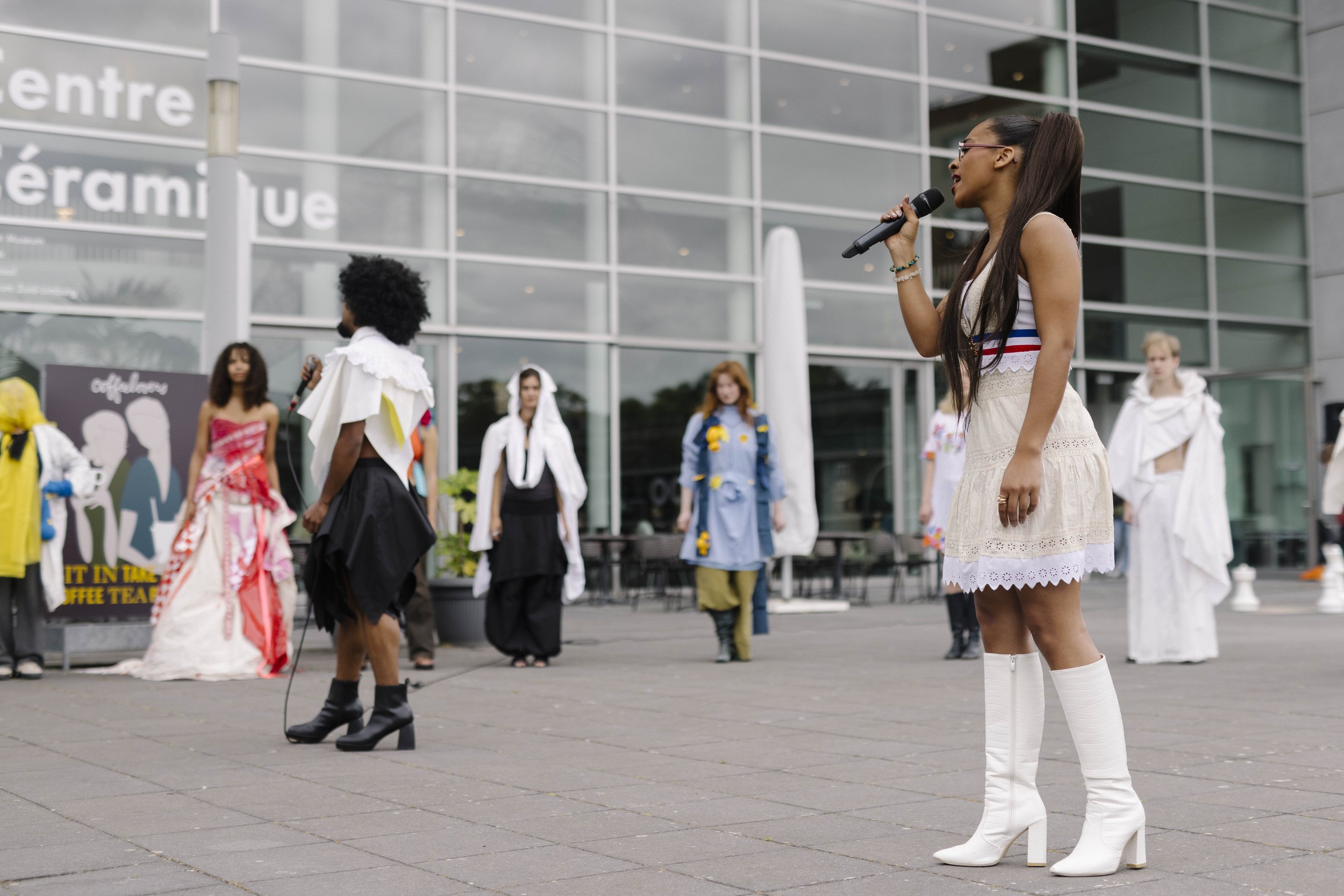
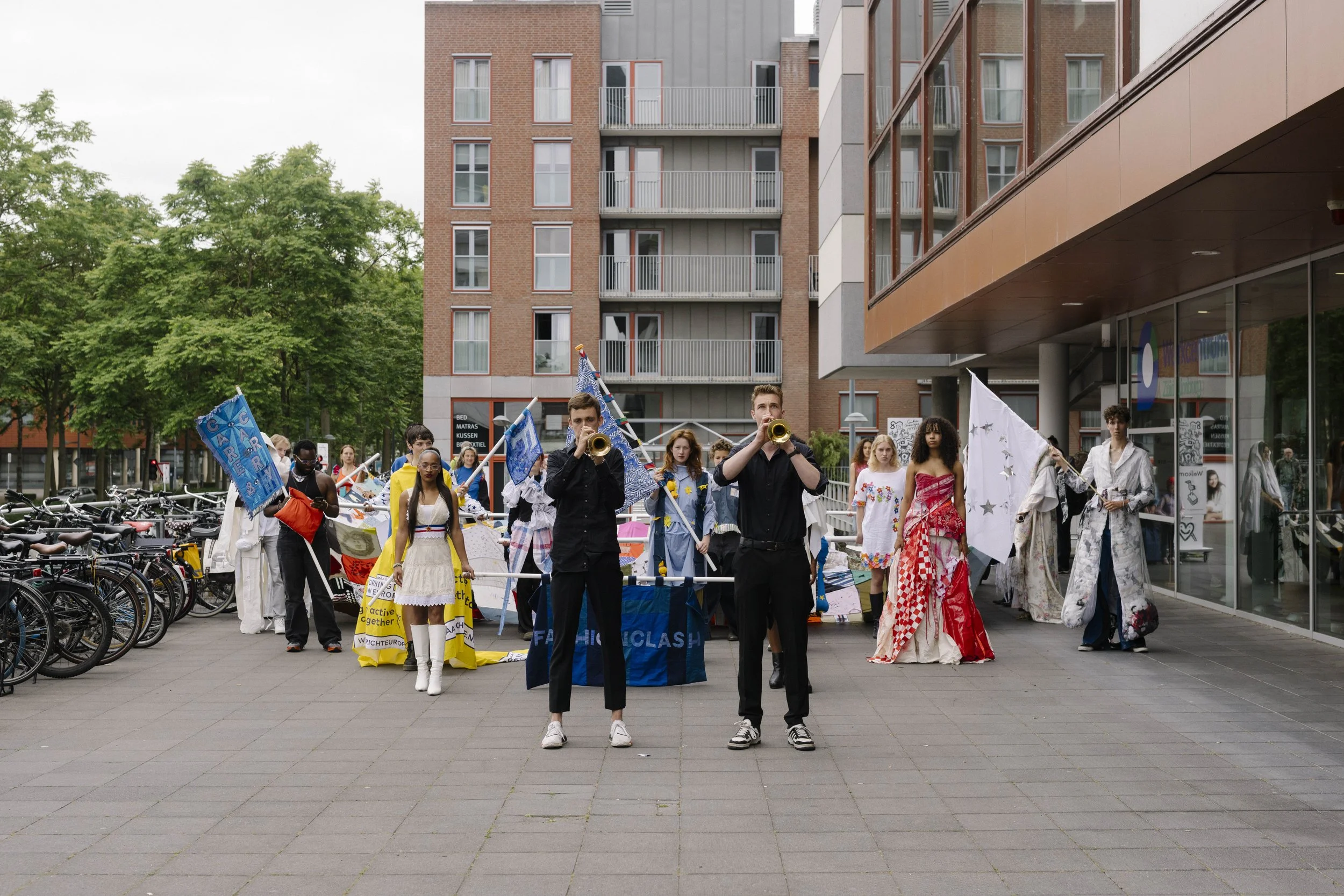
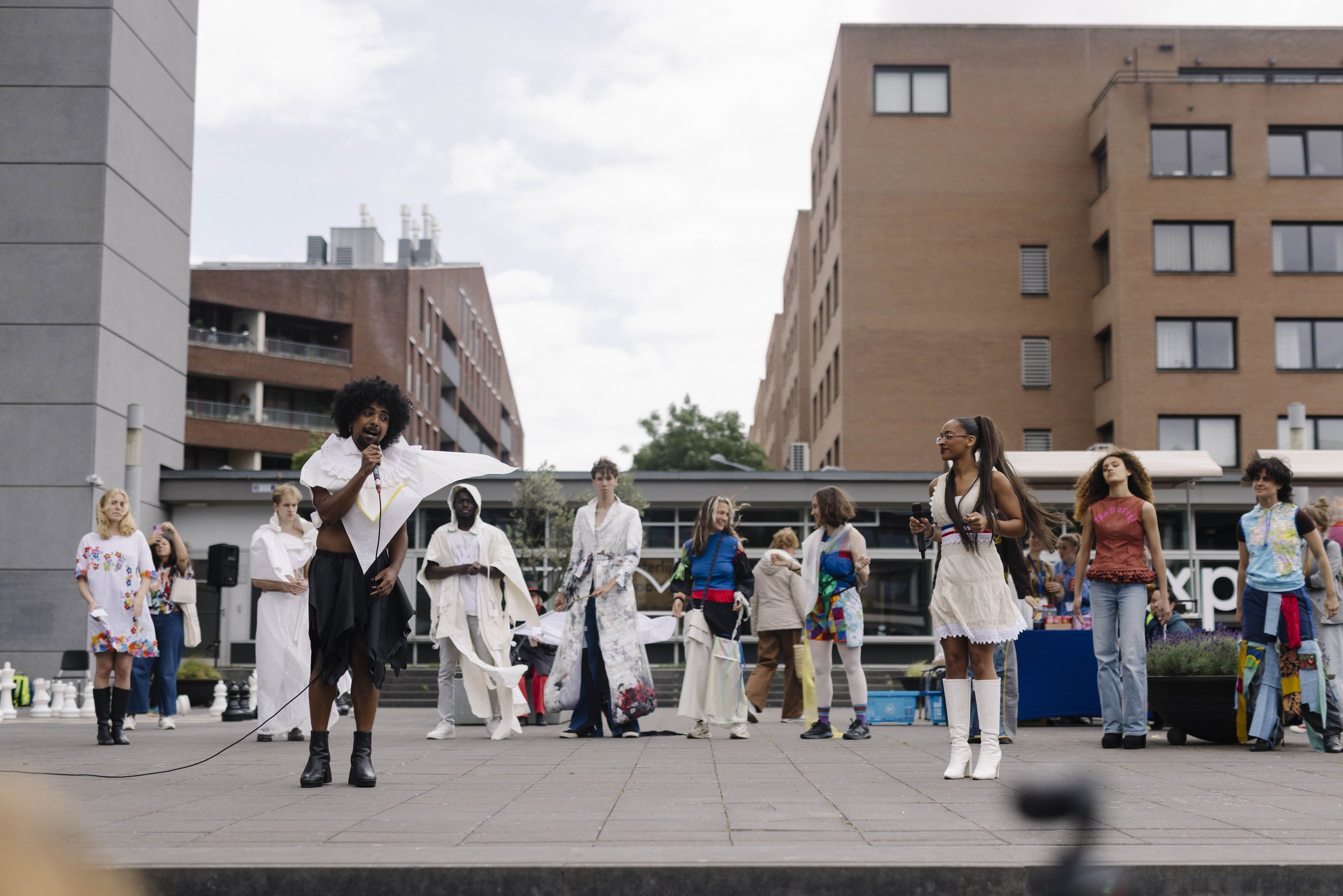
Fashion also played an important role in the programme. During the performance ‘EUROPE BUT FASHION’, performers from the Maastricht Academy of Performing Arts presented creations inspired by the theme of Europe. The fashion show demonstrated how clothing and textiles can serve as carriers of identity, storytelling, and social reflection.
Performers: Nona Schenk, Jojo Risamasu, David Sabelis, Rens den Braber, Nora Jane Klimsop, Minne de Boer, Laisy de Andrade Rodrigues, Noah Ronde, Ruchir Kathusing, Olivia Gubenko, Othmane El Fardani and Lamin Jawala.
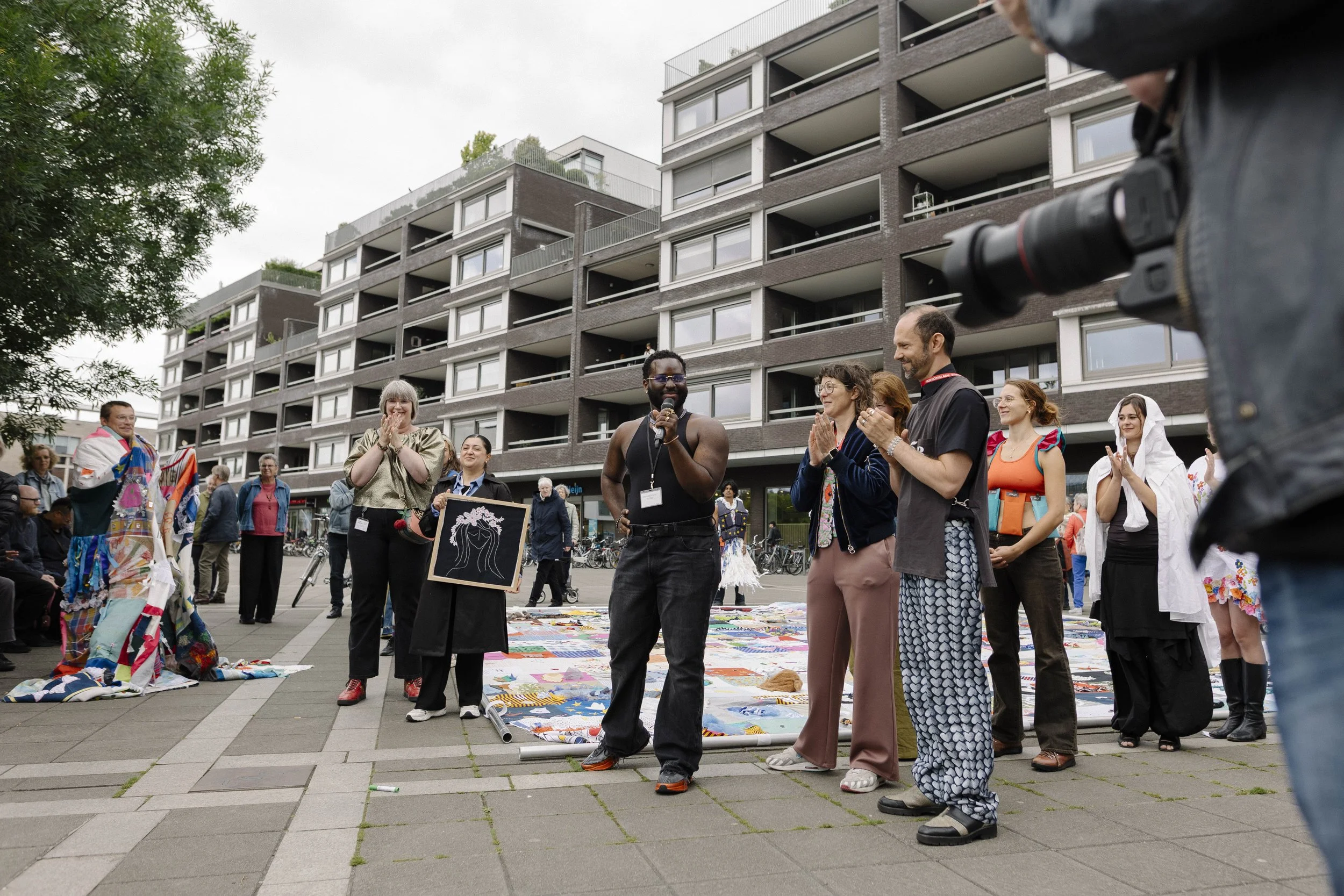
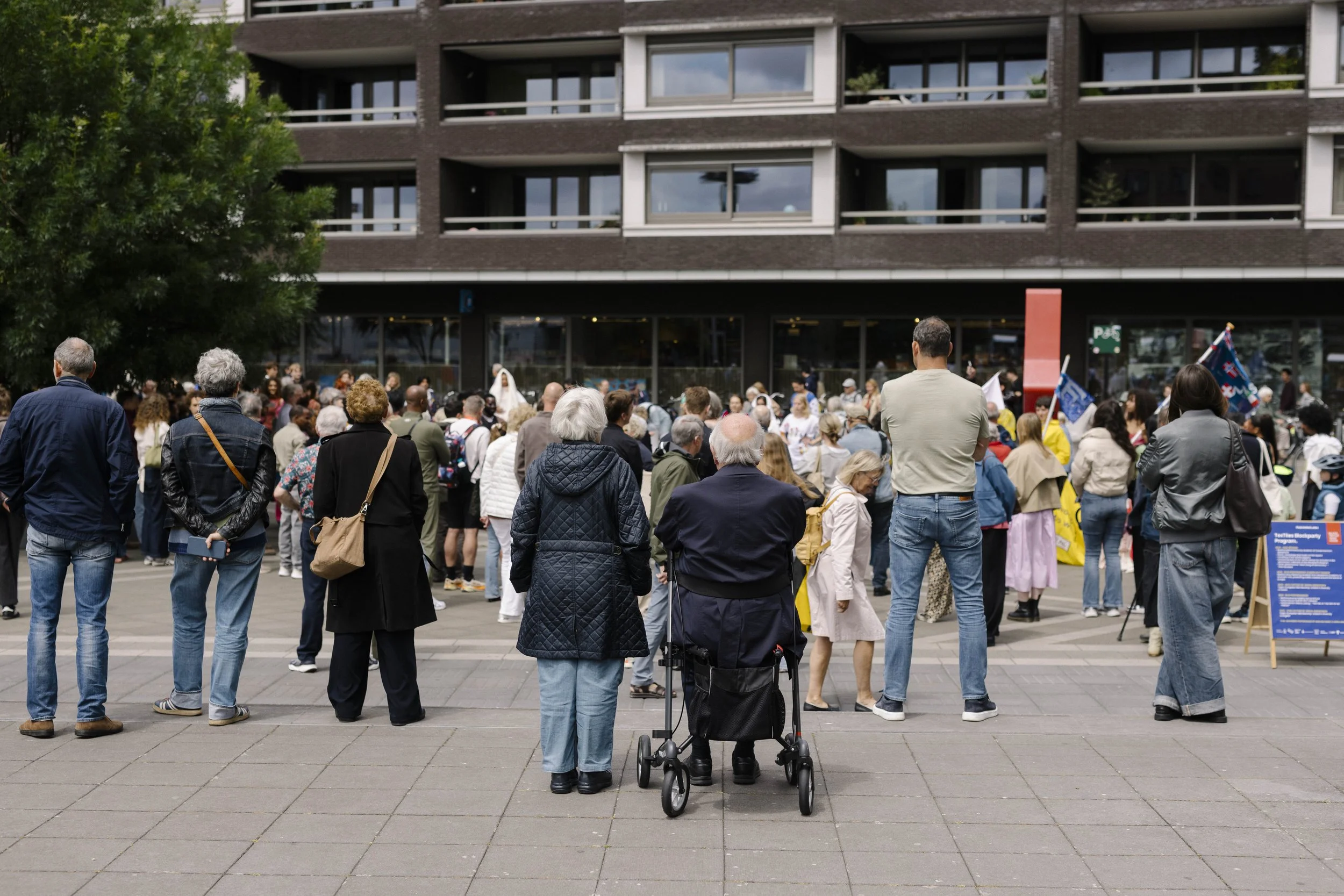
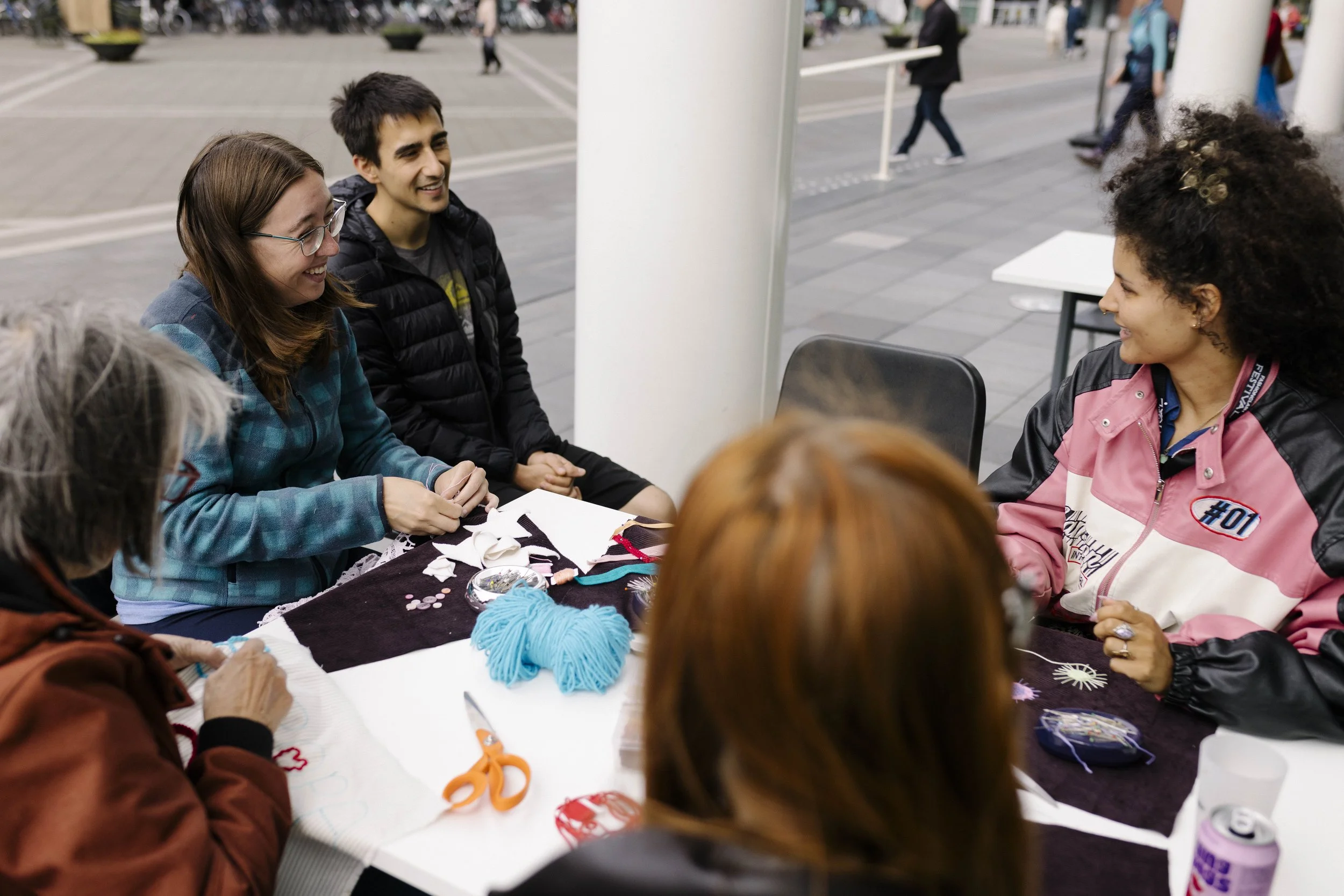
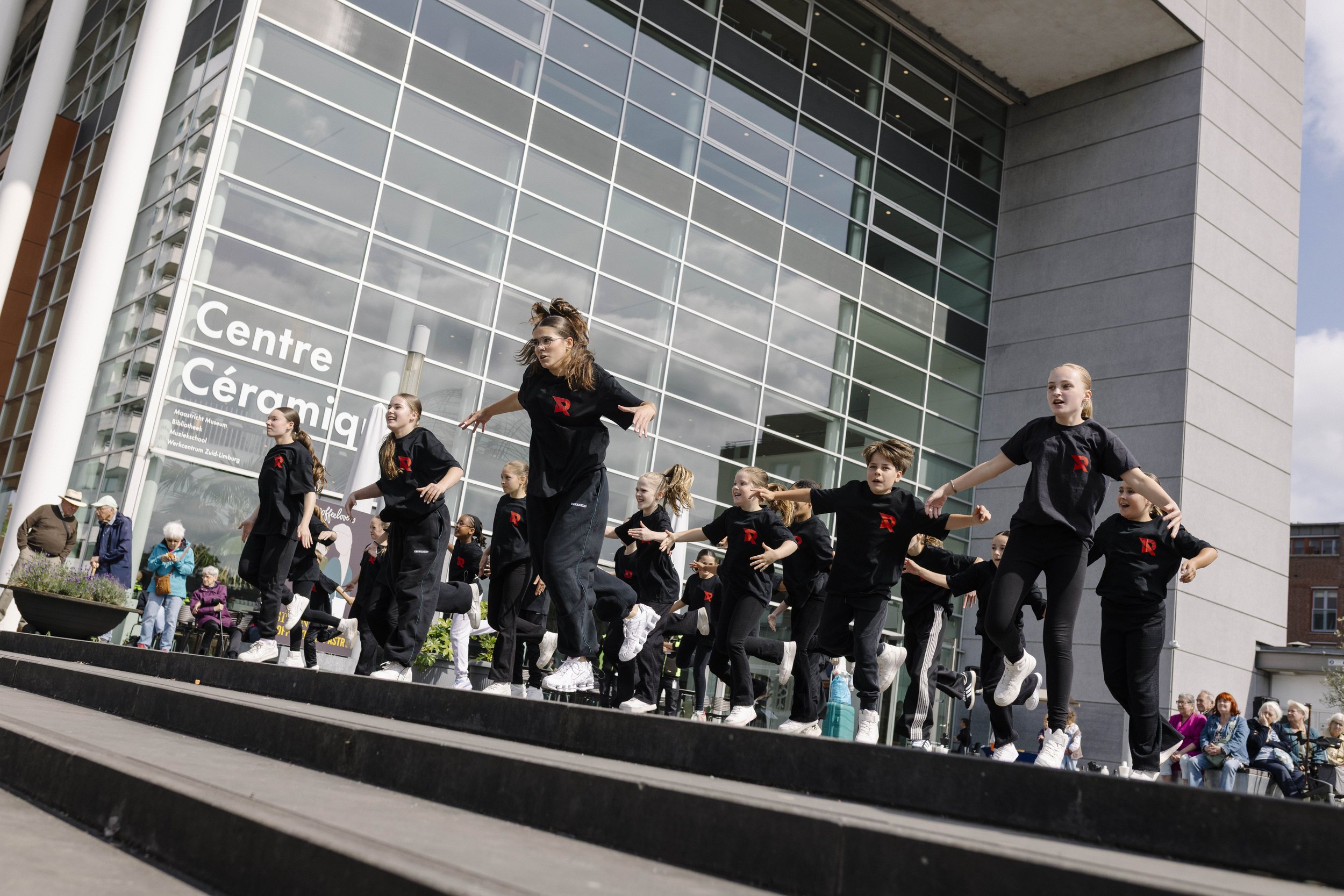
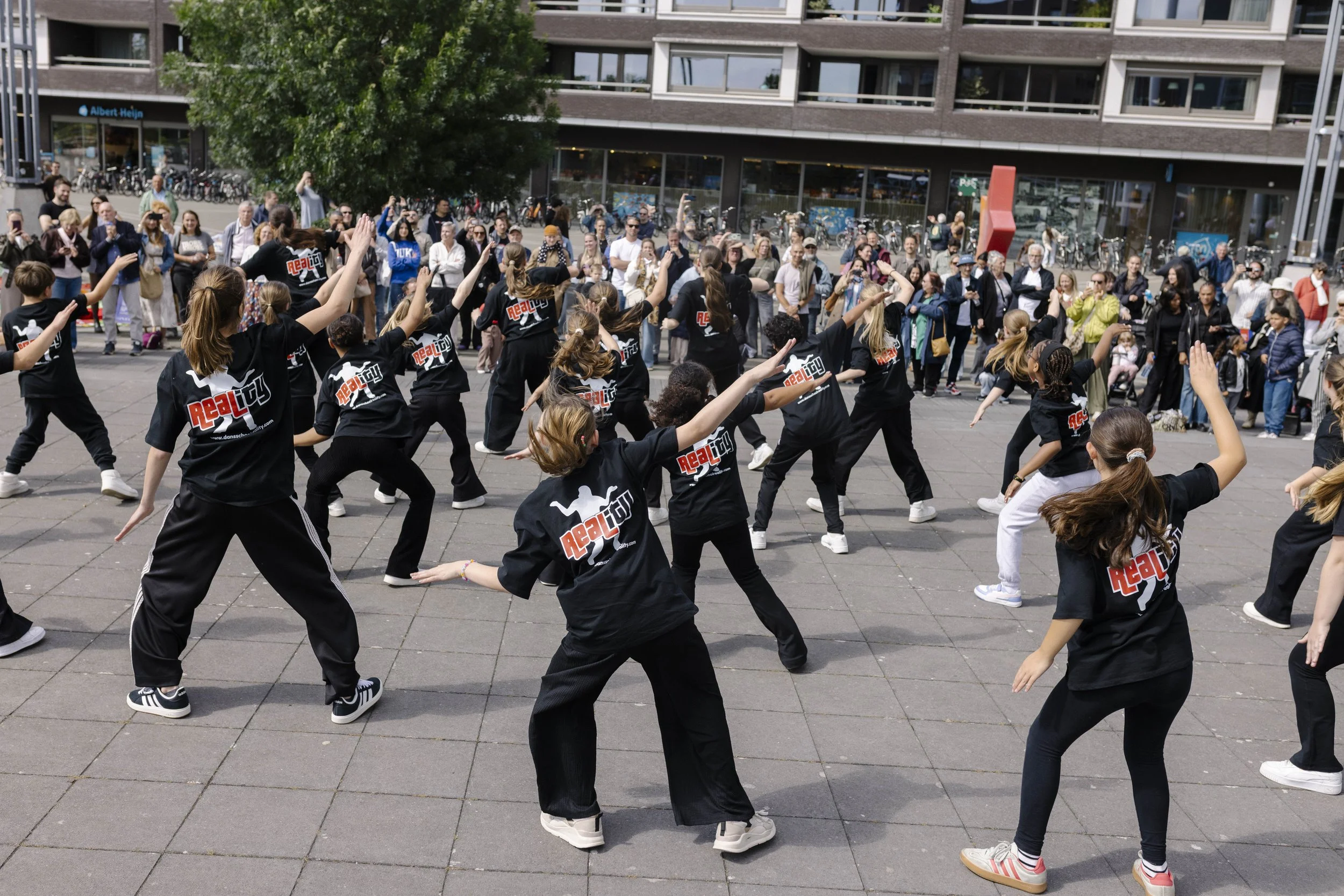
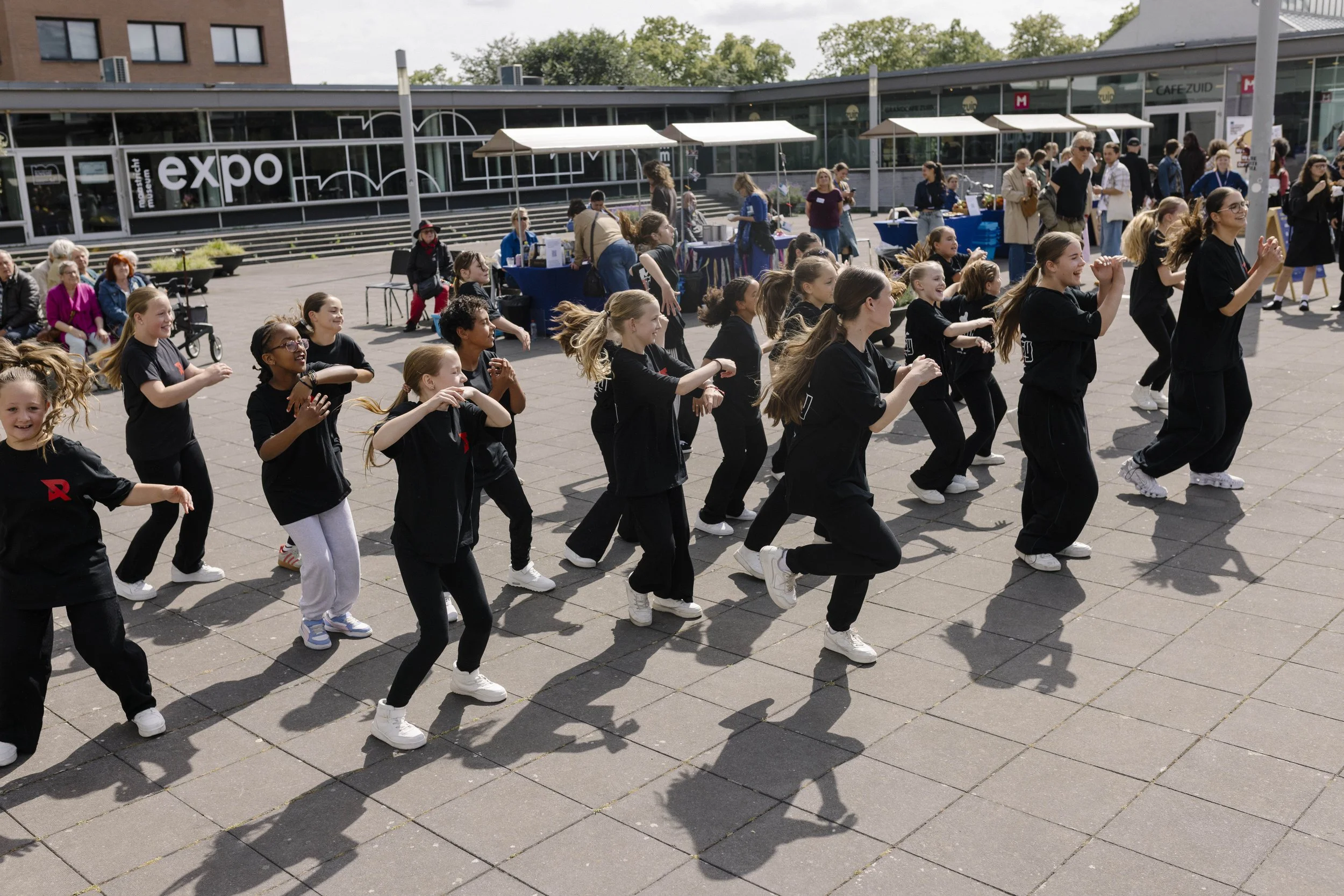
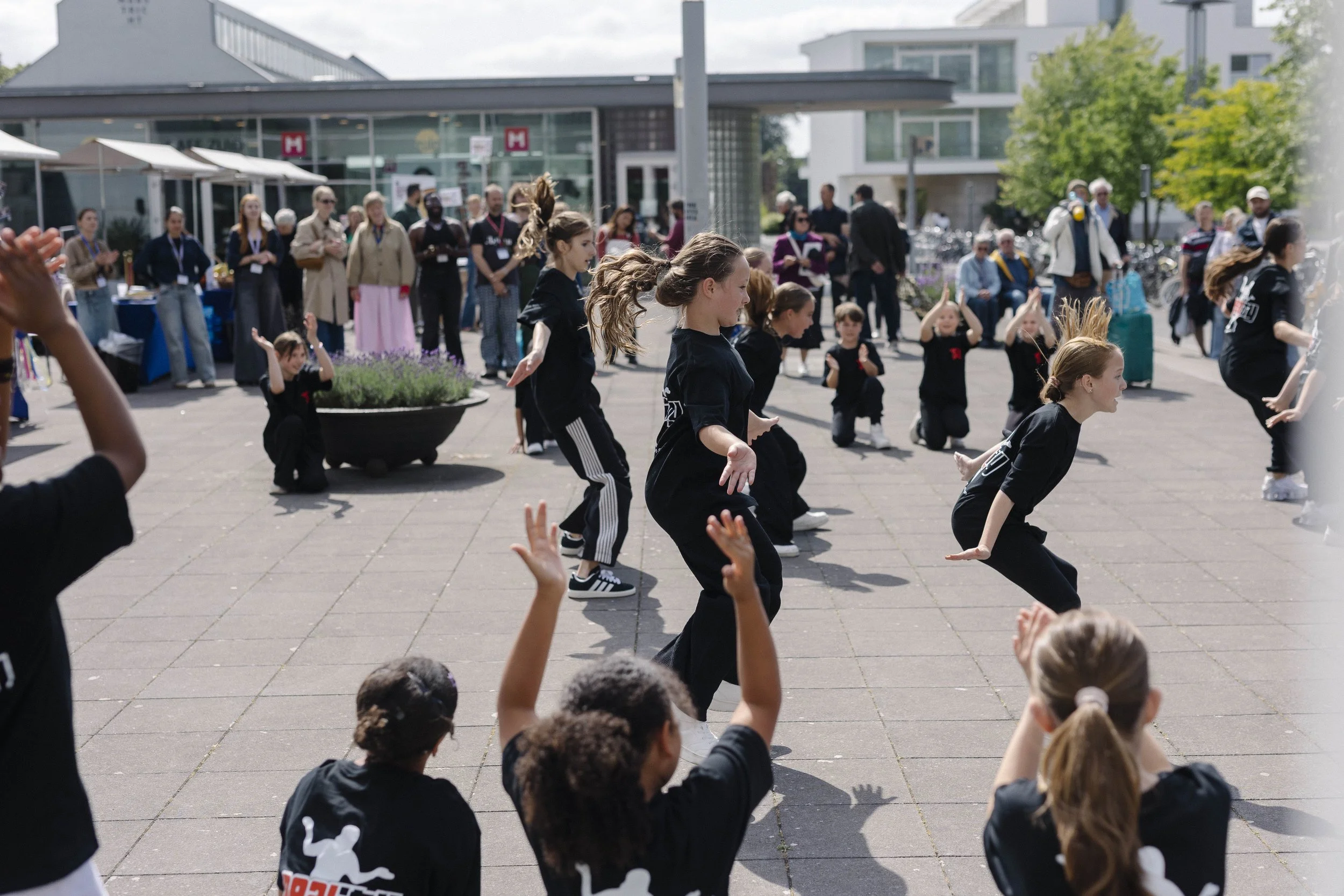
Throughout the afternoon, visitors were invited to participate in workshops, enjoy live music, and experience a variety of artistic contributions. Dance school Reality presented an energetic choreography in which talent, collaboration, and expression took centre stage.
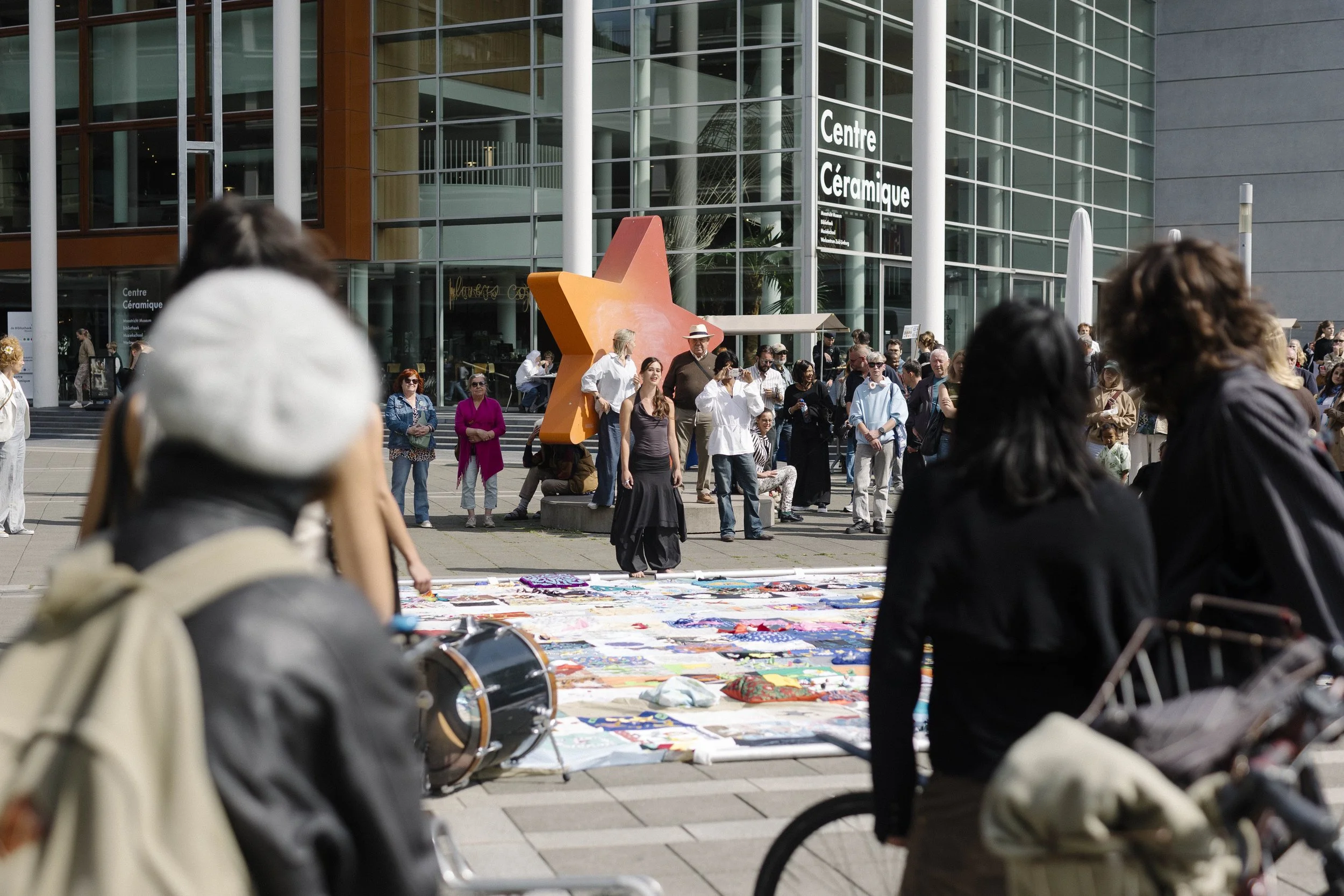
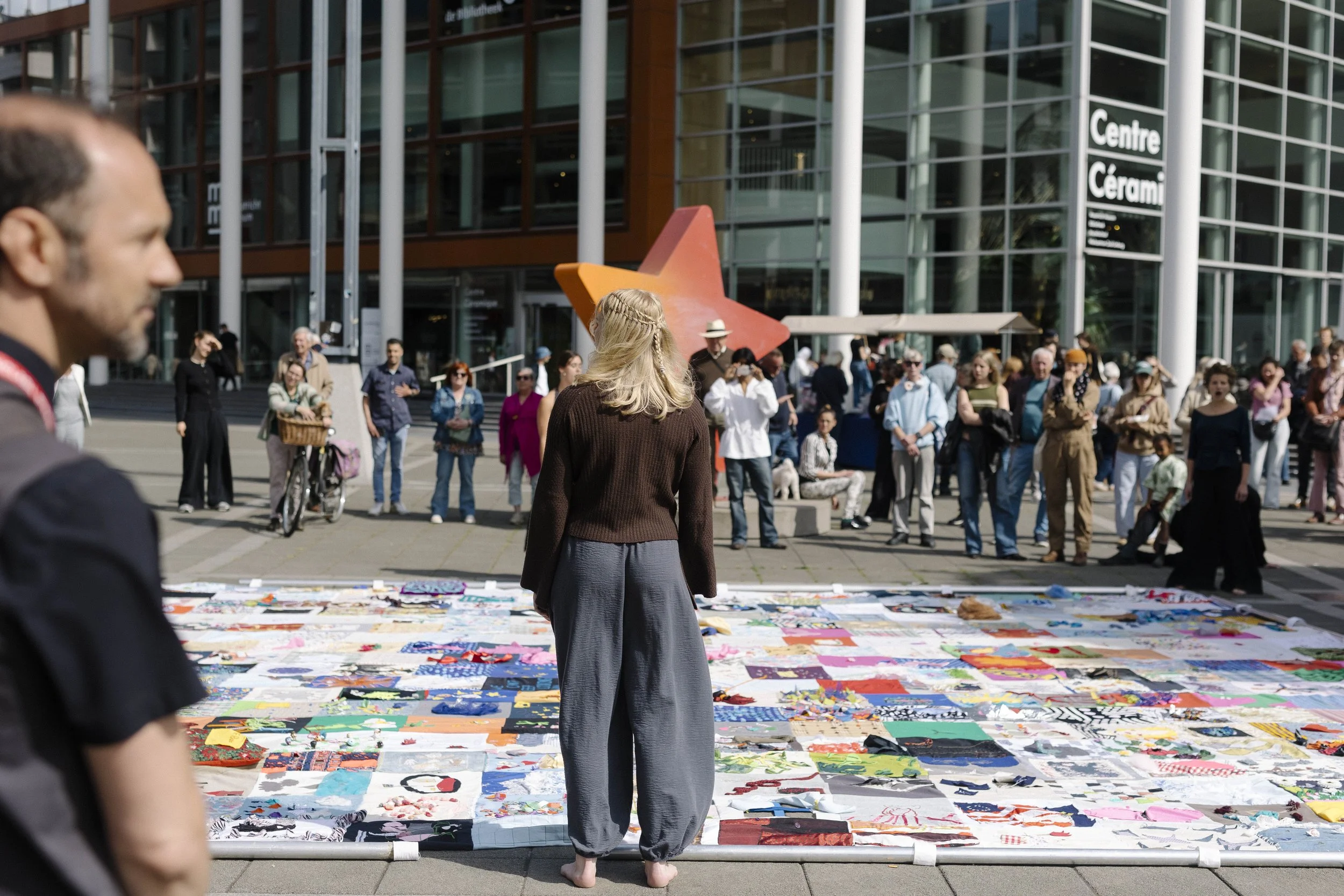
One of the most powerful moments of the day was ‘THE FIRE AT THE END OF MY THROAT’ by multidisciplinary artist Valerie Ludwig. In this ritual choral performance, moving through anger, grief, and resistance, Ludwig explored how the female voice and the female body can become spaces for collective healing and resistance. Together with performers Lois Vecchi, Lola de Jong, Ernanda Brandt, Carice Boelm, and Bloem van Landhuyt, she presented a layered work in which voice, movement, and ritual converged. Rooted in Ludwig’s artistic practice at the intersection of performance, socio-political protest, and feminist art, the work examined how the body carries both memories of oppression and possibilities for transformation and liberation. The performance left a profound impression on the audience and stood out as a powerful artistic statement within the TexTiles BlockParty programme.
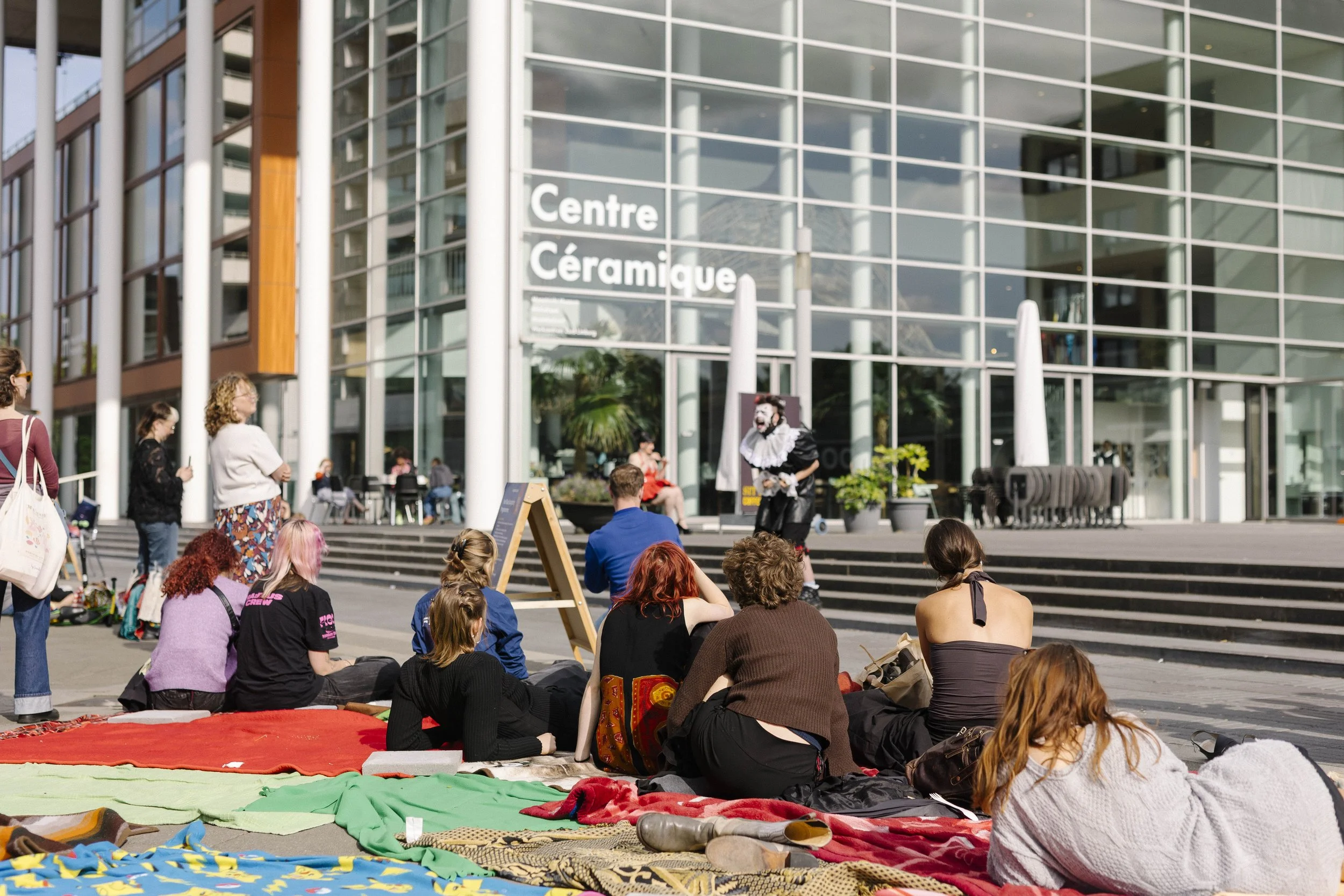
Reflection on the European theme of TexTiles was further explored during the lecture European member{state}ship: united in diversity, organized by partner Studio Europa Maastricht. At Centre Céramique, political scientist Johan Adriaensen guided visitors through the ways in which the European Union functions as a patchwork of national identities. Drawing on his expertise in European integration and EU governance, he discussed both the challenges and opportunities of cooperation within Europe. The lecture provided an important intellectual complement to TexTiles and its creative exploration of European identity.
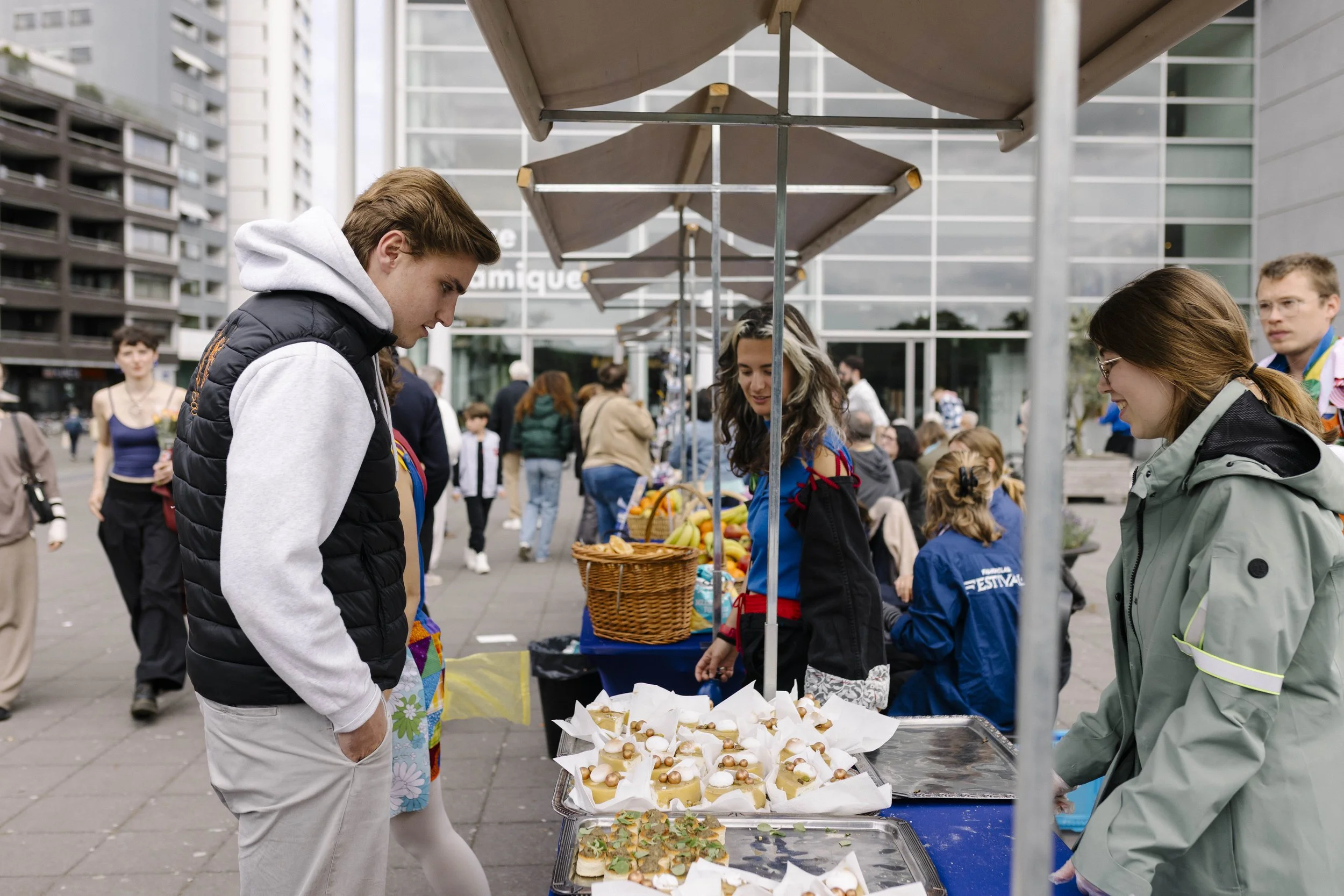
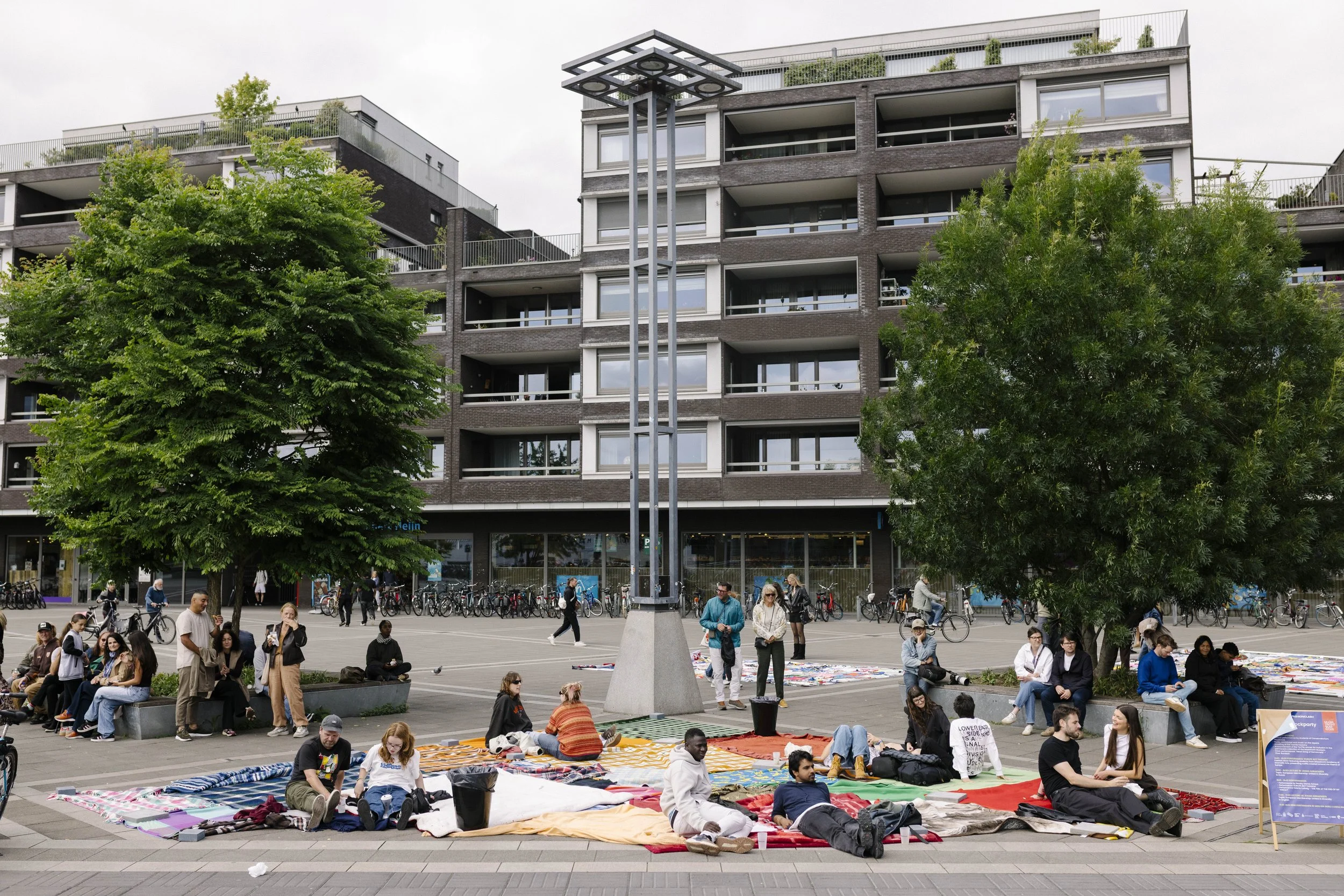
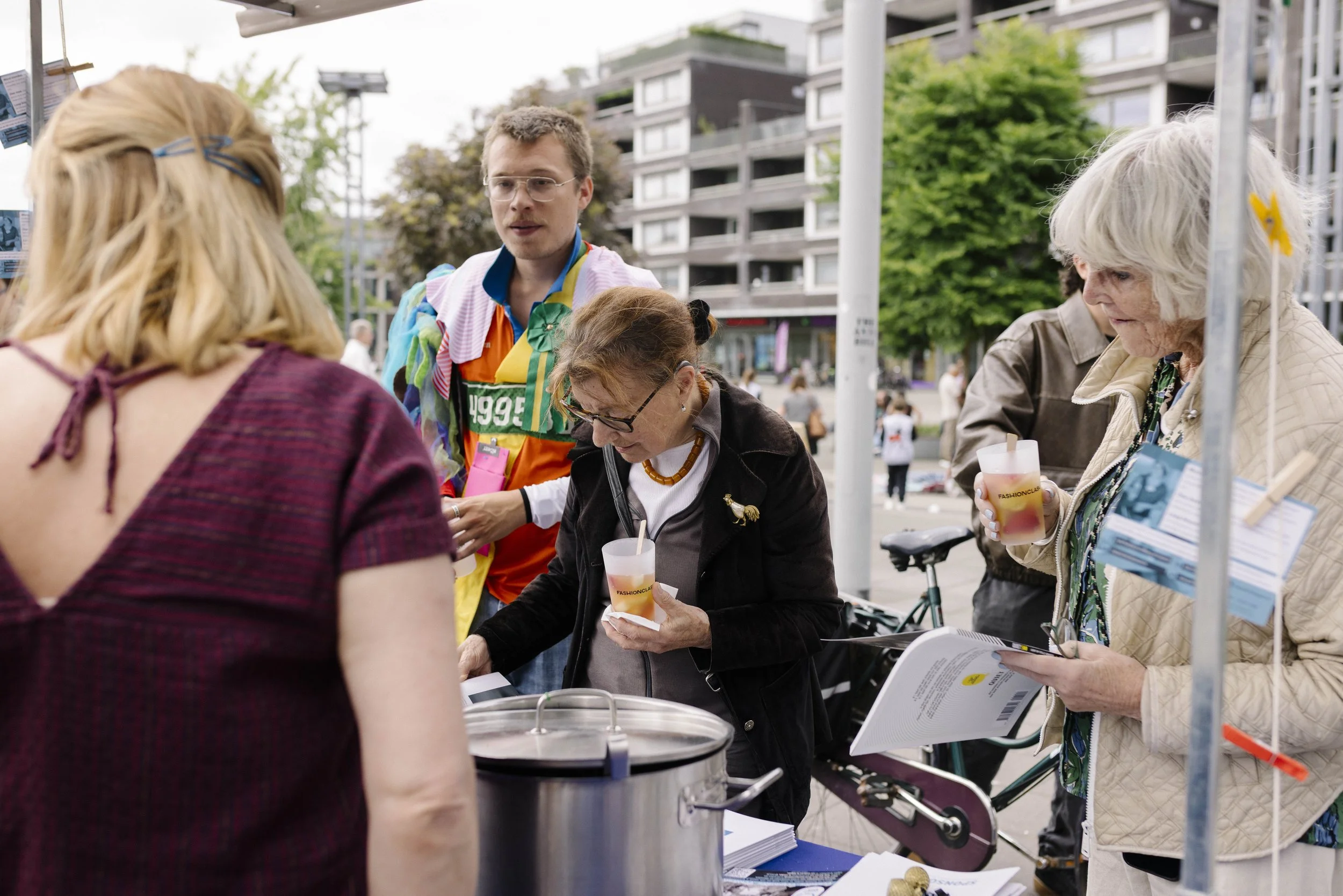
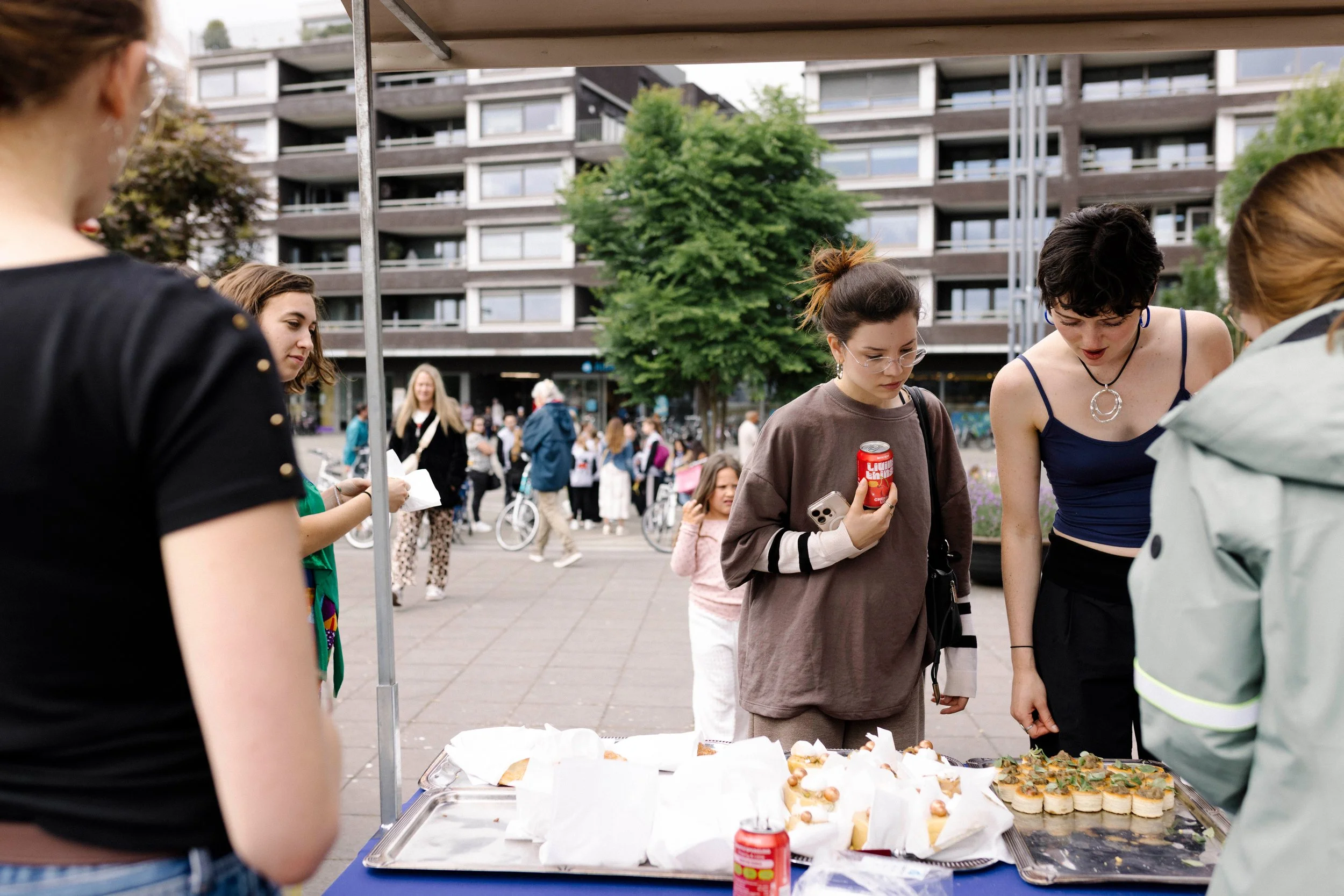
Beyond the artistic programme, the BlockParty offered opportunity for social connection. During a communal picnic, participants, visitors, and partners gathered to meet one another and exchange experiences. Food and drinks were made possible thanks to the generous support of Living Things, Voedselbank Maastricht, Albert Heijn, Townhouse Hotels and The Social Hub.
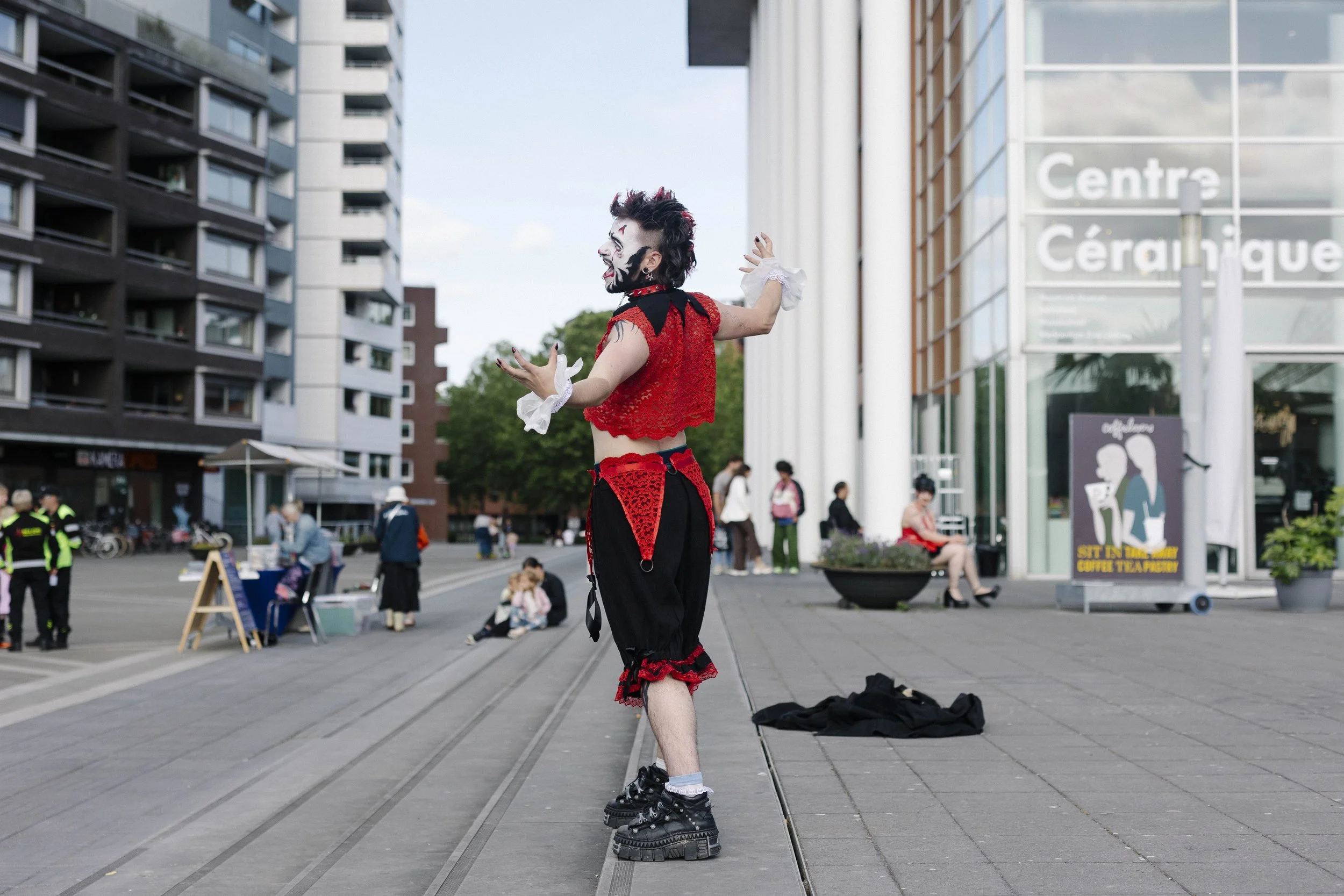
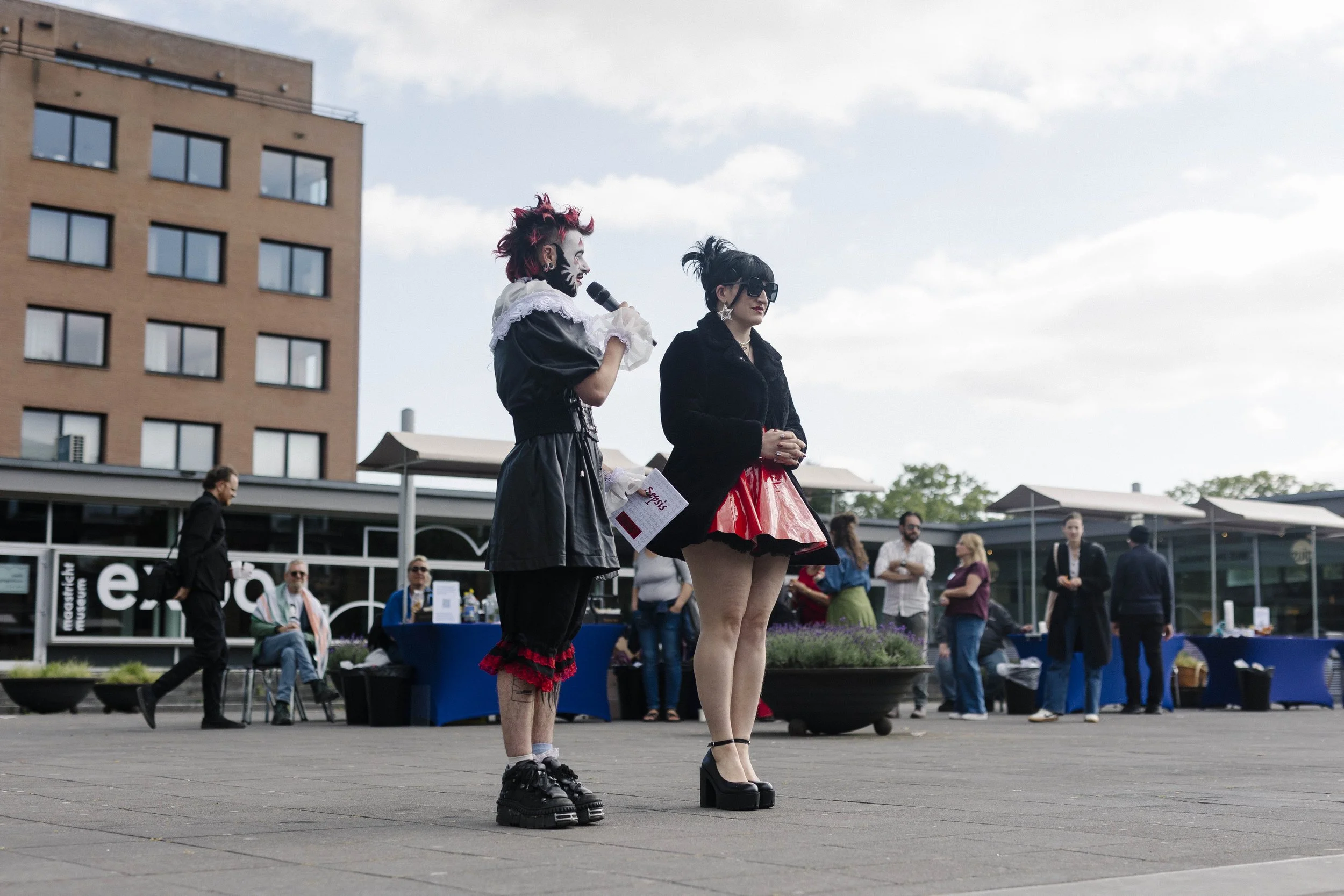
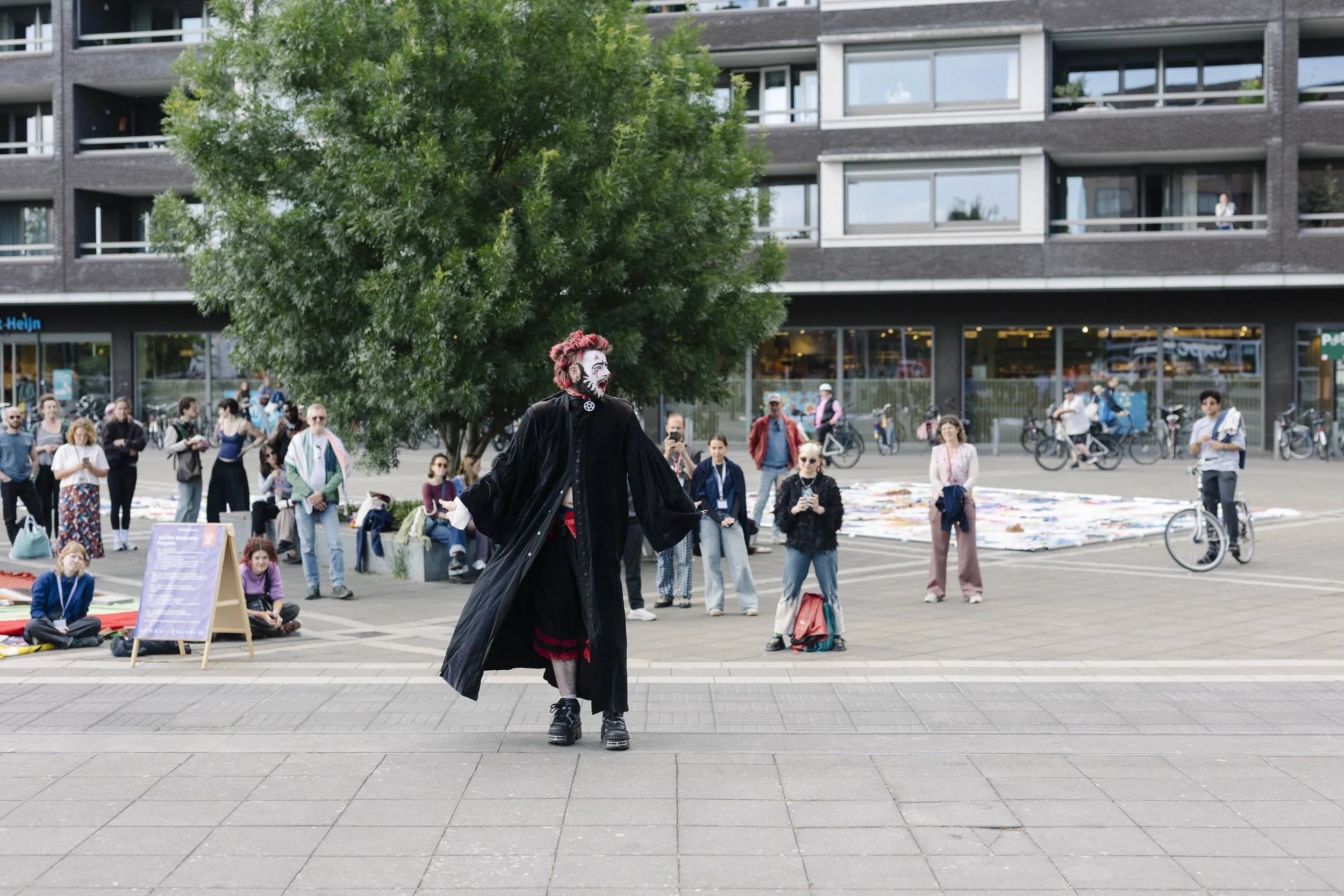
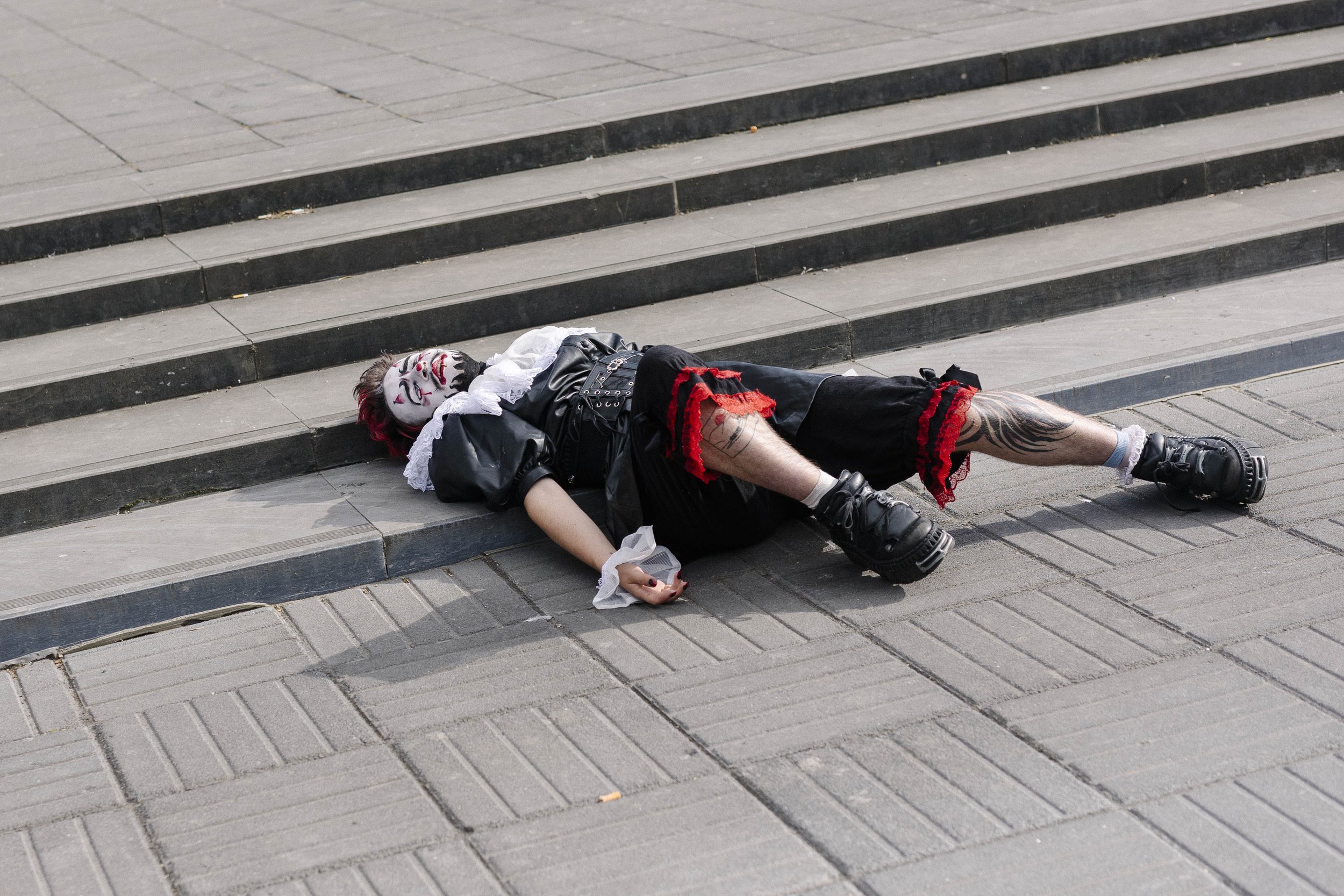
The afternoon concluded with a festive drag performance by Its Rusty Knife and Punny Drag Name. Their energetic and colourful performance provided a fitting finale to a day dedicated to diversity, inclusion, creativity, and community spirit.
TexTiles is an initiative by FASHIONCLASH and is realized in collaboration with Centre Céramique, Studio Europa Maastricht, Quiet Community, COA Maastricht, Trajekt, @ease, the Limburgs Museum, educational institutions, and various social and cultural organizations. The project is part of Maastricht Year 2026 and offers a contemporary reflection on the values of connection, diversity, and cooperation.
Although the artwork was fully unveiled for the first time on June 7, the BlockParty does not mark the end of TexTiles. The collective textile artwork will continue to grow over the coming years through new contributions from participants in Maastricht, across the Netherlands, and beyond. In this way, TexTiles will continue to evolve as a living artwork in which an ever-growing collection of stories, perspectives, and communities come together.
TexTiles is made possible with the support of Gemeente Maastricht, Stimuleringsfonds Creatieve Industrie, Fonds voor Cultuurparticipatie, Provincie Limburg, Centre Céramique, Quiet Community, Trajekt, COA Maastricht, Limburgs Museum, Studio Europa, Textiel Innovatie Maastricht, Kunstacademie Maastricht, and the many individual participants involved in the project.