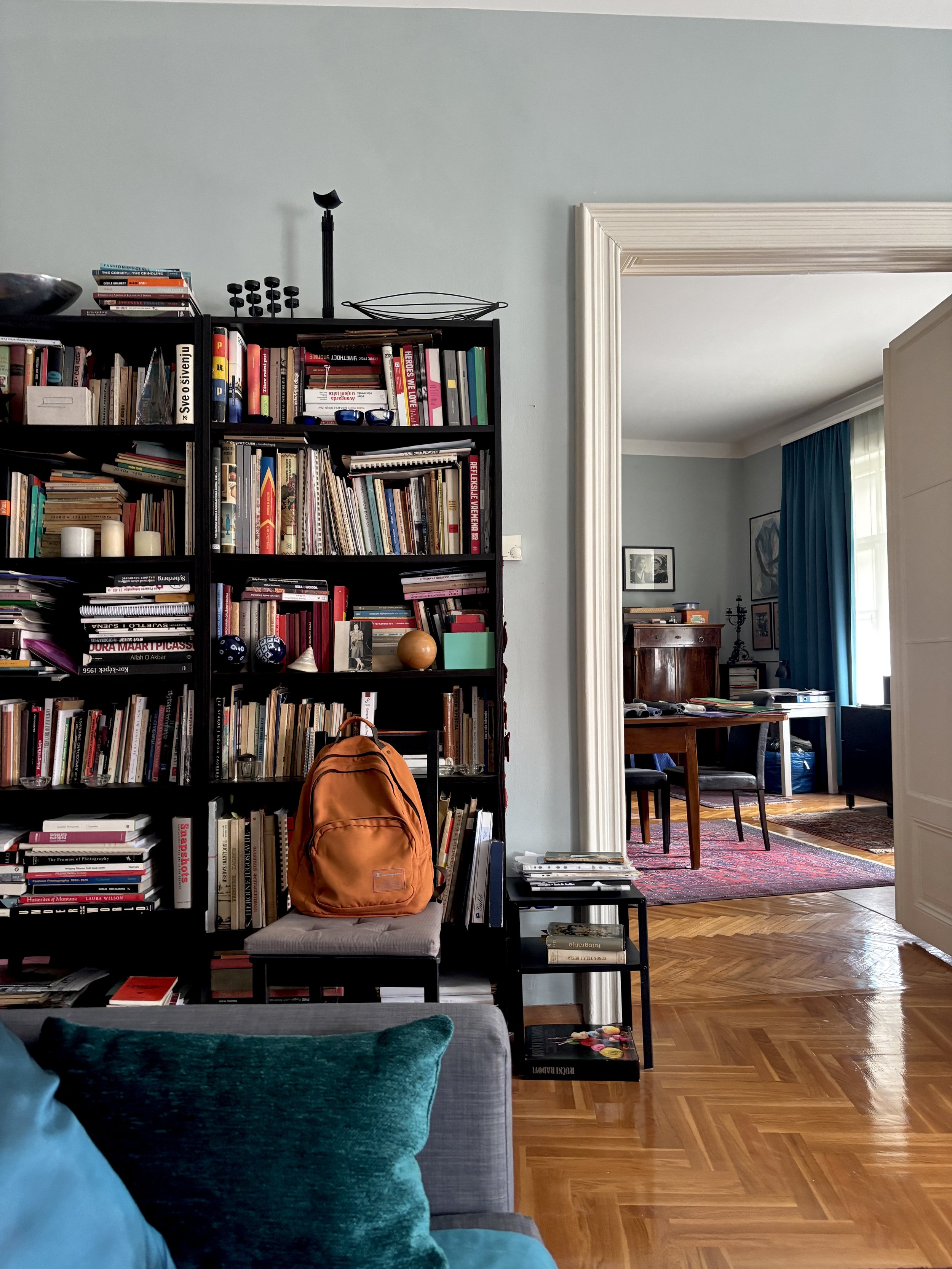
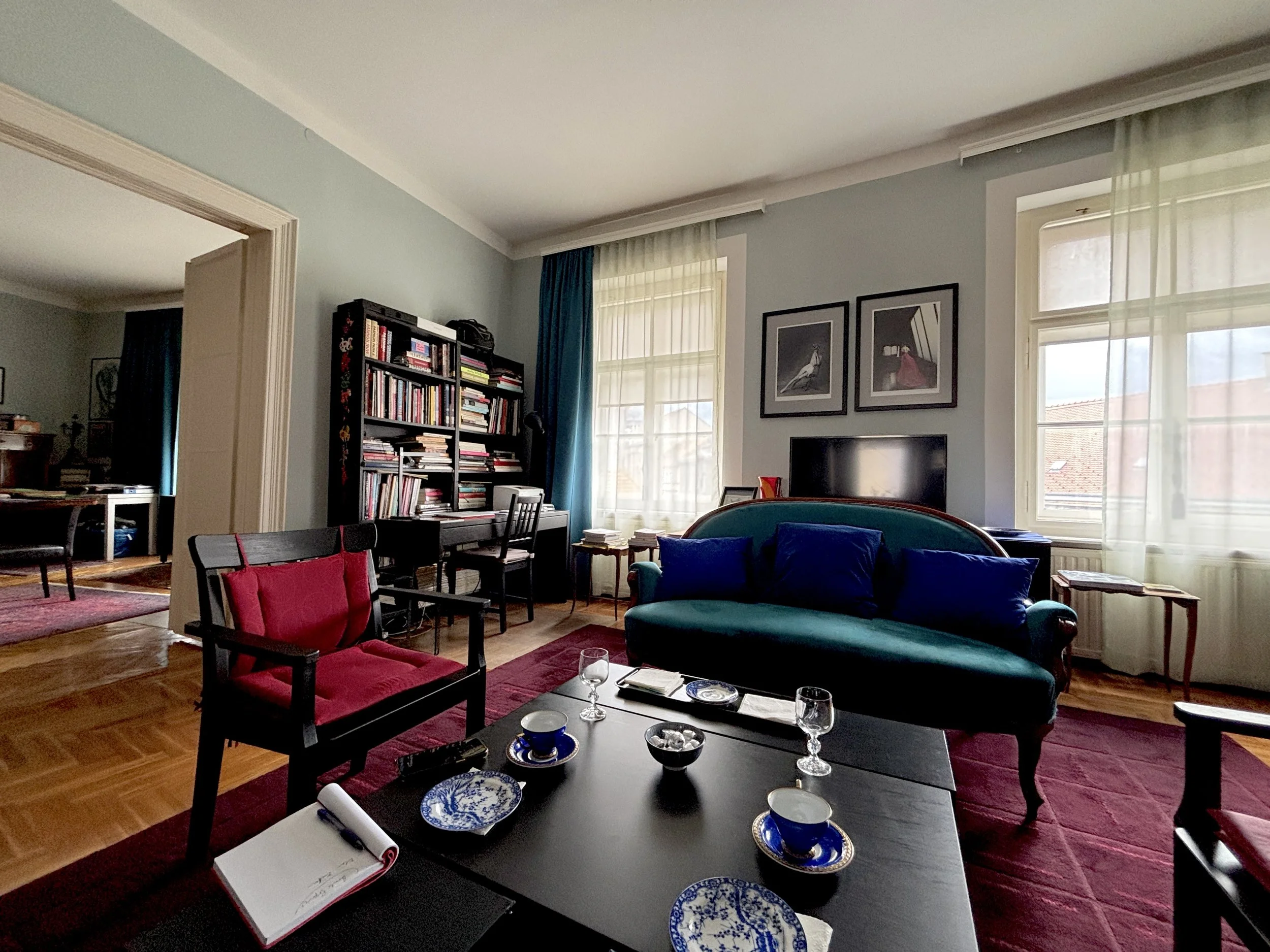
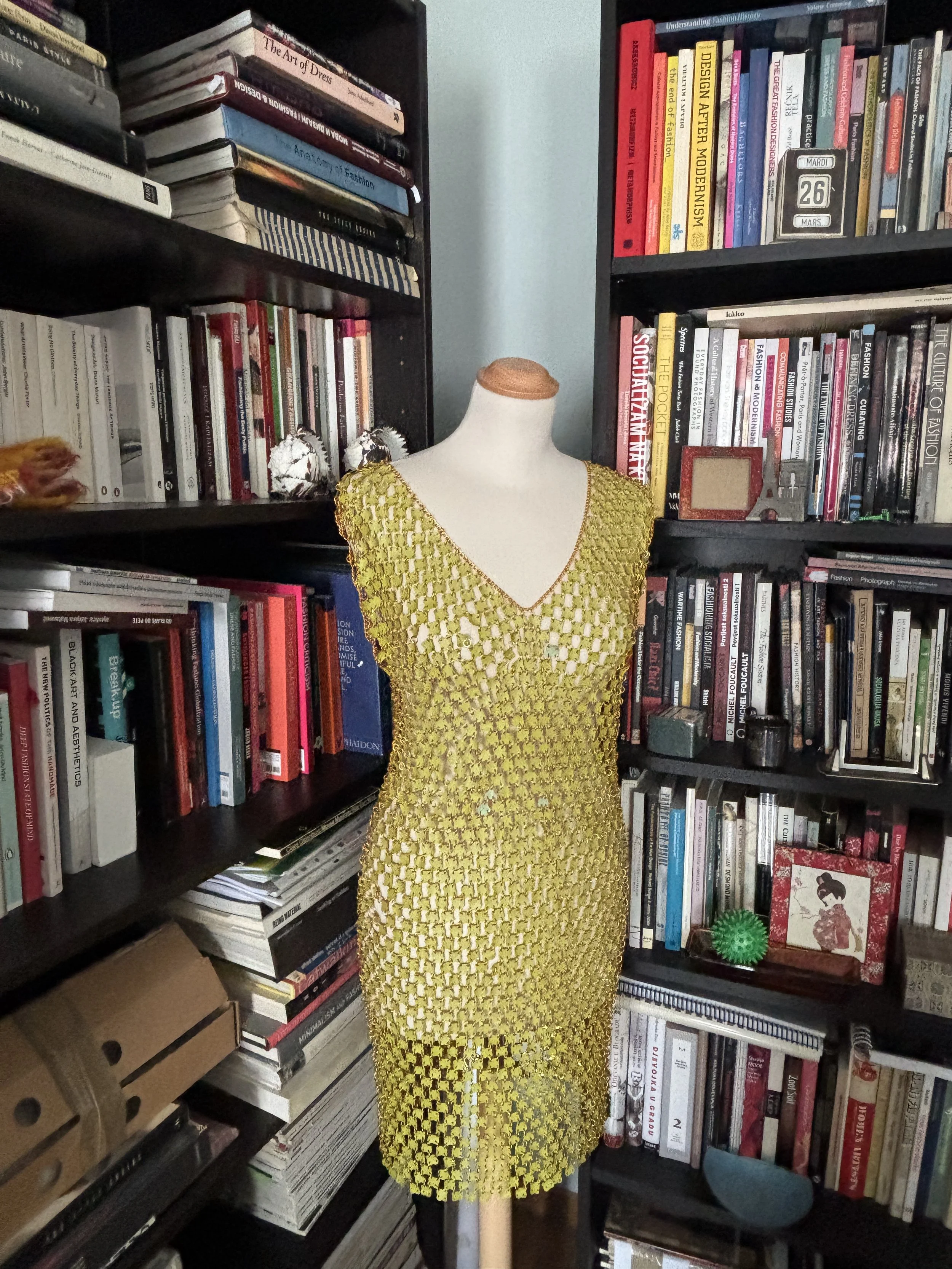
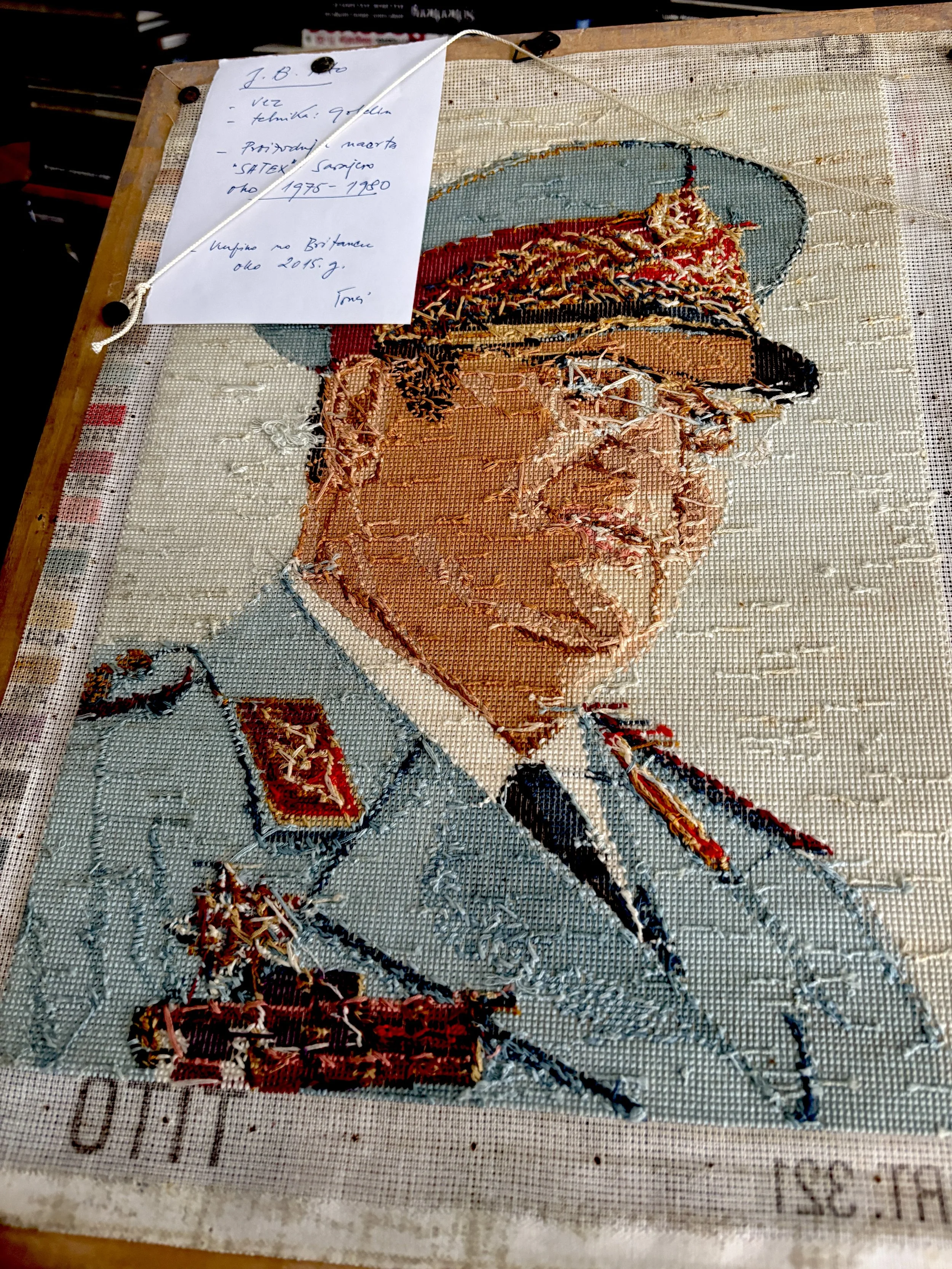
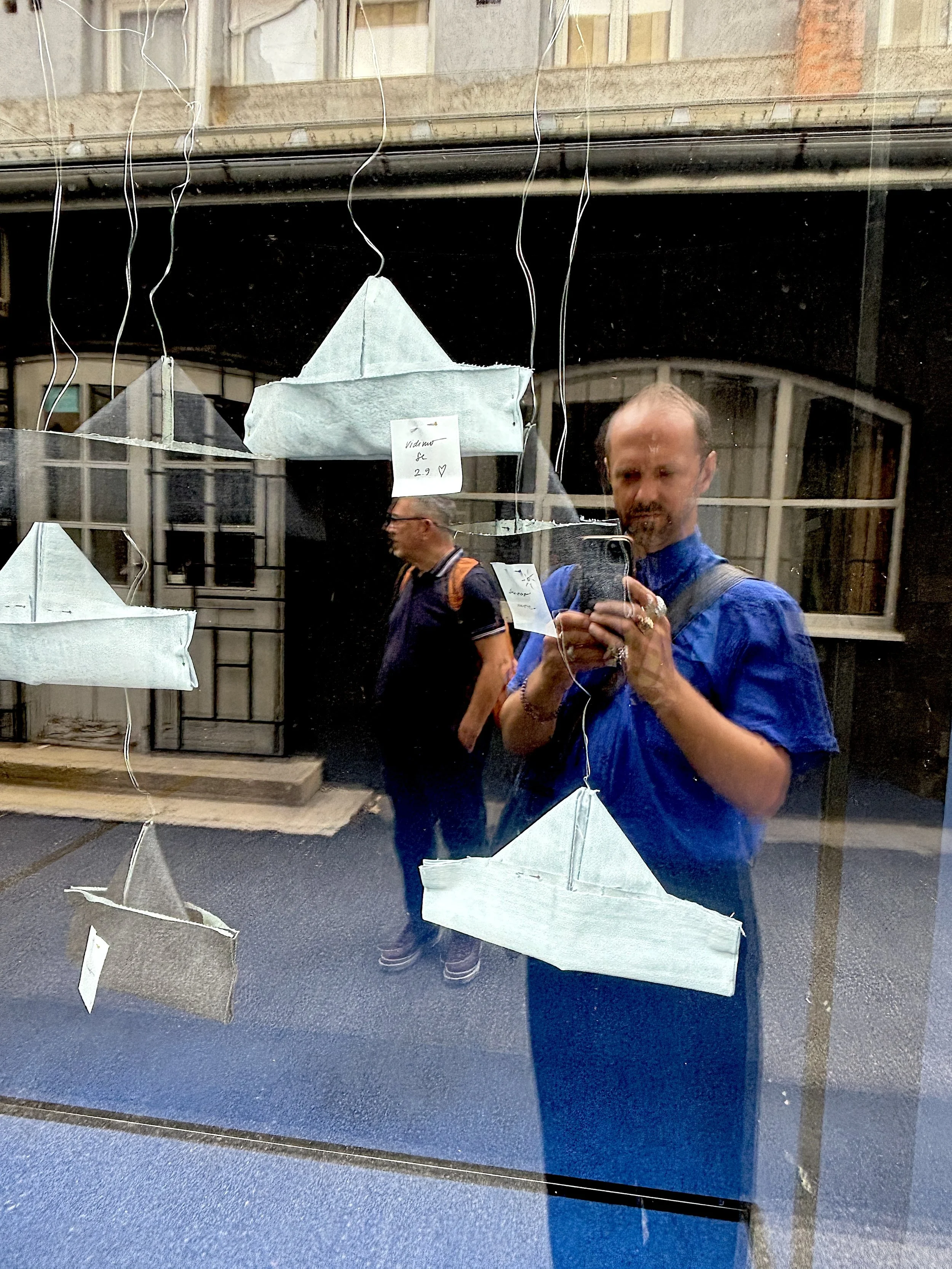
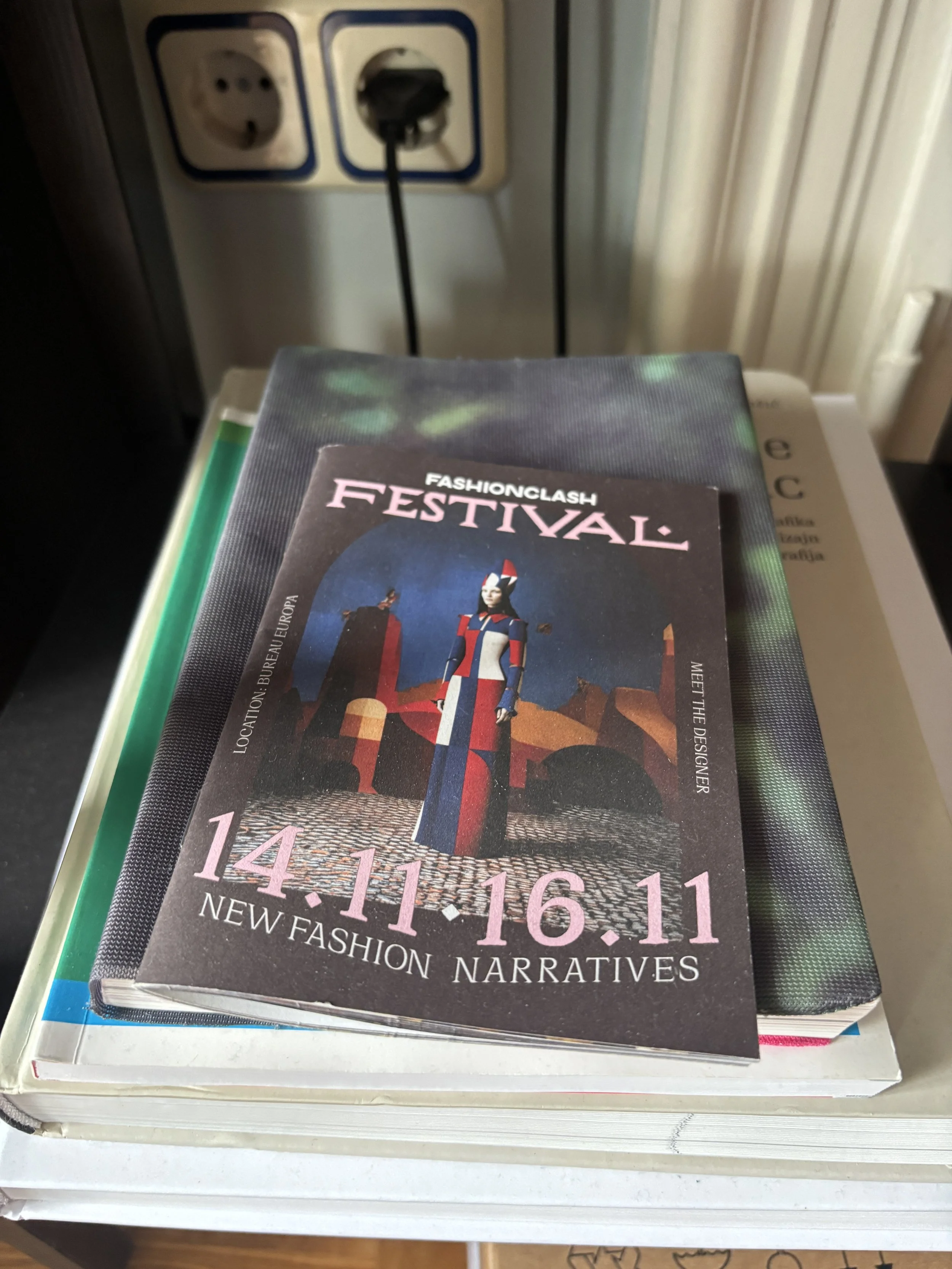
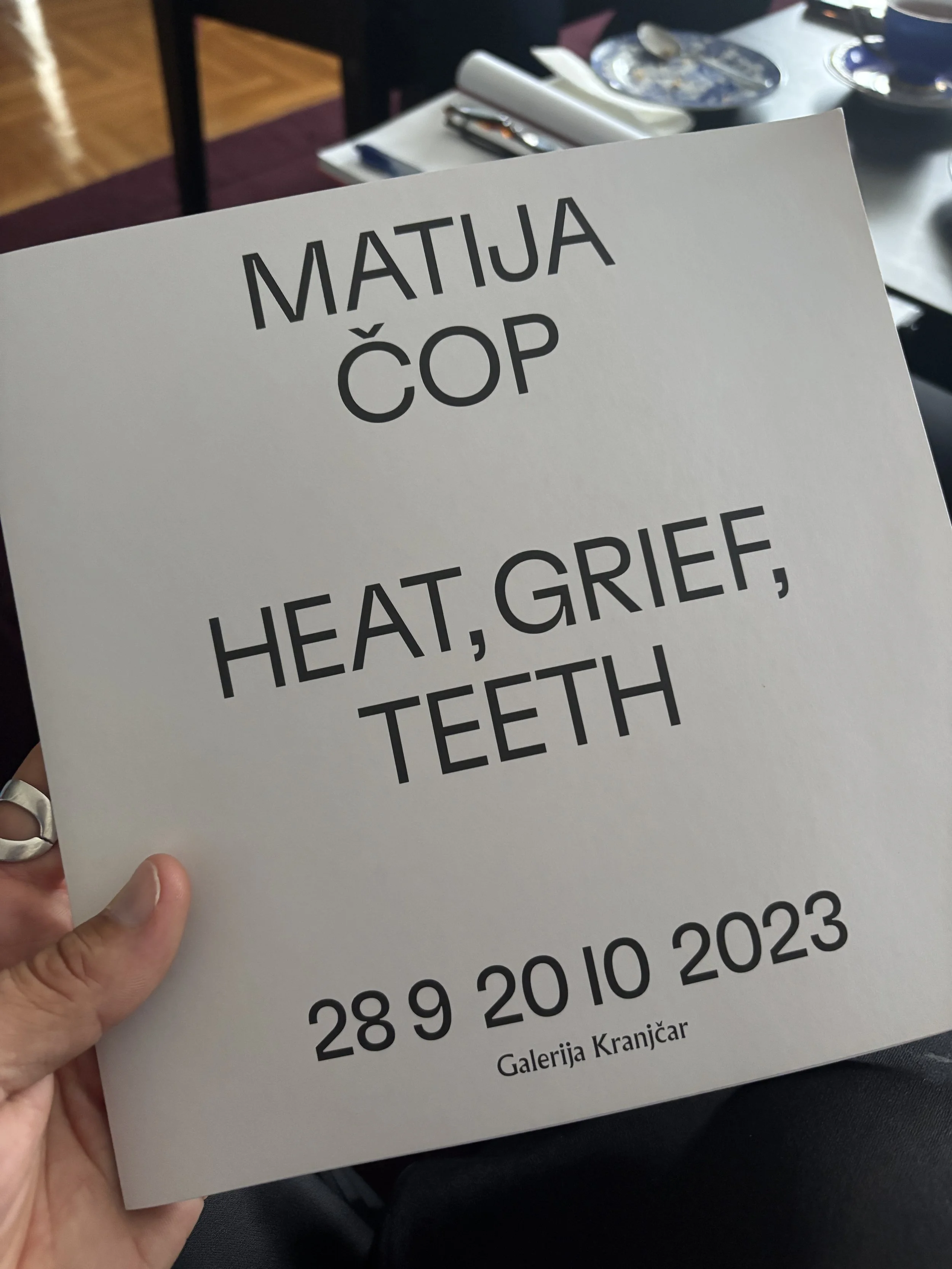
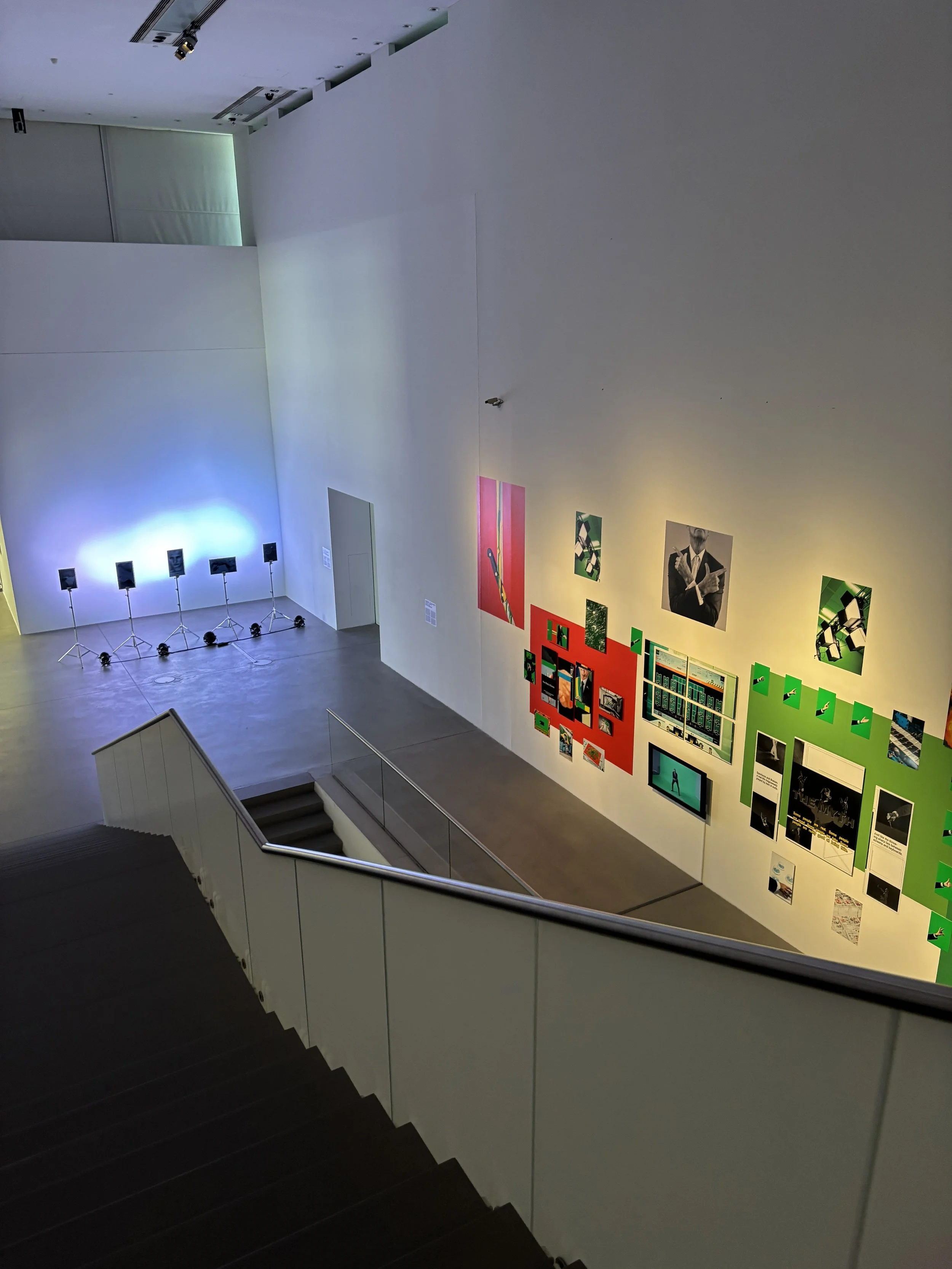
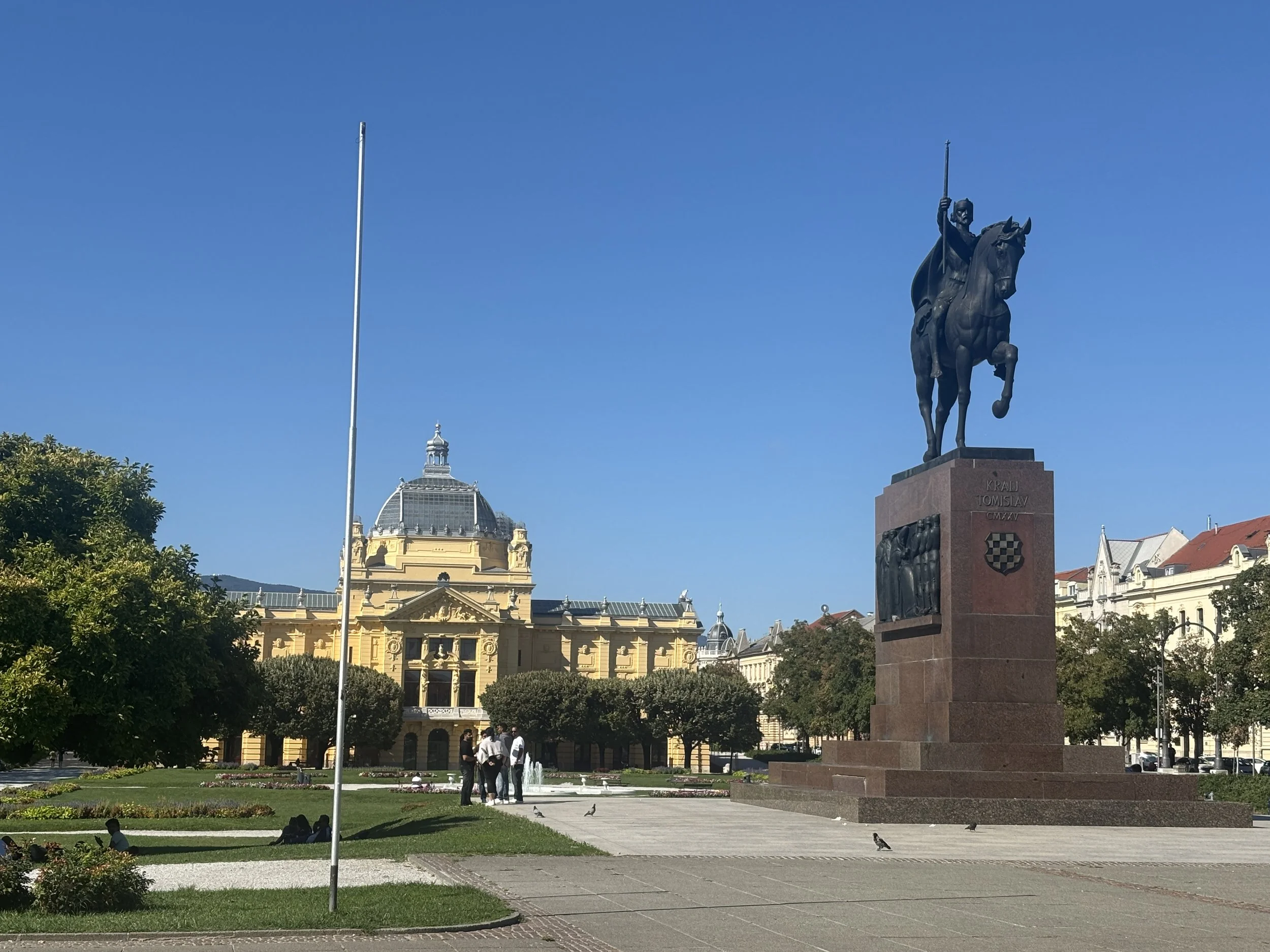
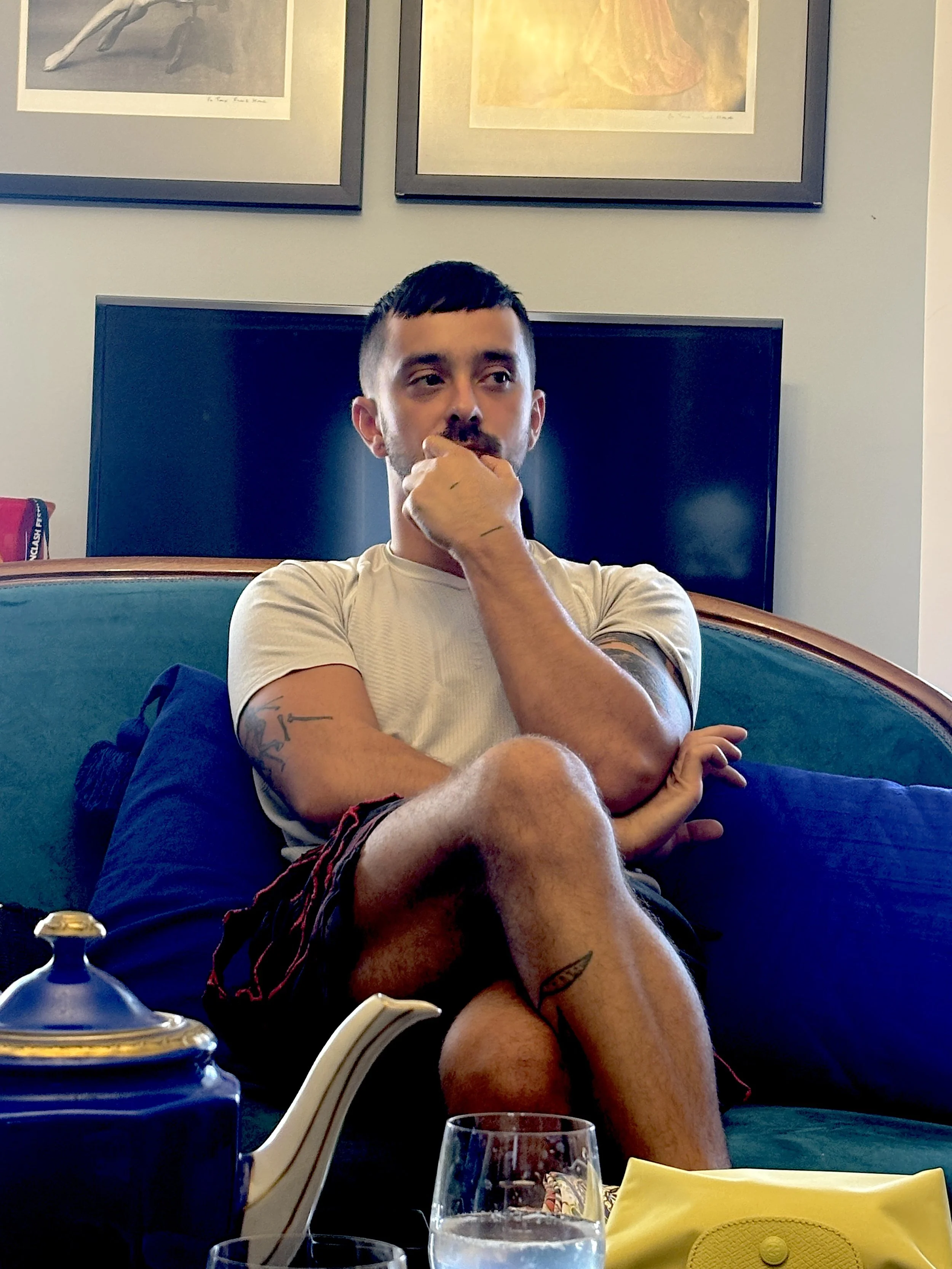
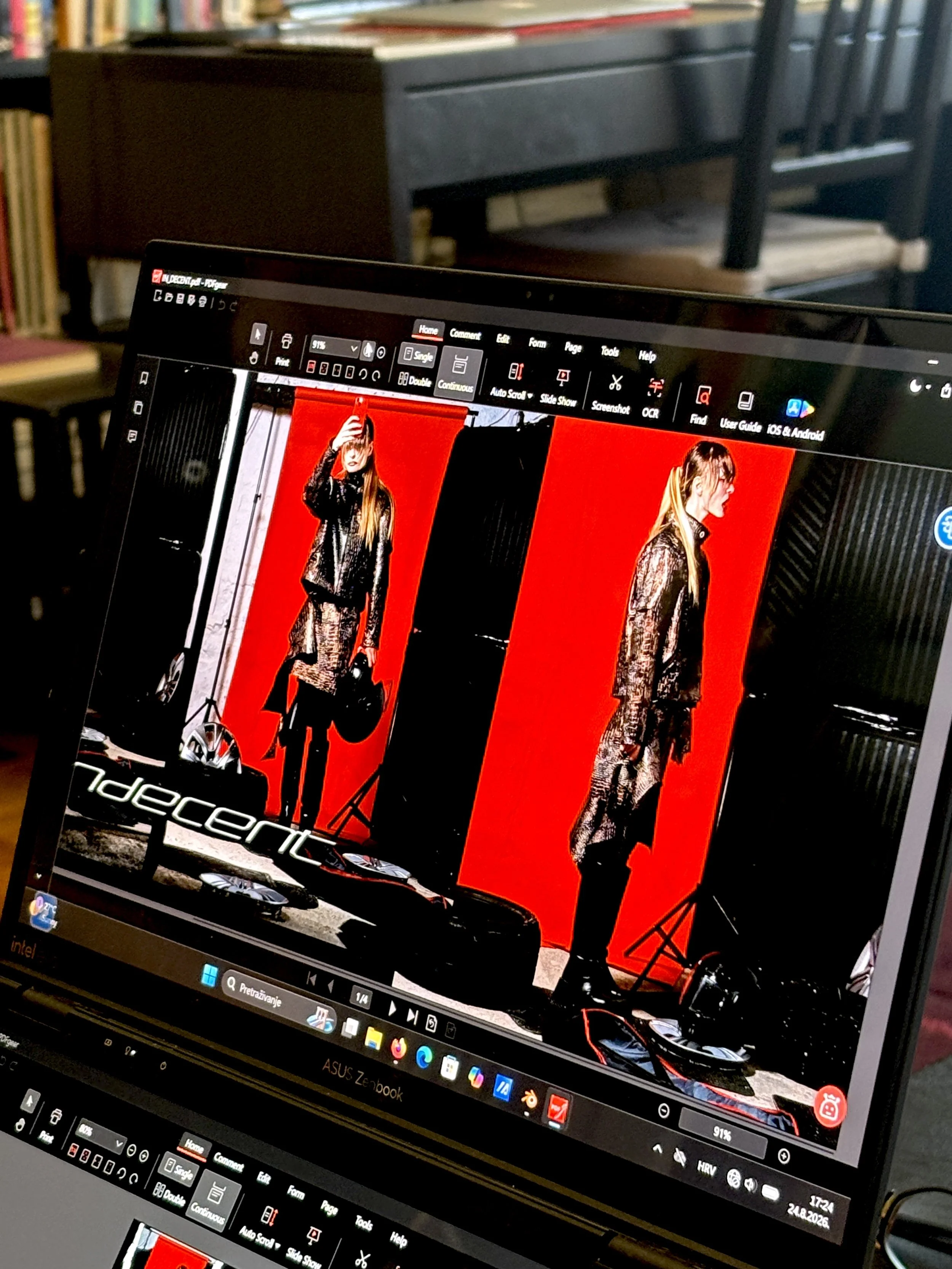
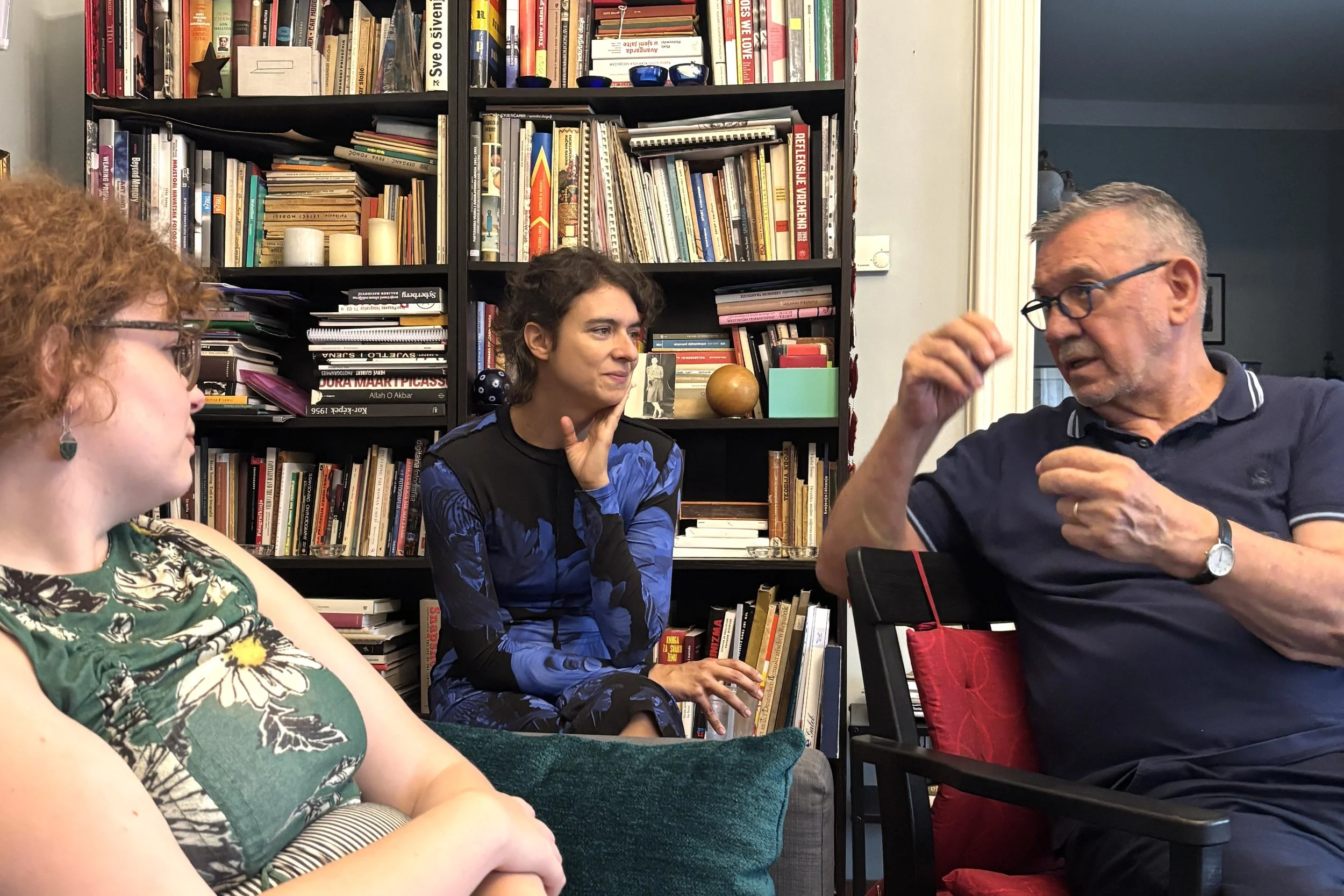
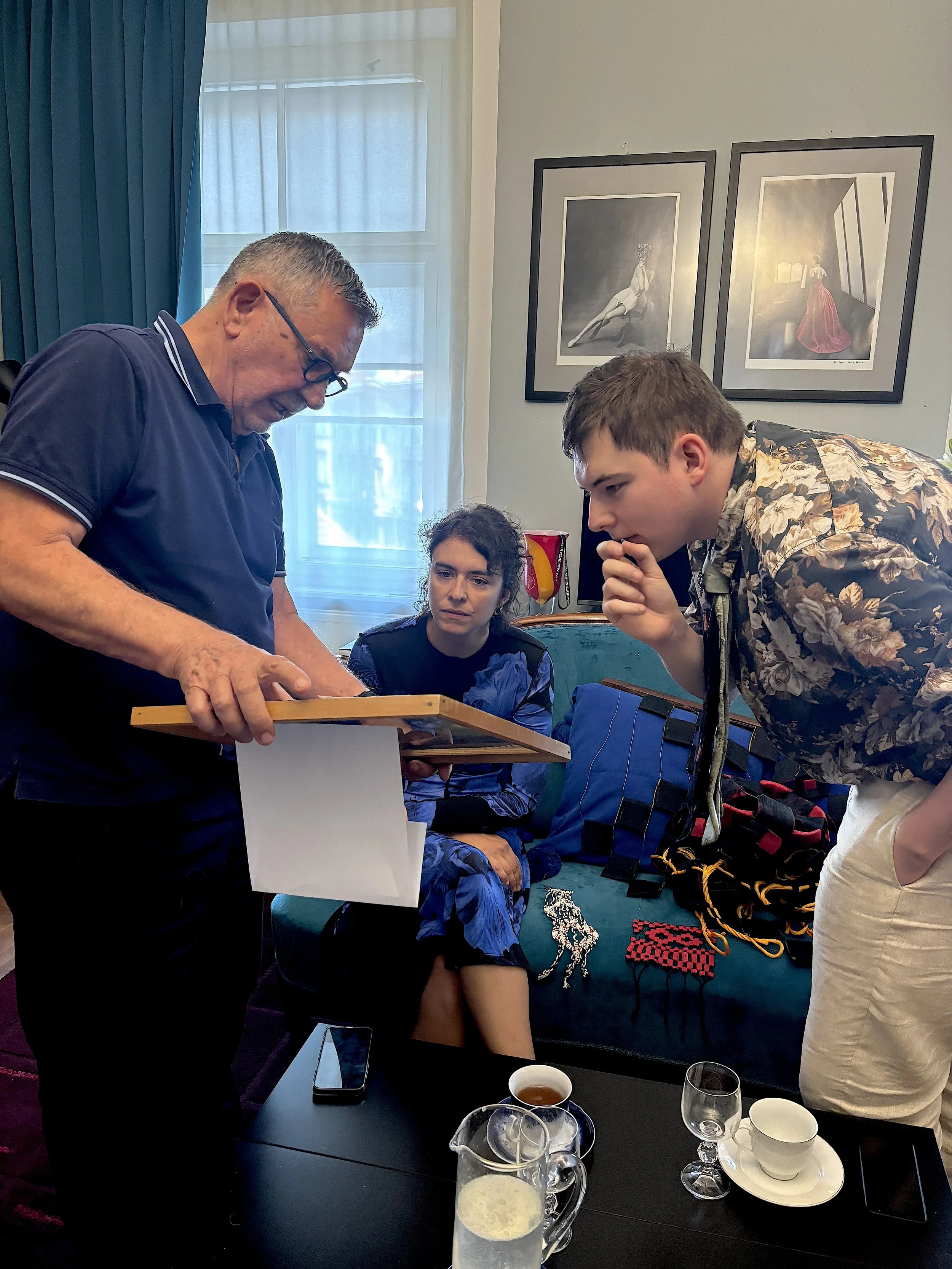
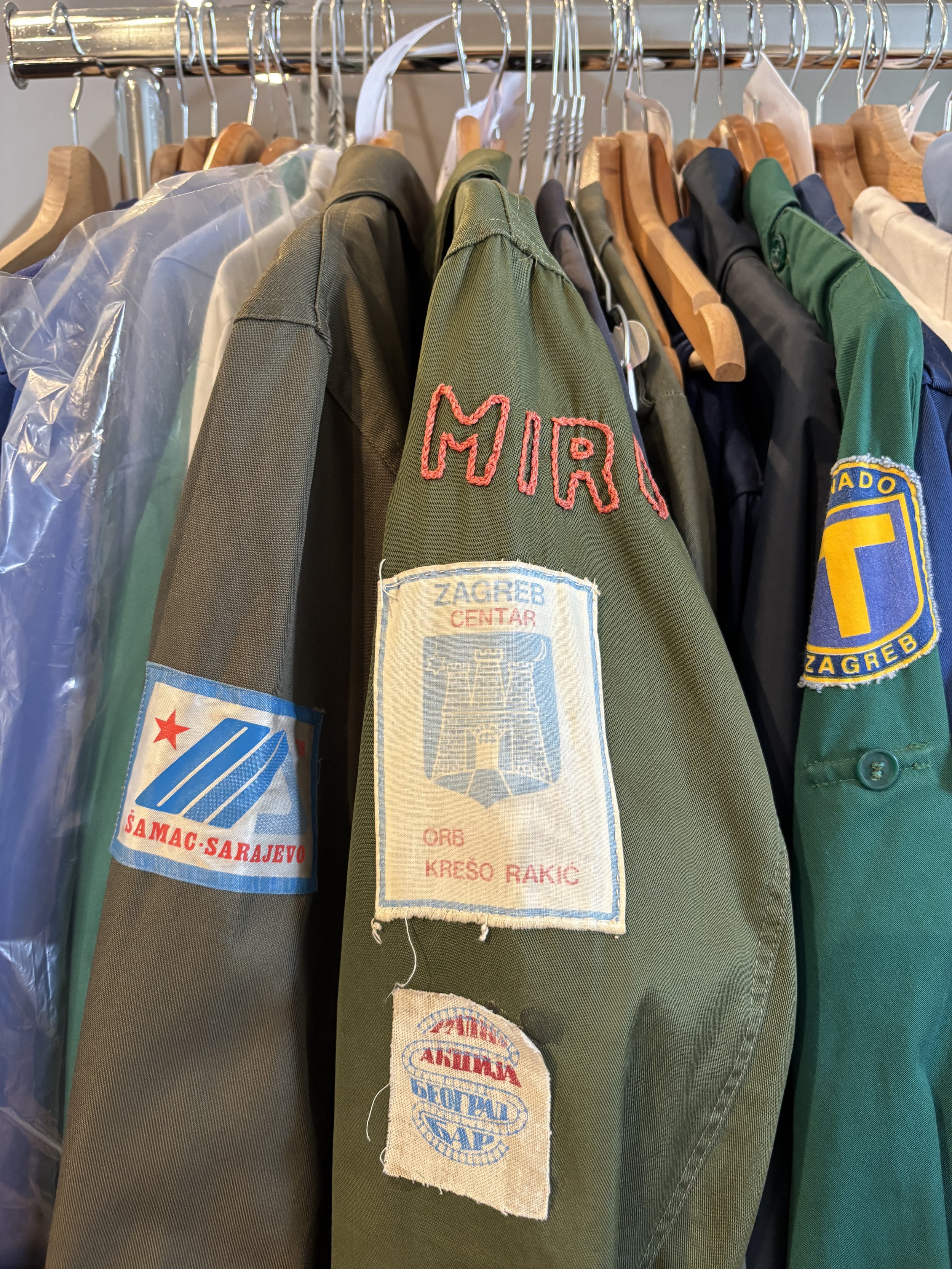
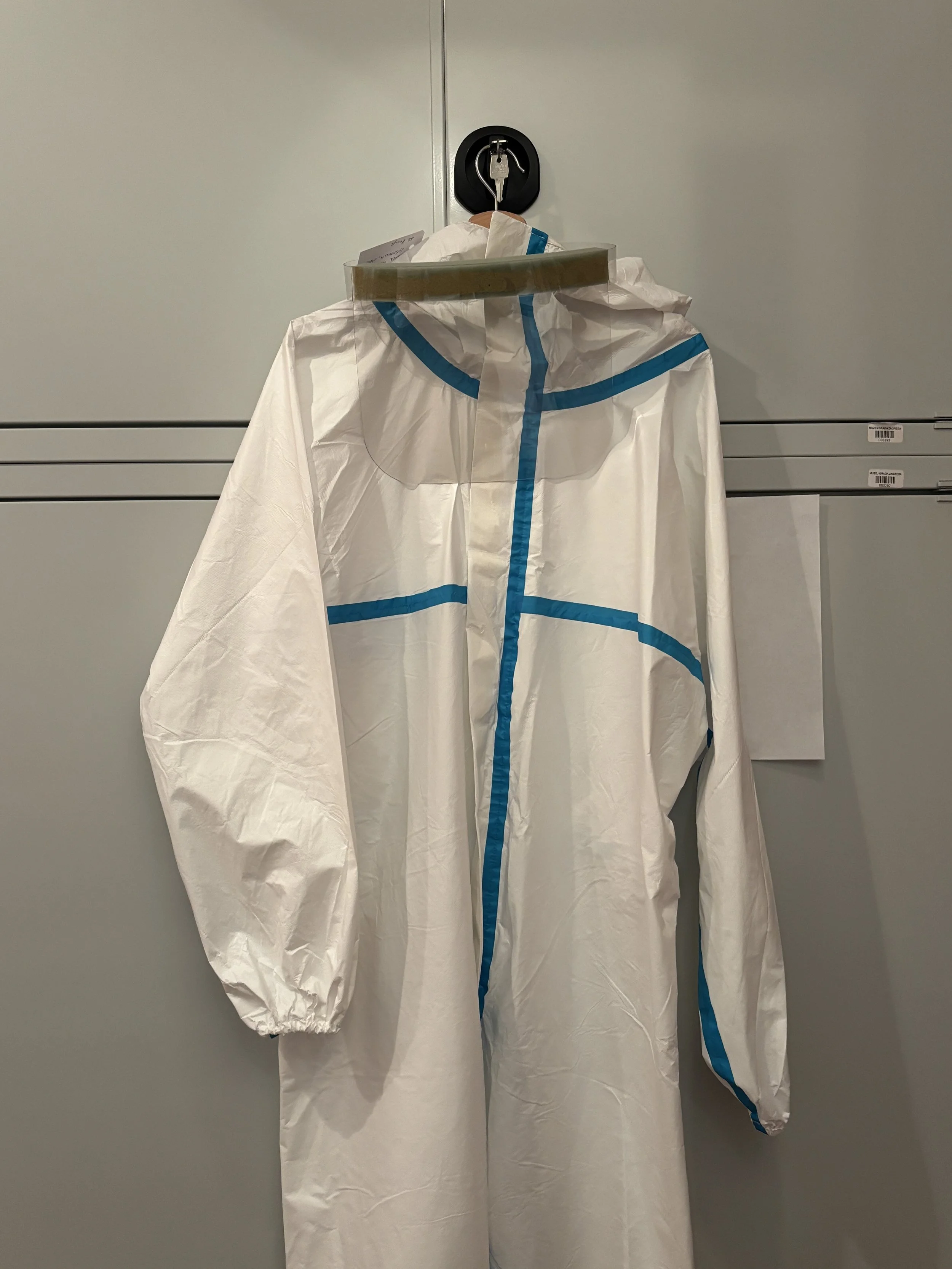
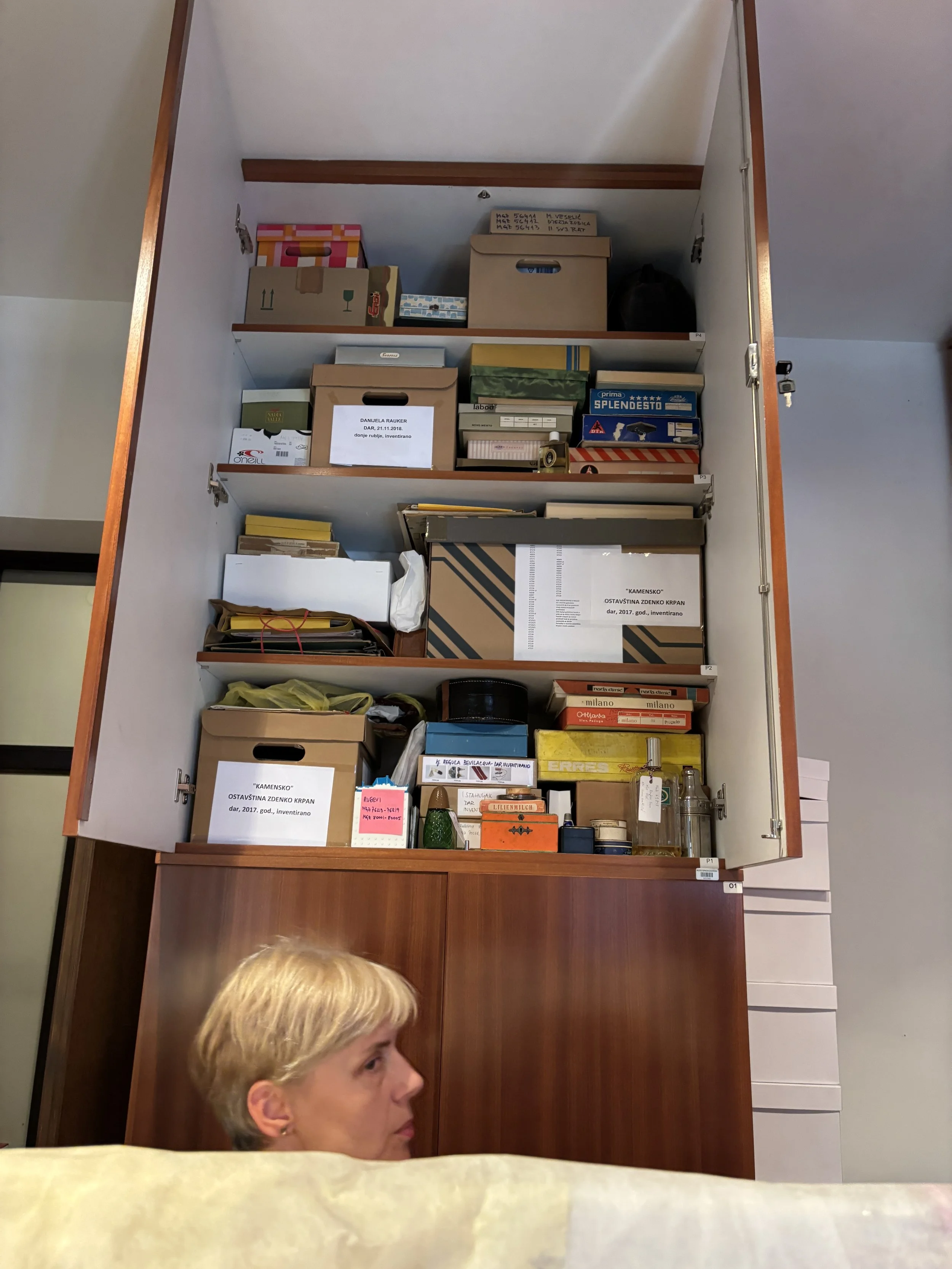
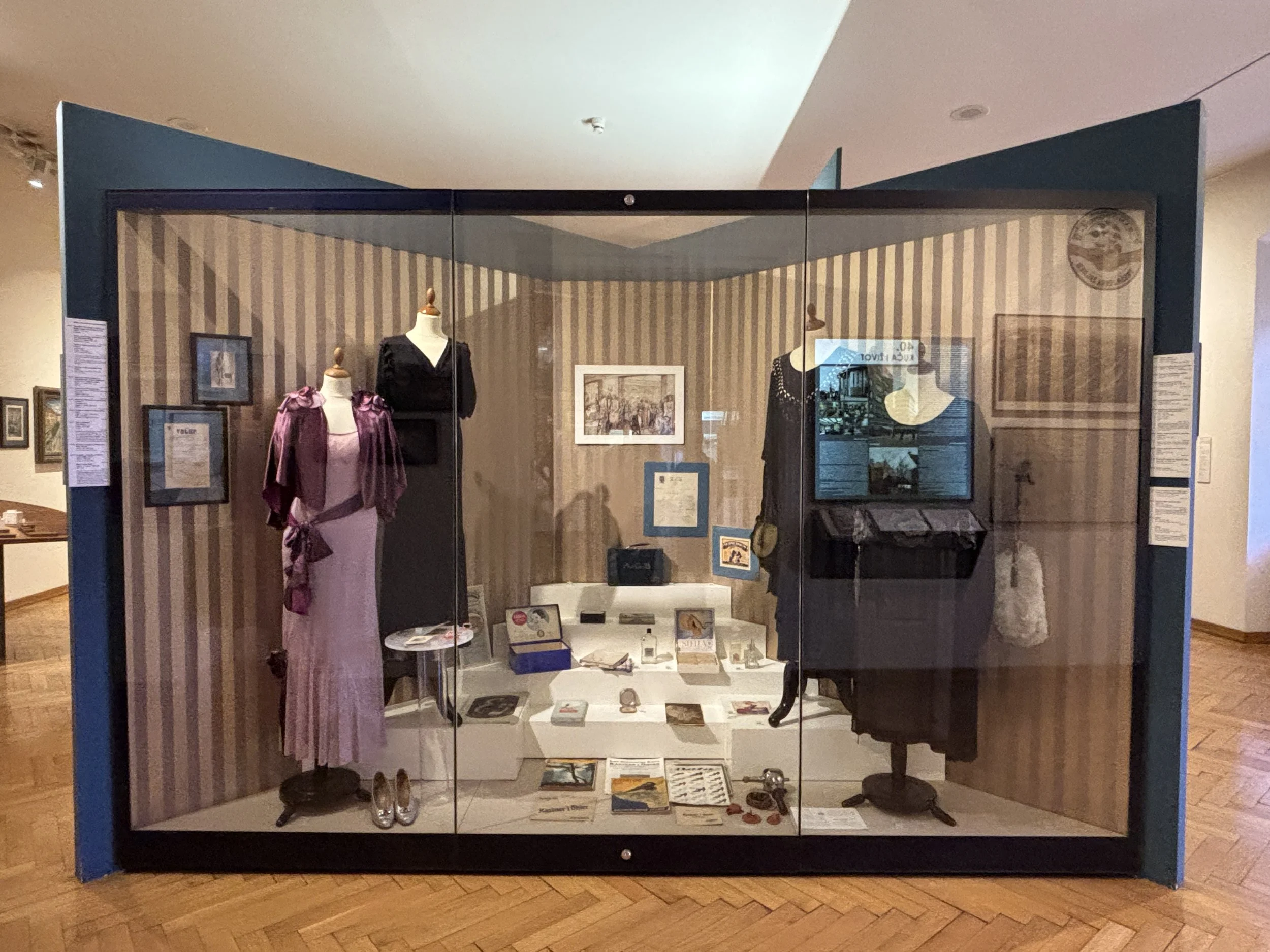
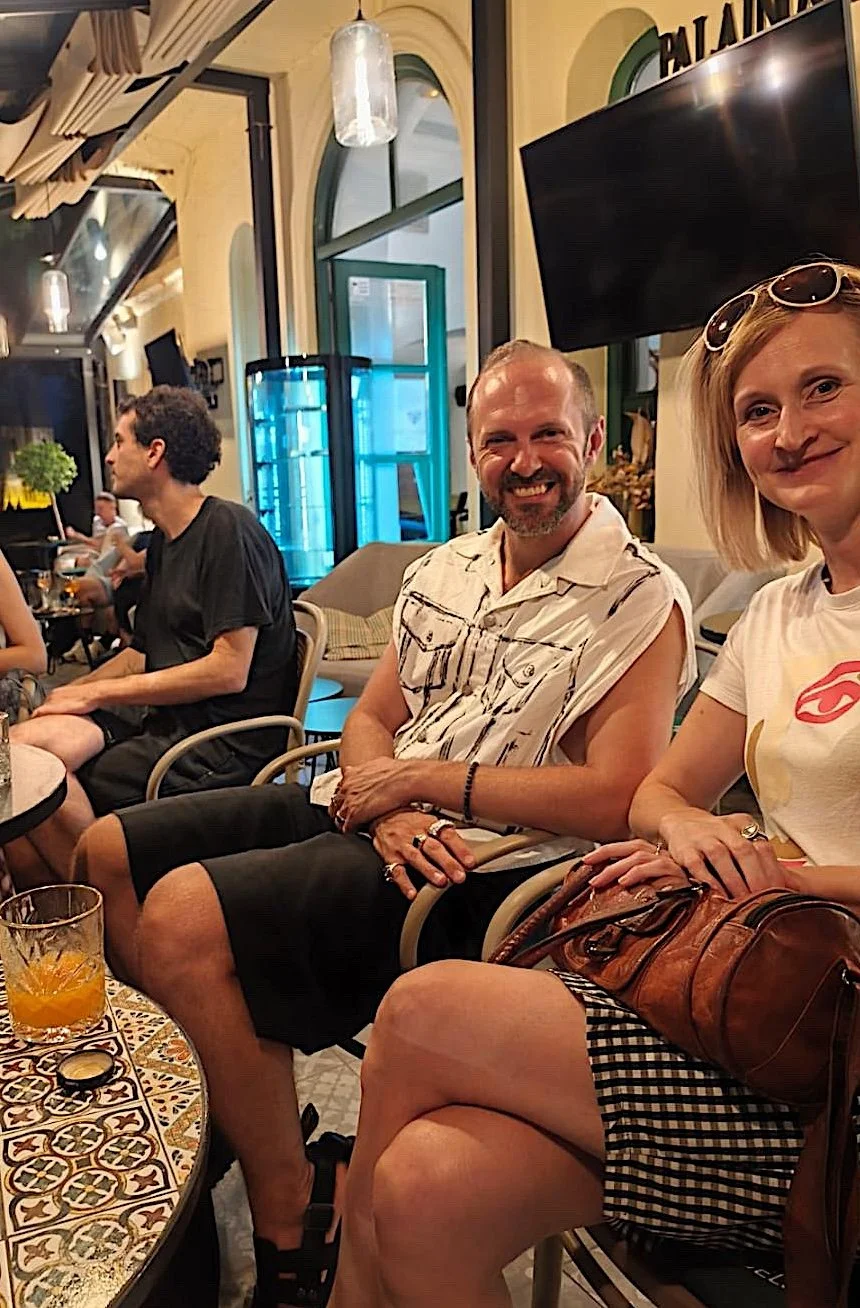
From 22 to 28 August 2026, Branko Popovic, co-founder and artistic director of FASHIONCLASH, participated in a residency at CIMO – Centre for Research of Fashion and Clothing in Zagreb, Croatia. The residency took place within the framework of BoSA – Briefing on Soft Arts, through which CIMO hosted Branko.
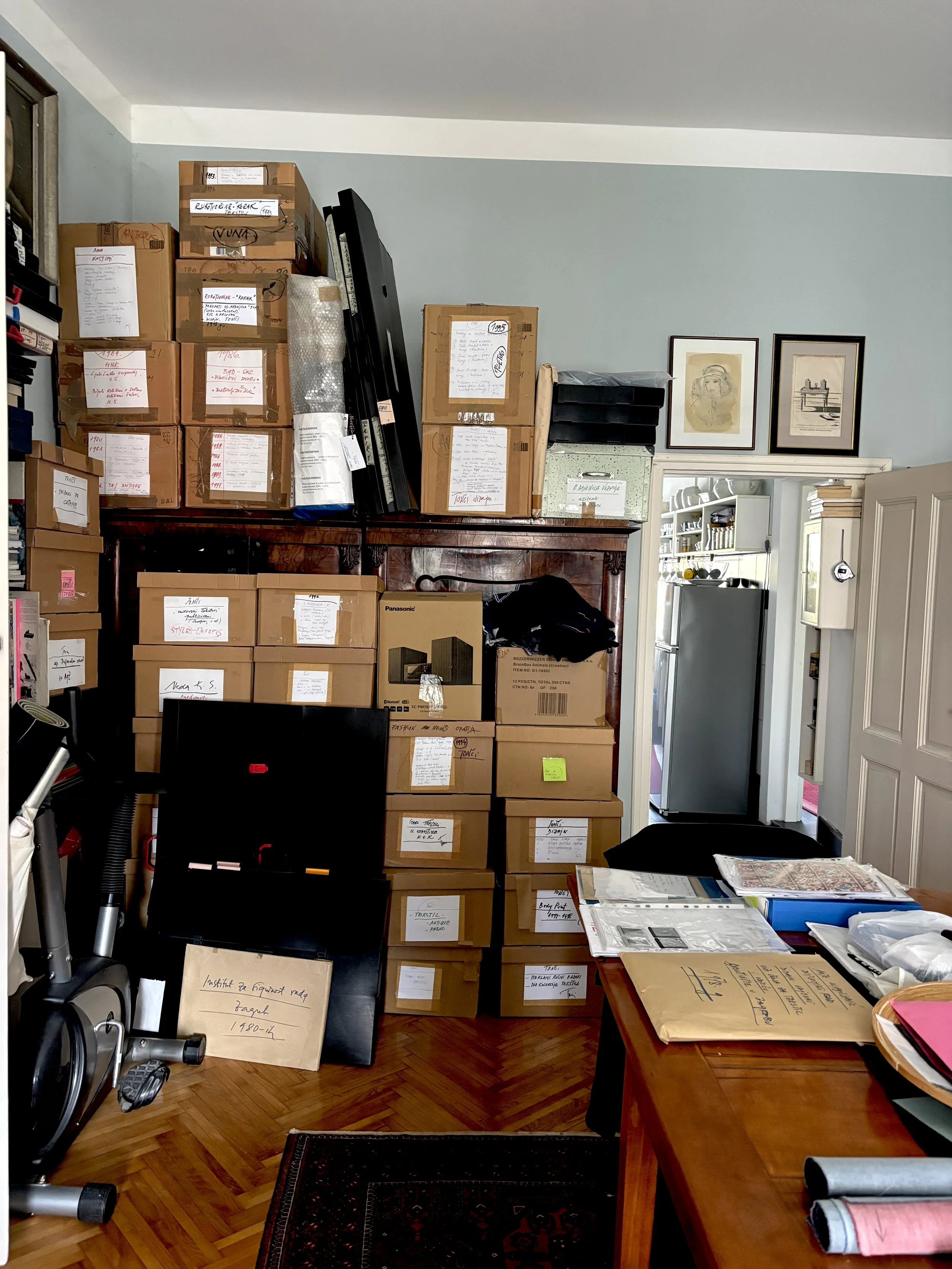
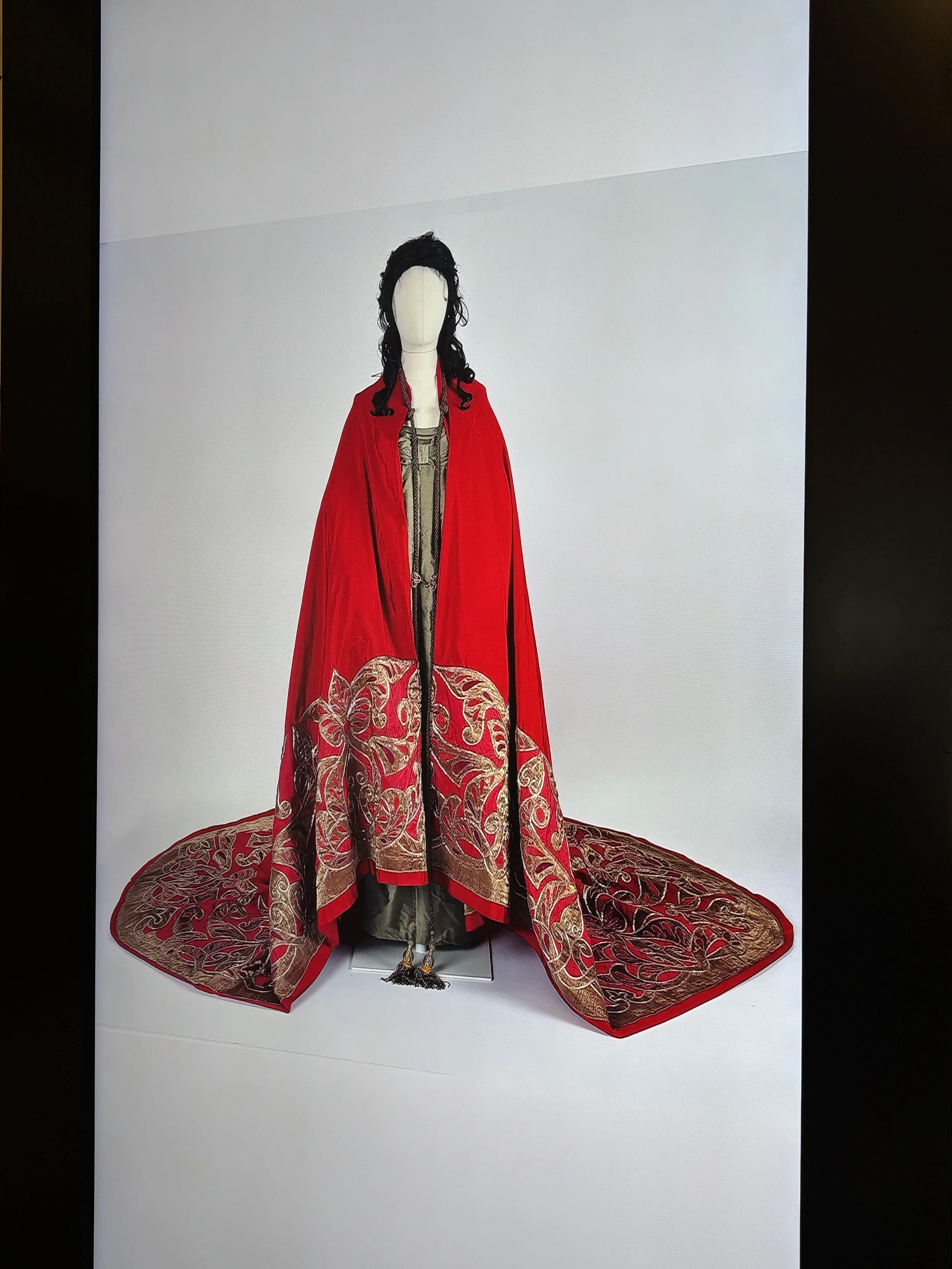
The residency offered a week of research, exchange and encounters with the Croatian fashion and cultural field. CIMO works at the intersection of fashion, clothing, research, archives, heritage and contemporary creative practice, with a focus on collecting, preserving, researching and presenting fashion-related cultural material. This approach connects closely to FASHIONCLASH's interest in fashion as a cultural practice and as a space for dialogue between different disciplines, communities and perspectives.
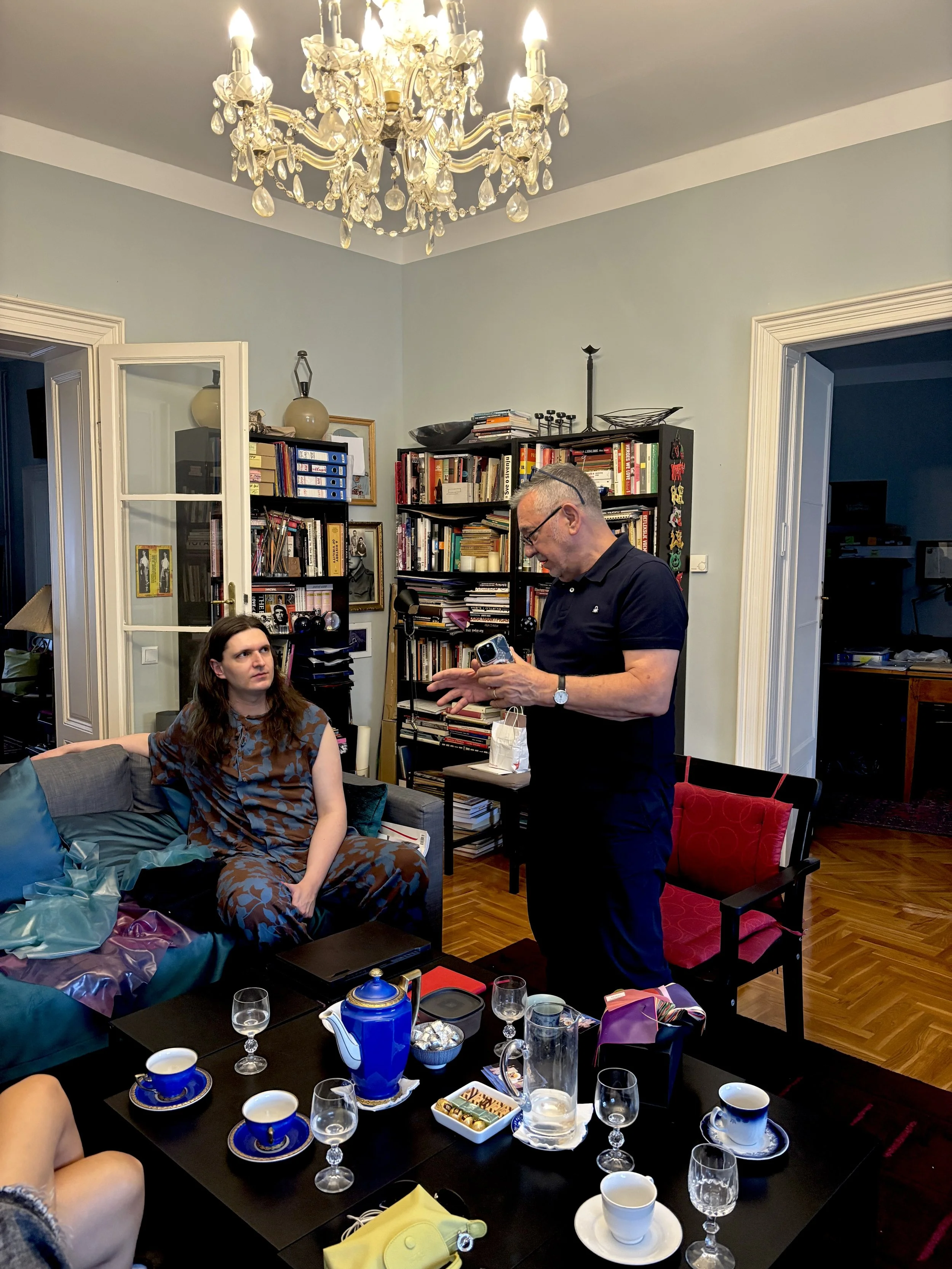
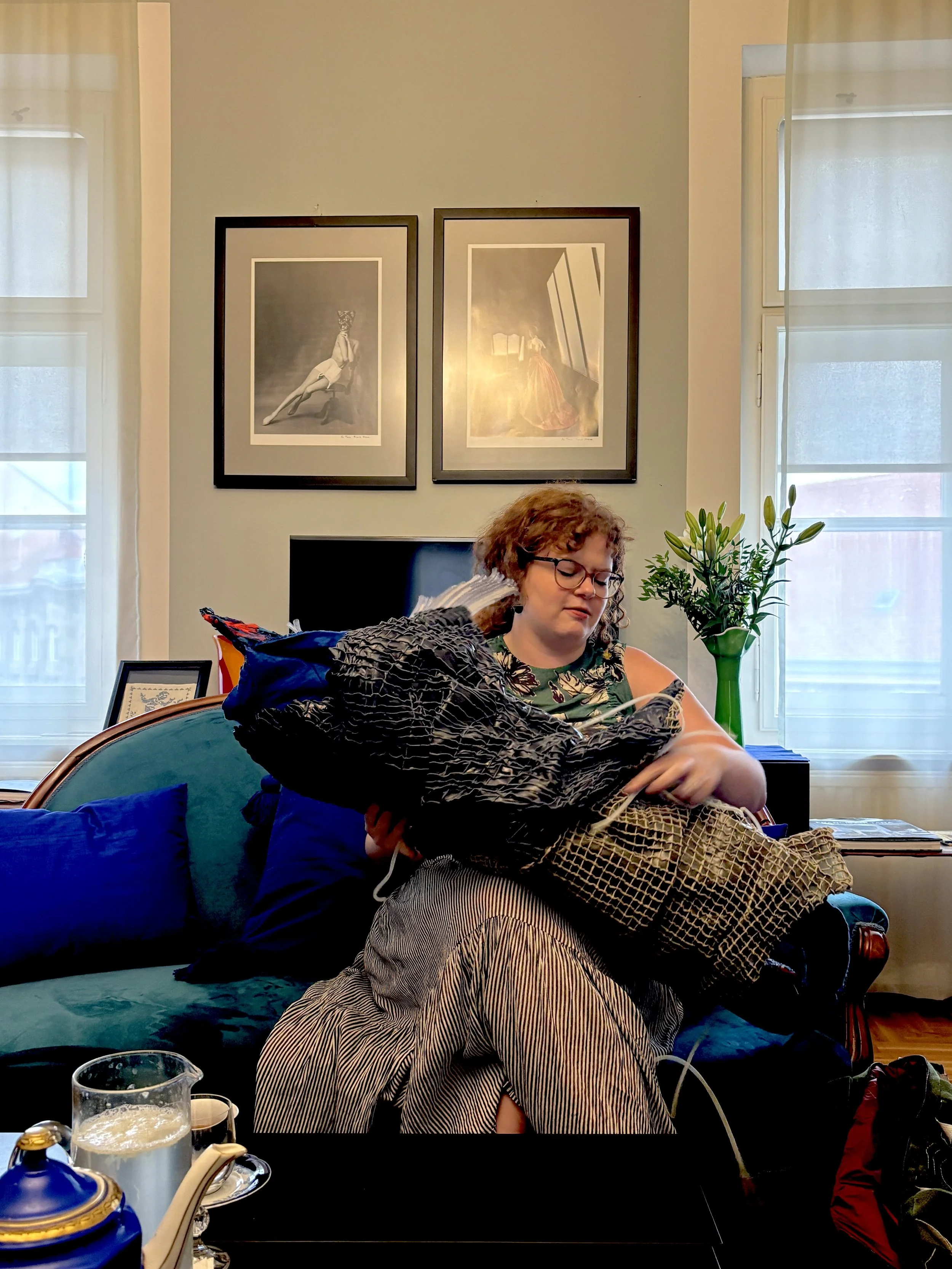
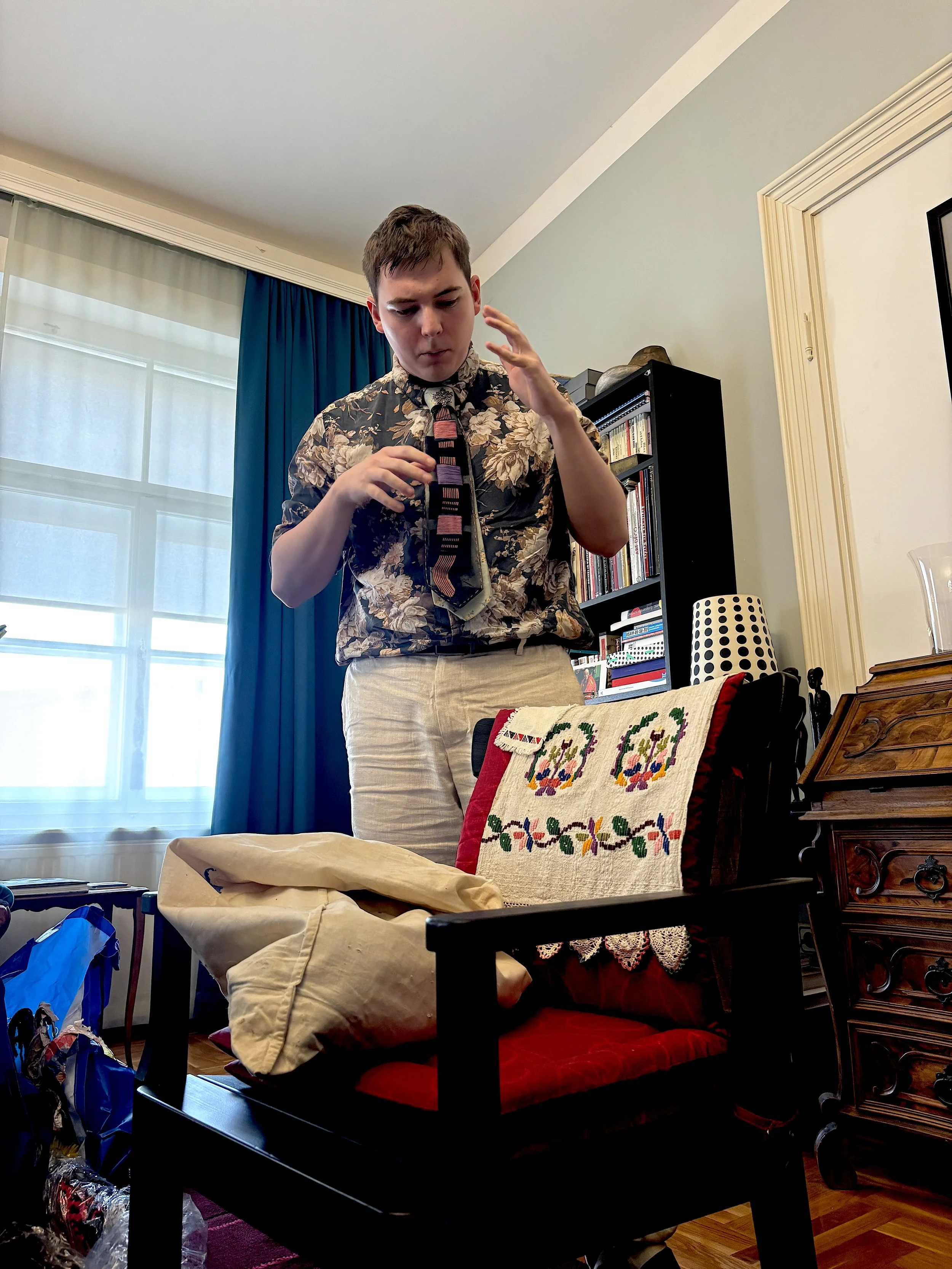
During the residency, Branko met with CIMO's team and a new generation of Croatian and regional makers. He was introduced to Robert Fenrich, Marko Mišković, Ela Leko and Leo Subanović, whose practices explore fashion and textiles through performance, experimental materials, sustainability, waste, identity and critical perspectives on contemporary society. He also met Lovro Ivančić, textile artist, researcher and curator, who works across textile art, costume, styling and scenography and is involved with BIEN Kranj.
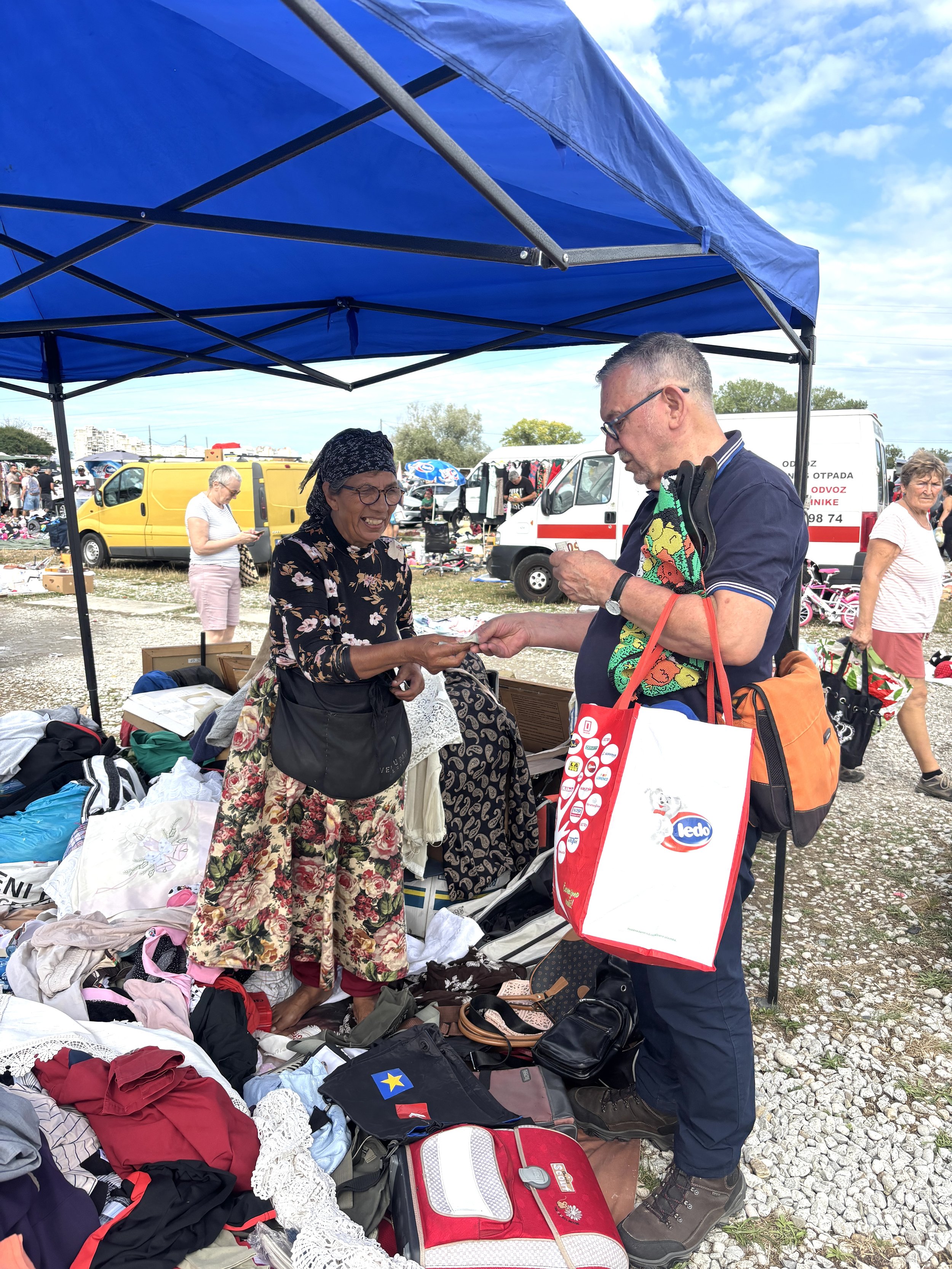
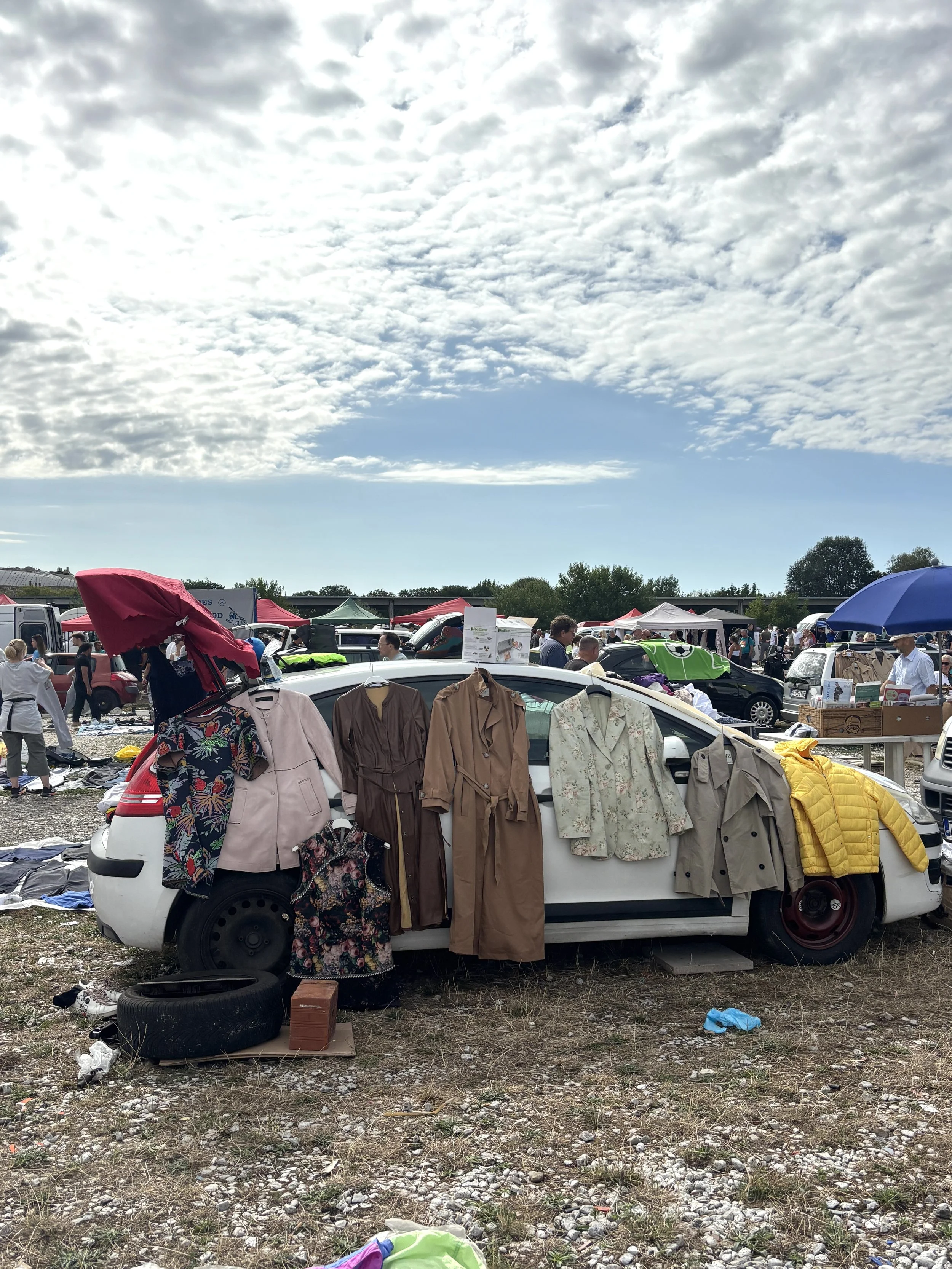
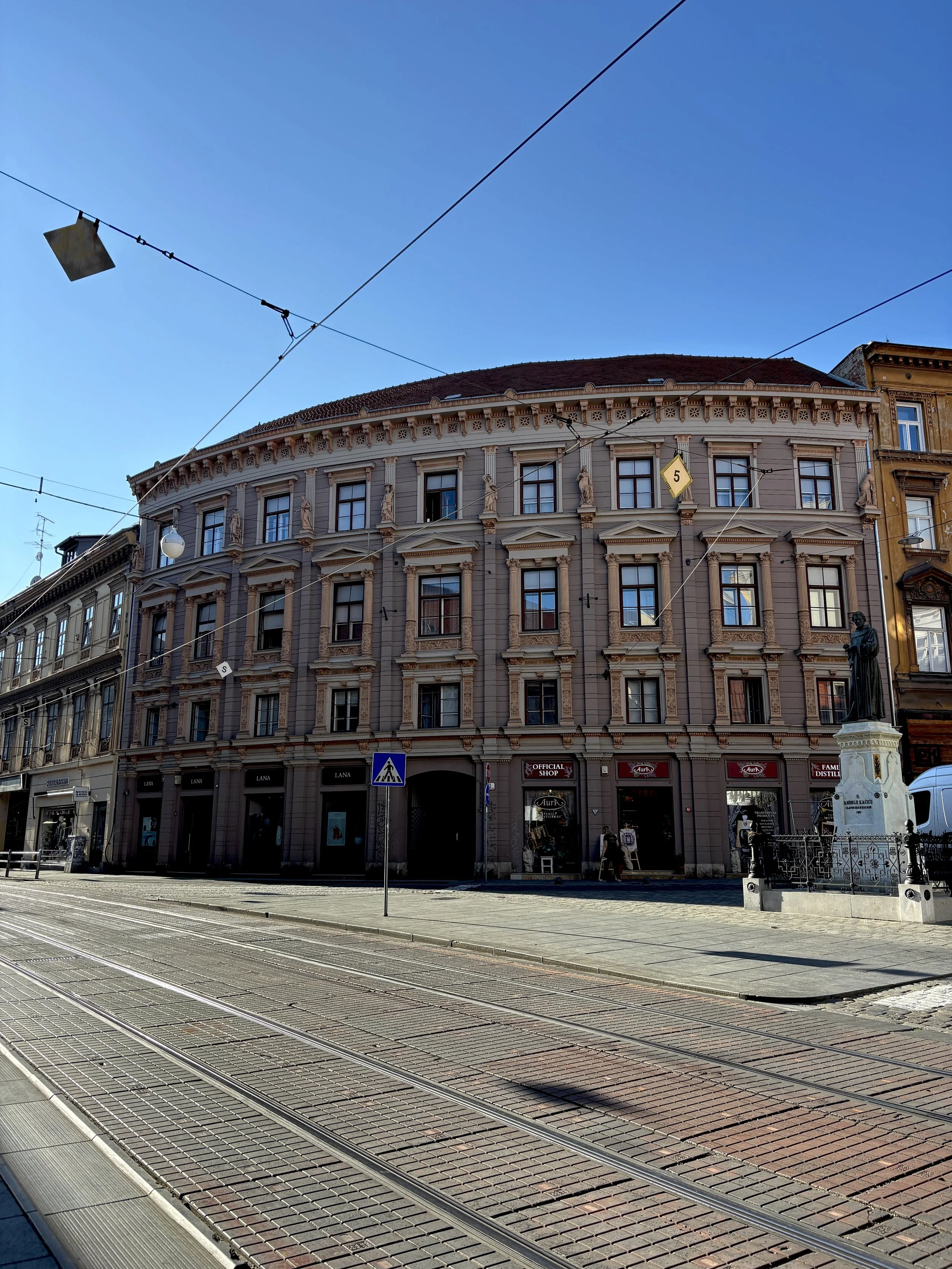
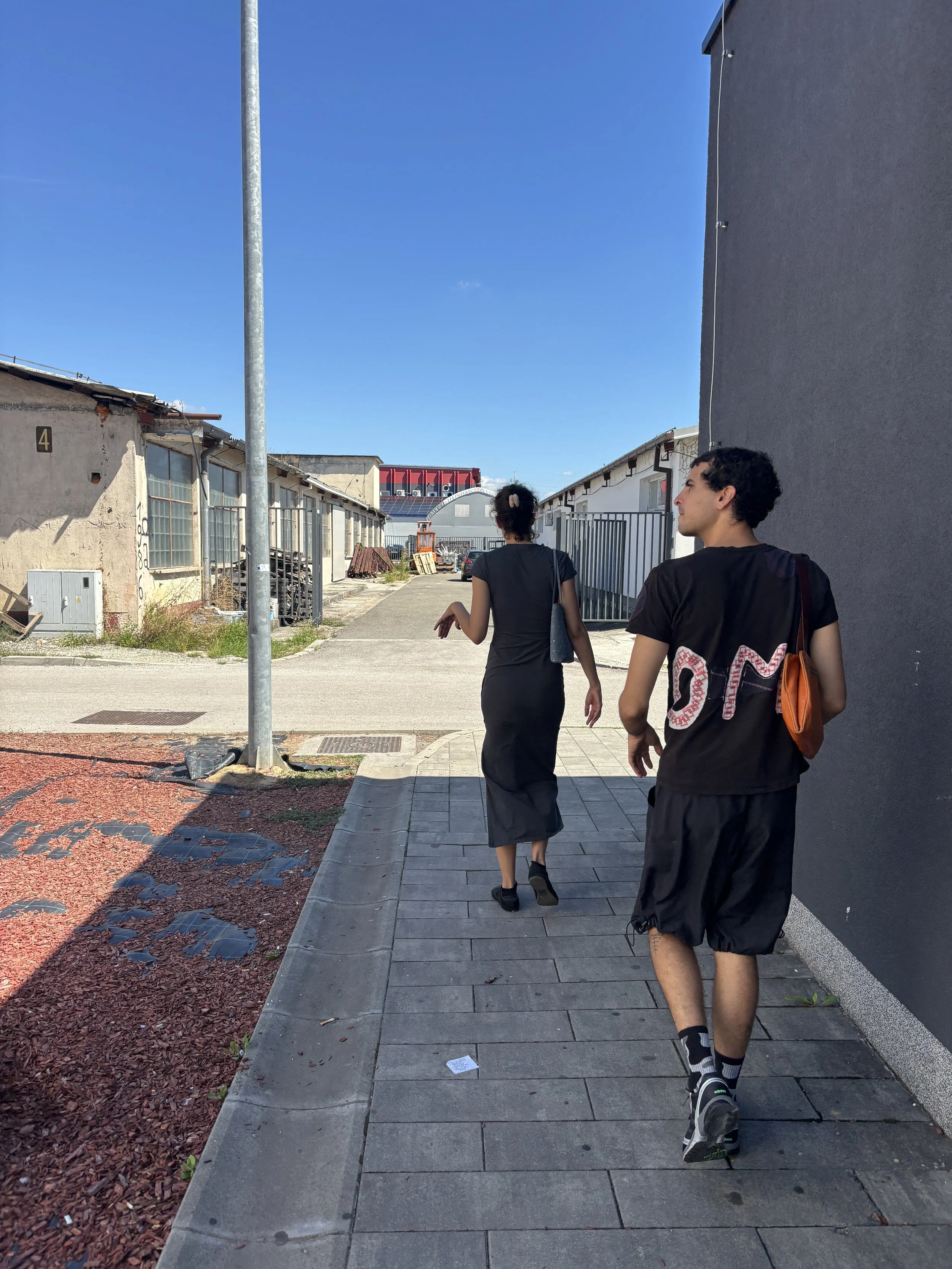
The residency also included visits and encounters that placed contemporary fashion within a broader social and cultural context. Together with CIMO's Ante 'Tonči' Vladislavić, Branko visited Hrelić, Zagreb's long-running flea market. The market offered a fascinating view of the changing city through clothing and everyday objects. Alongside older and locally significant garments and objects, the growing presence of fast fashion was clearly visible. Hrelić also brings together people from different social and cultural backgrounds, including migrant communities and people living on the margins of society, making it a particularly revealing place to observe the diversity and changing realities of contemporary Croatia.
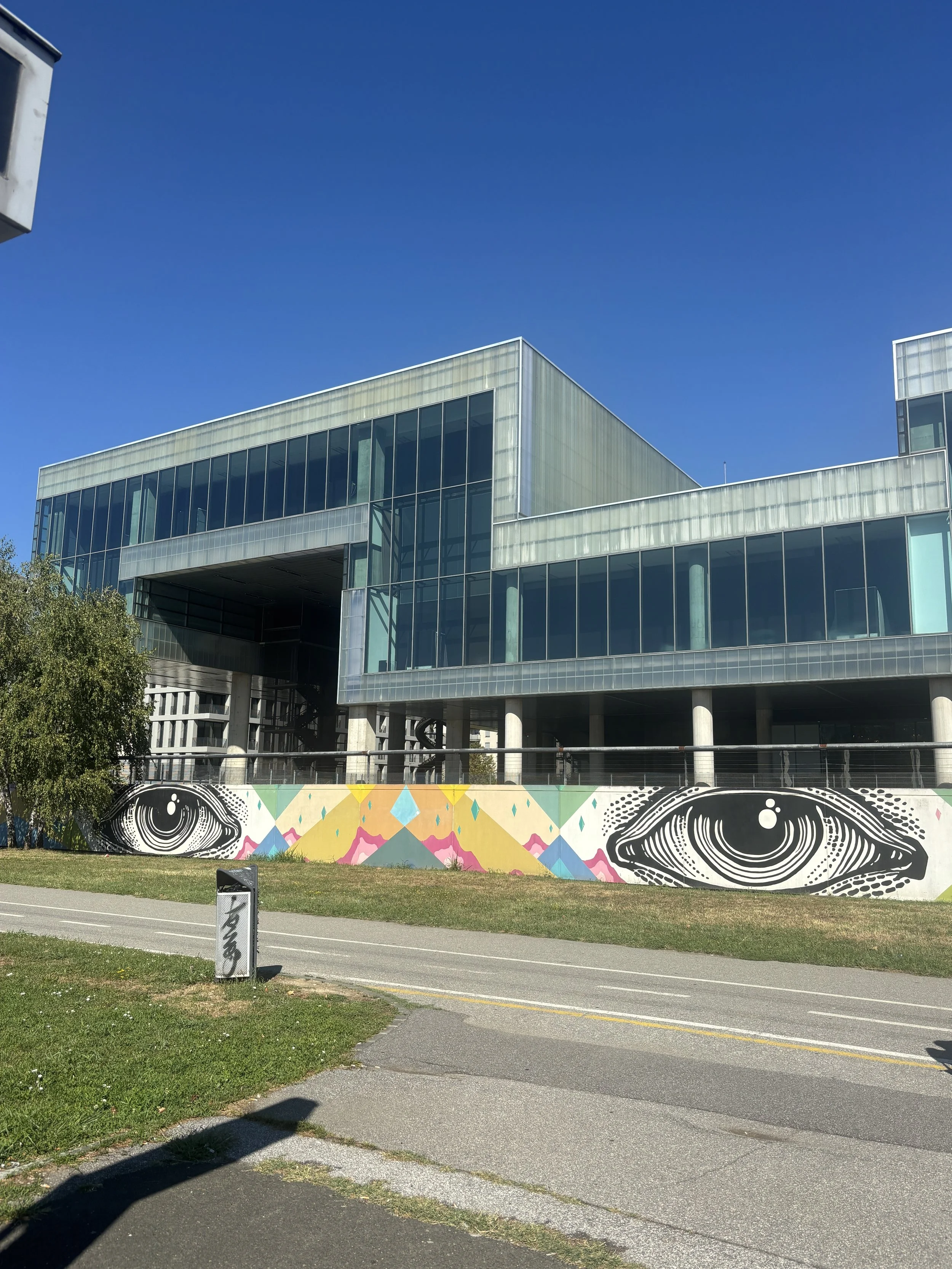
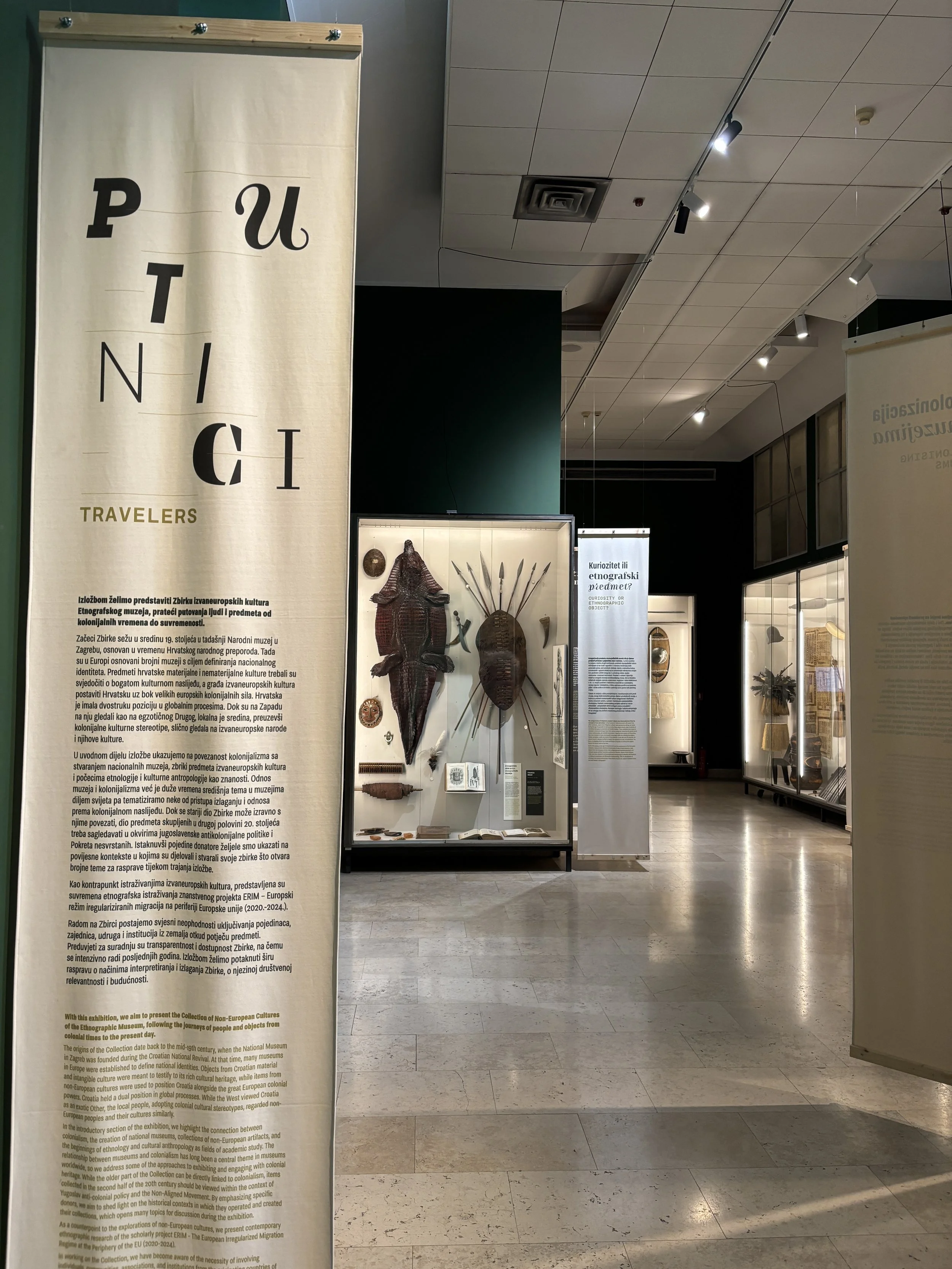
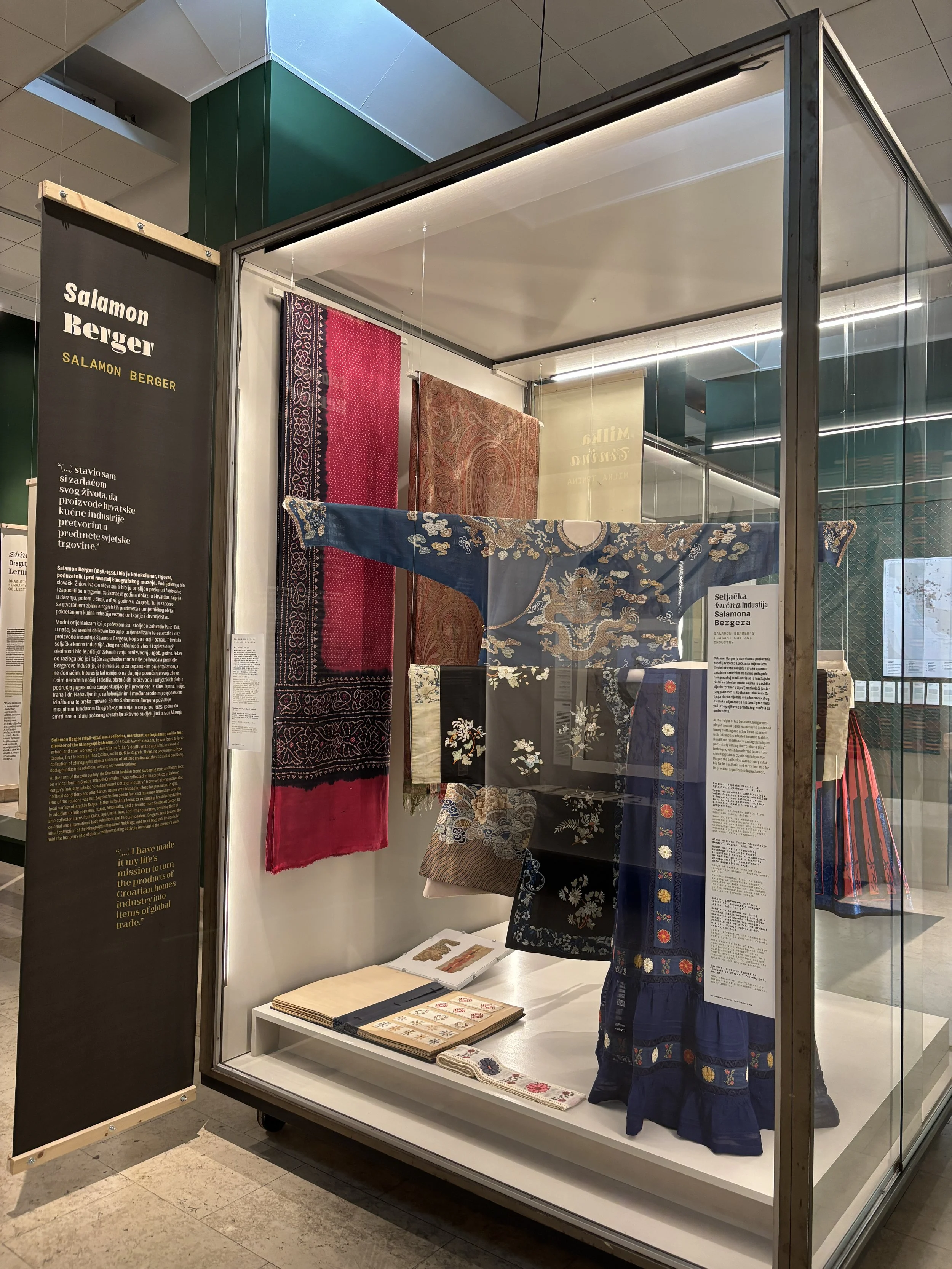
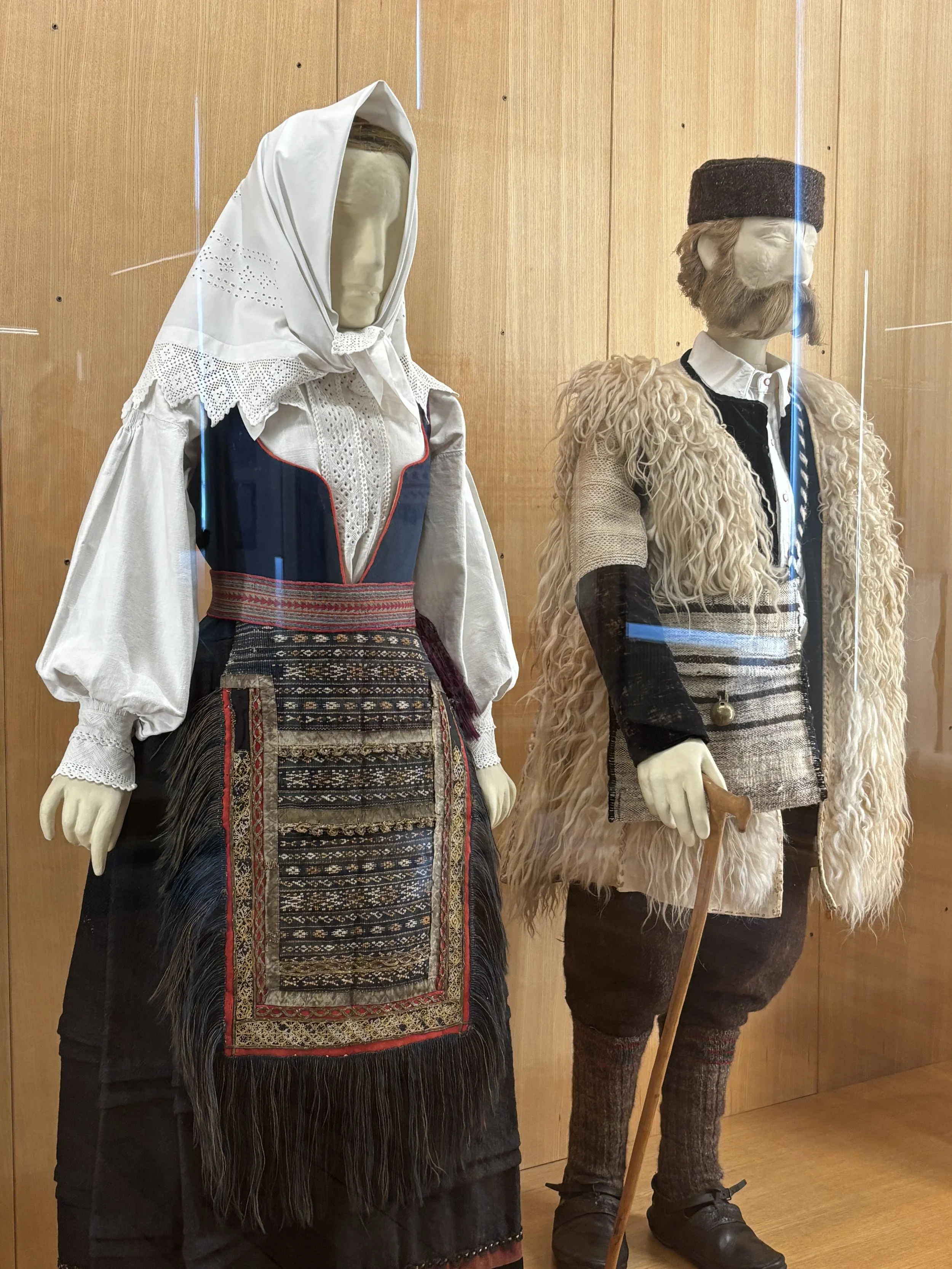
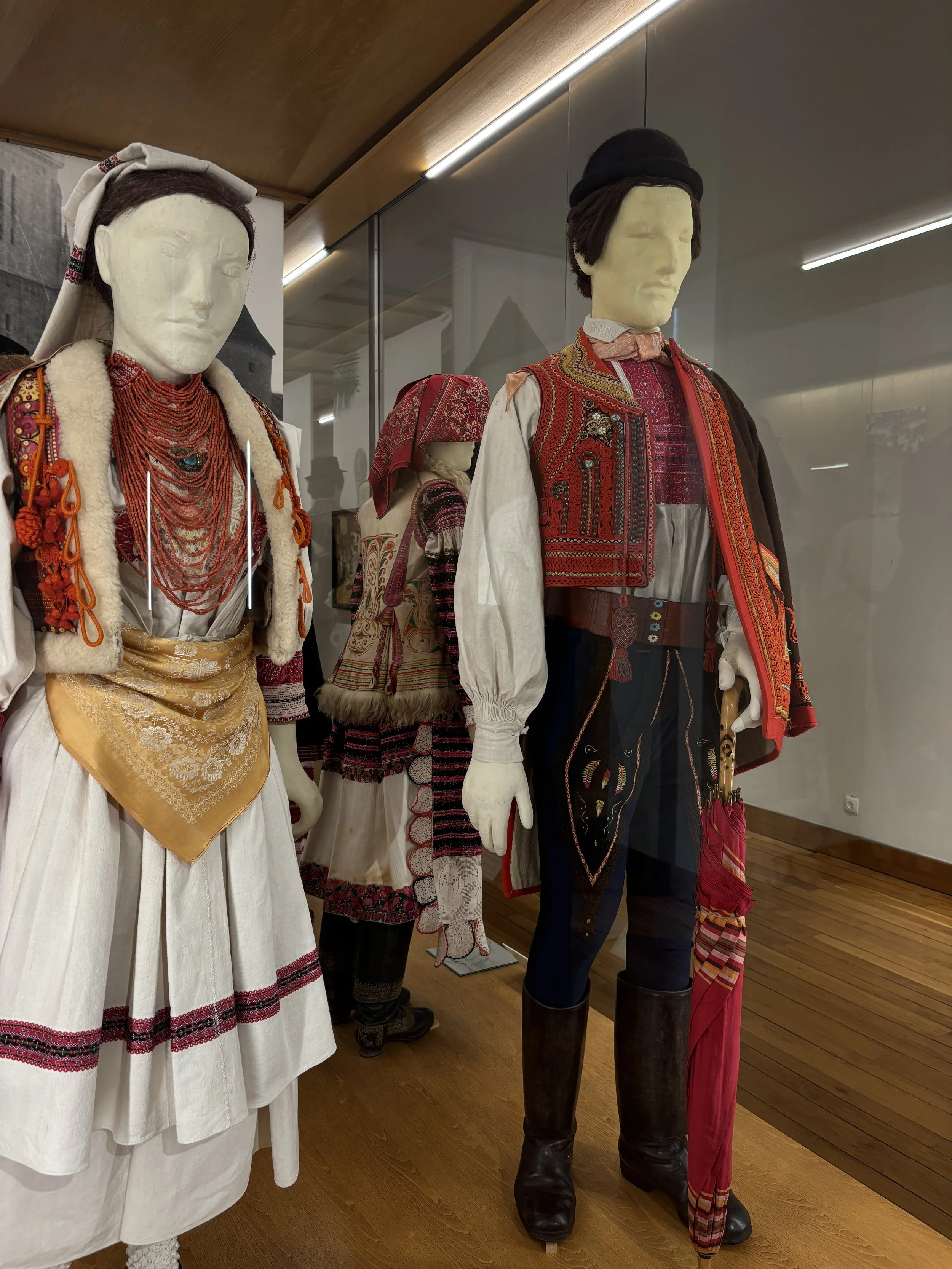
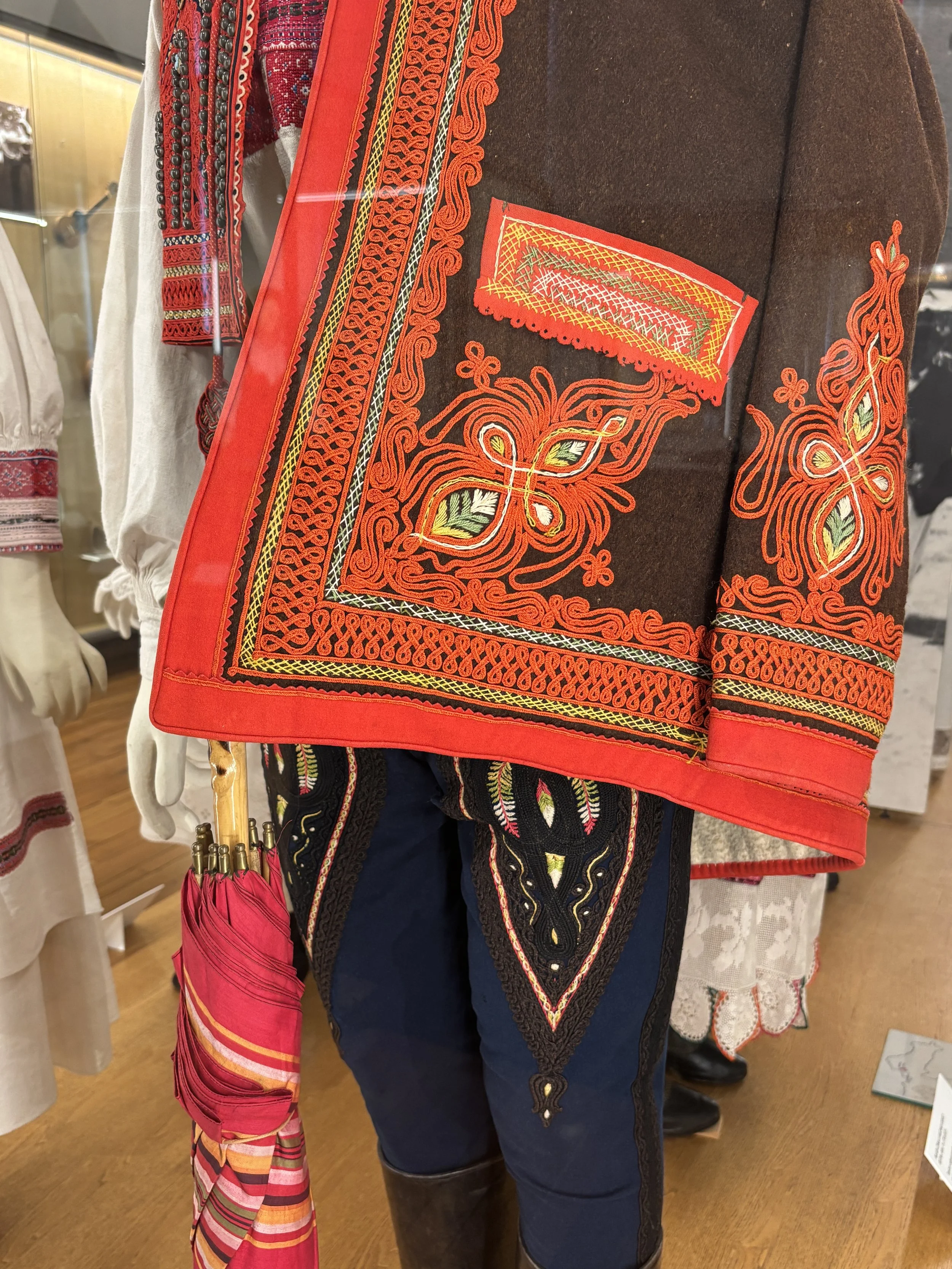
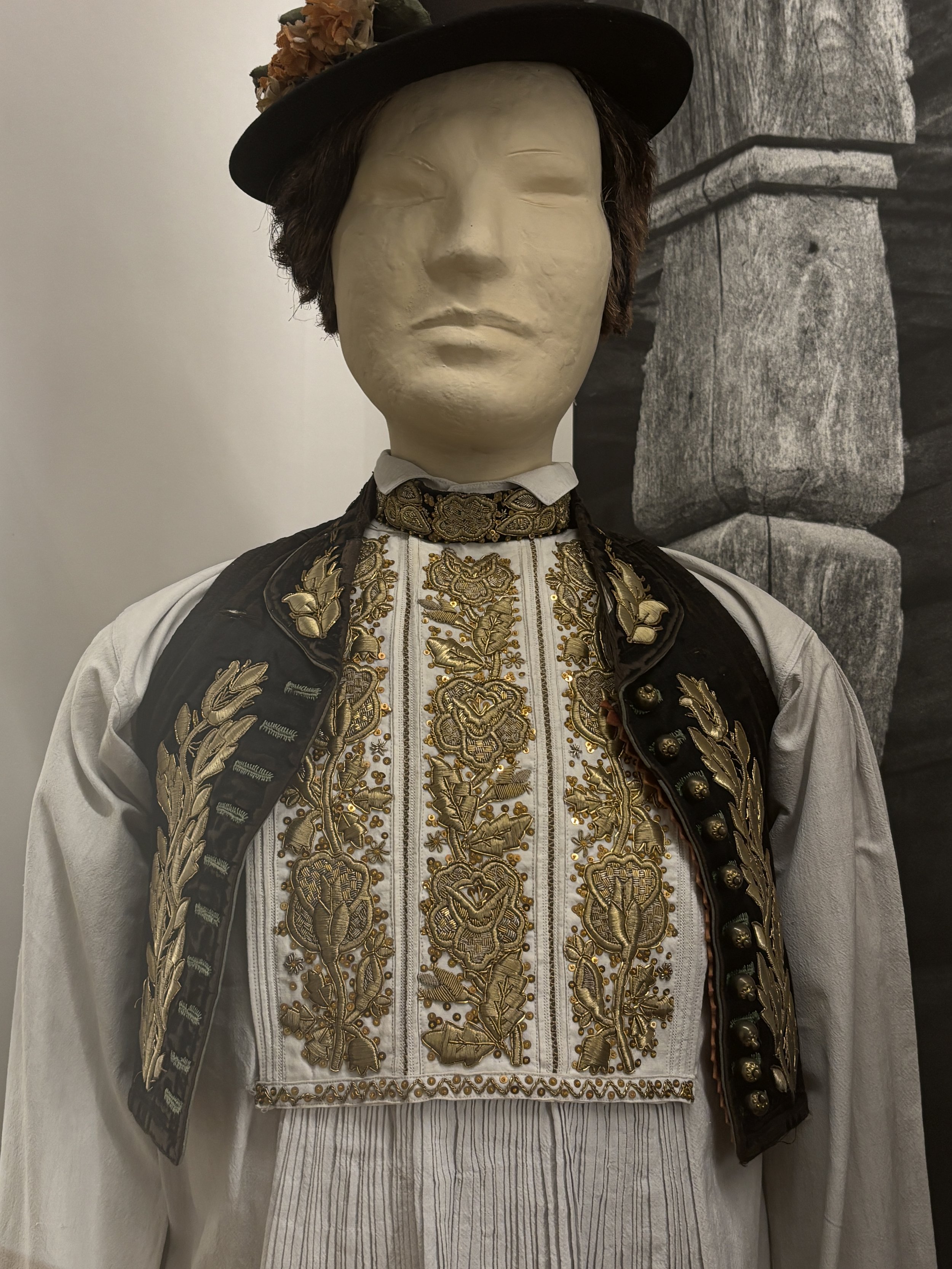
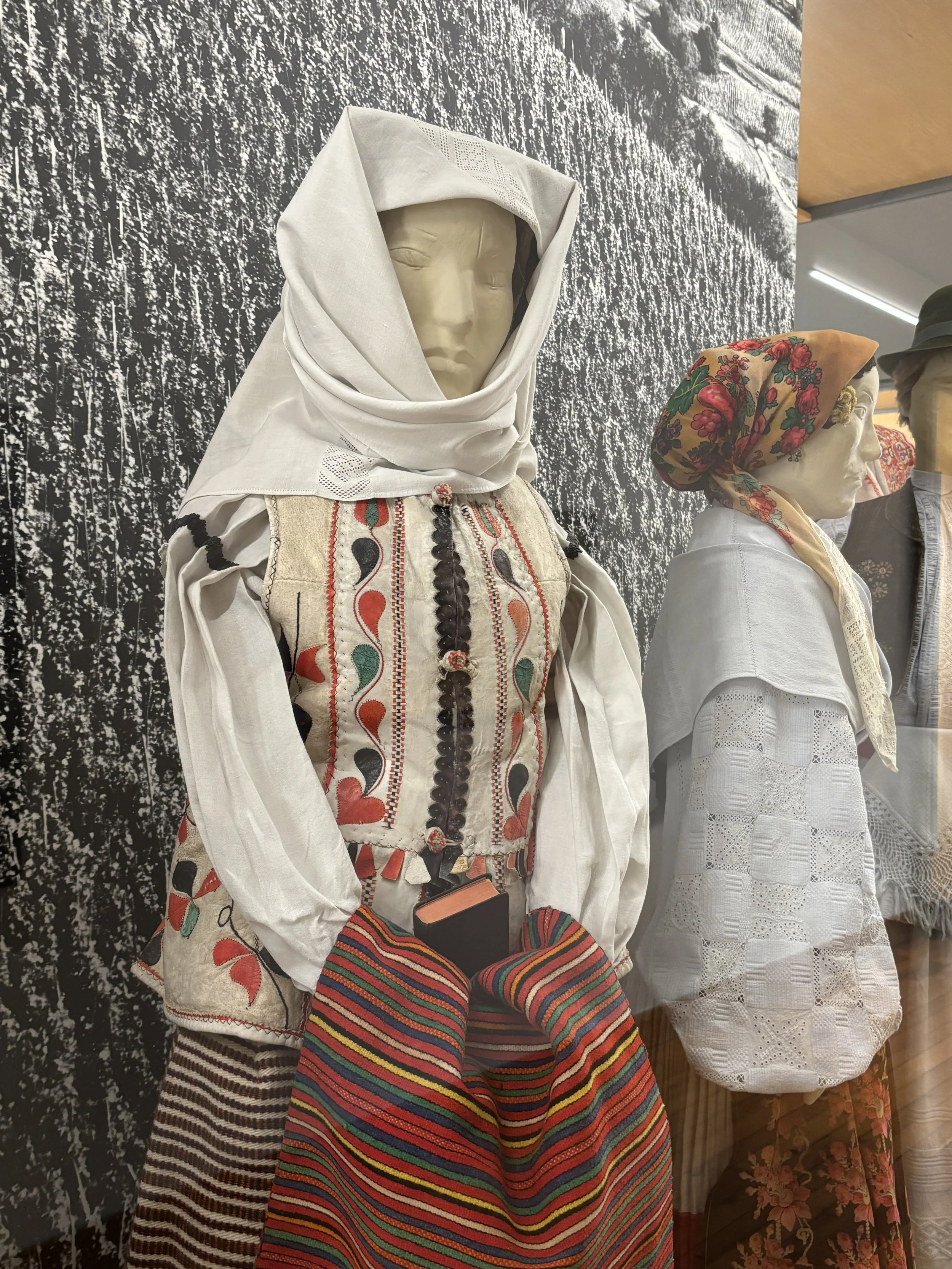
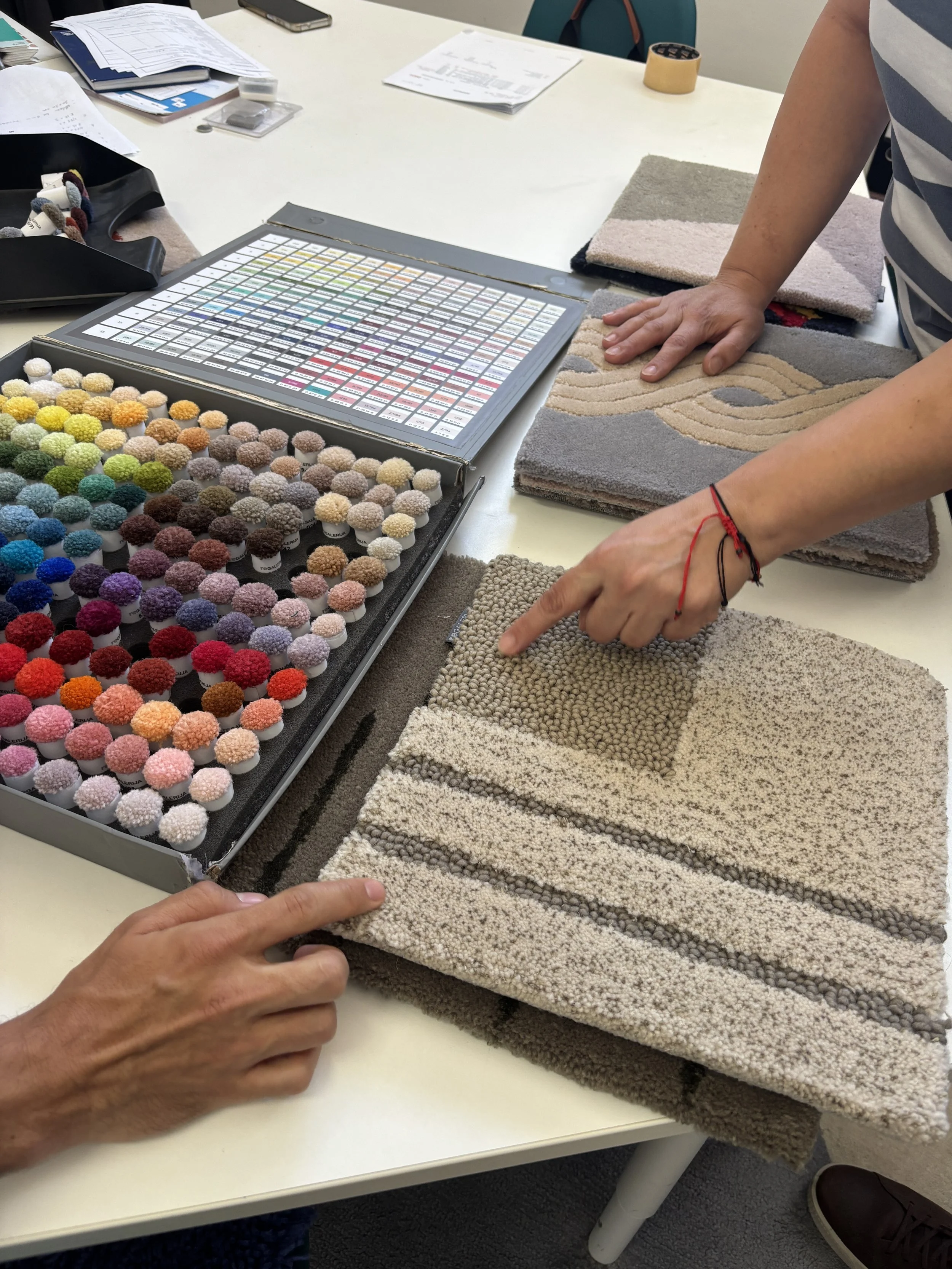
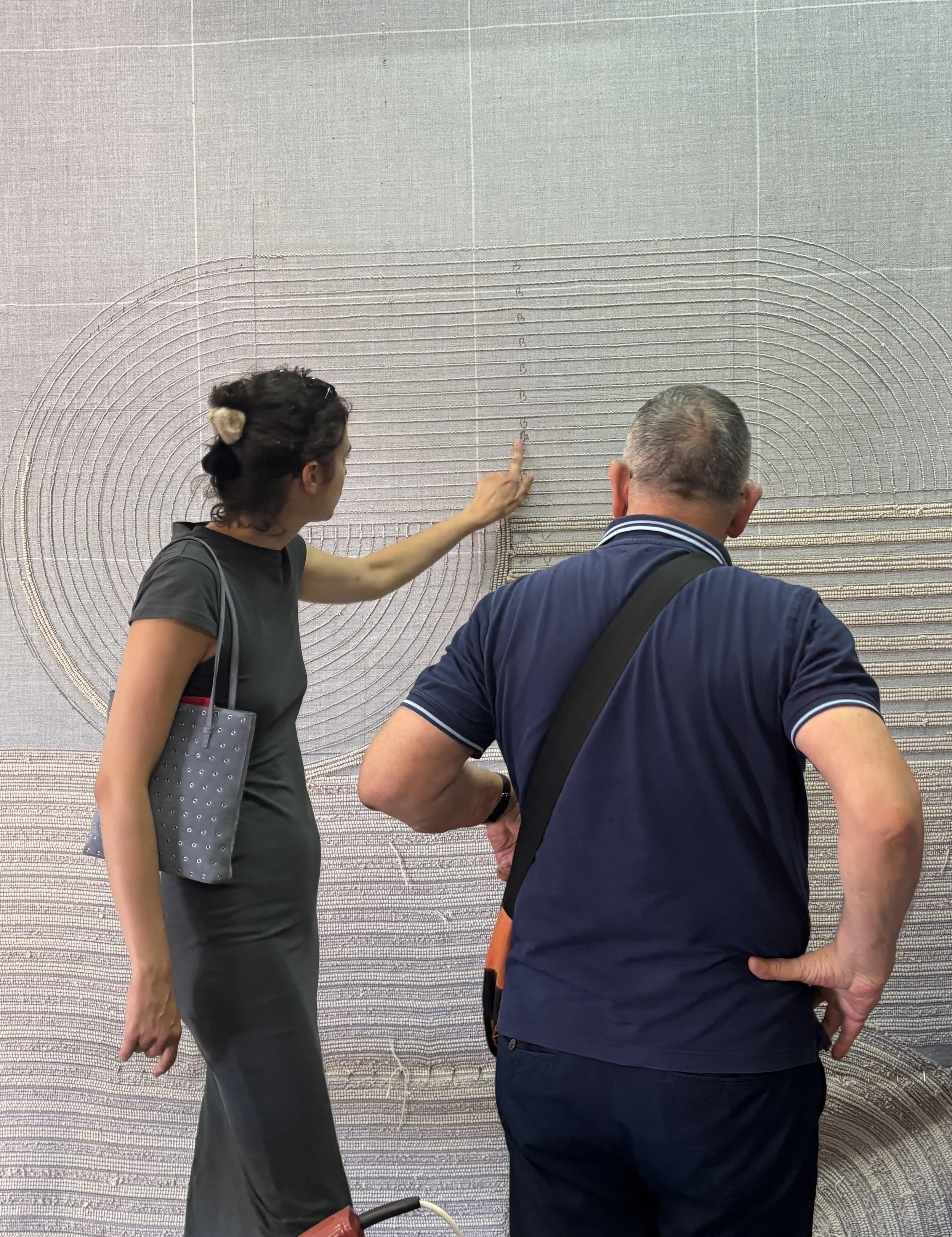
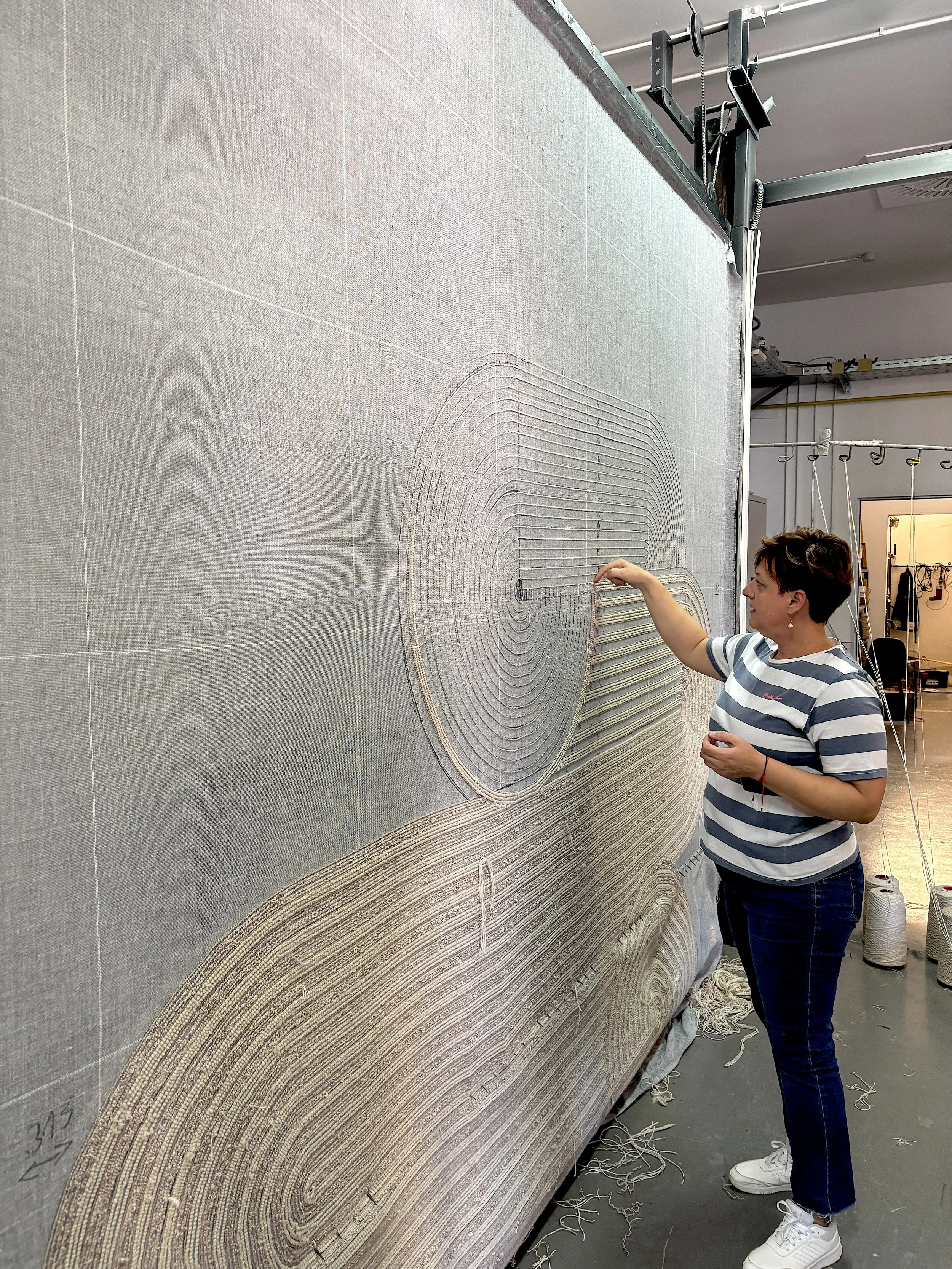
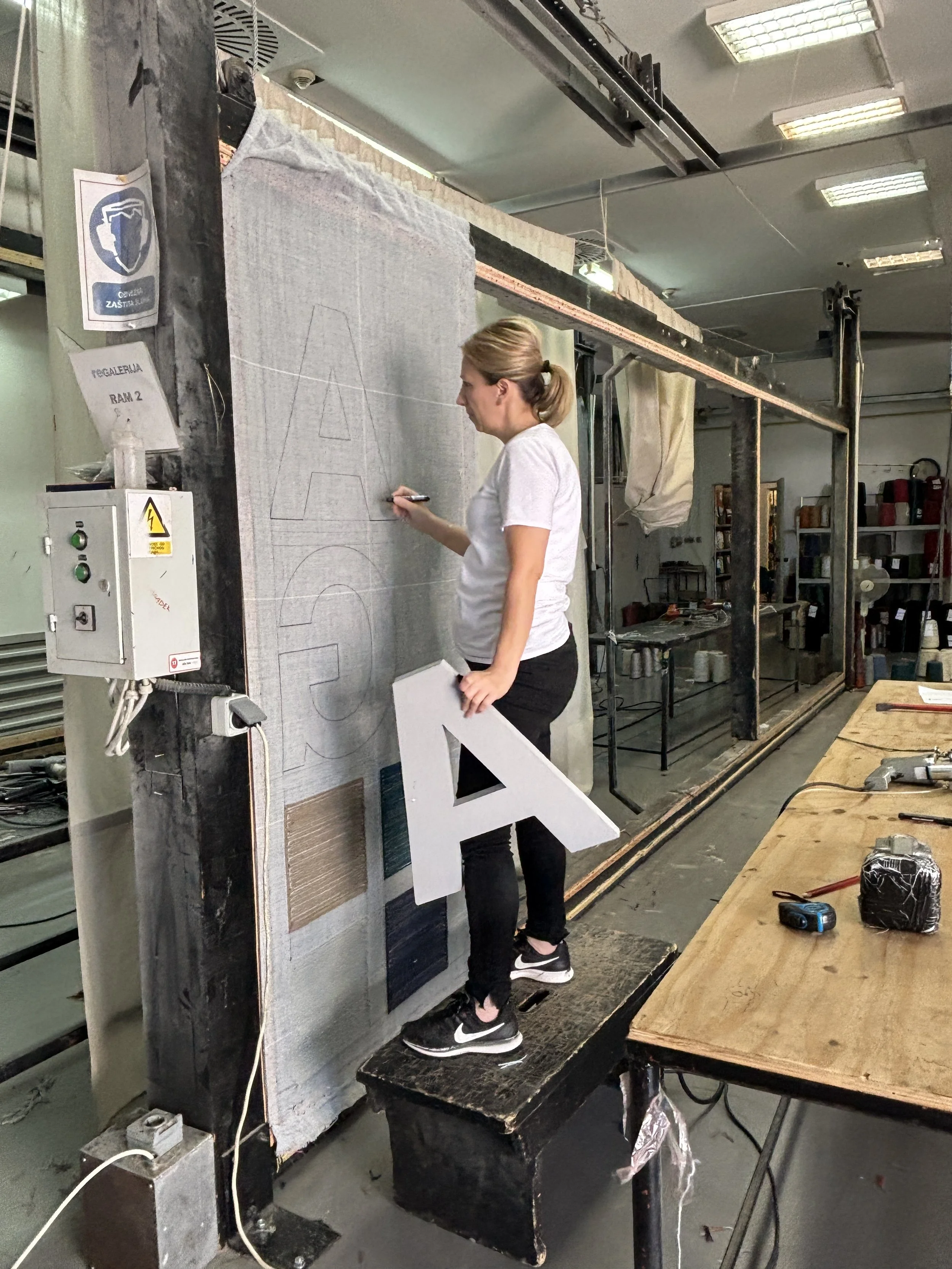
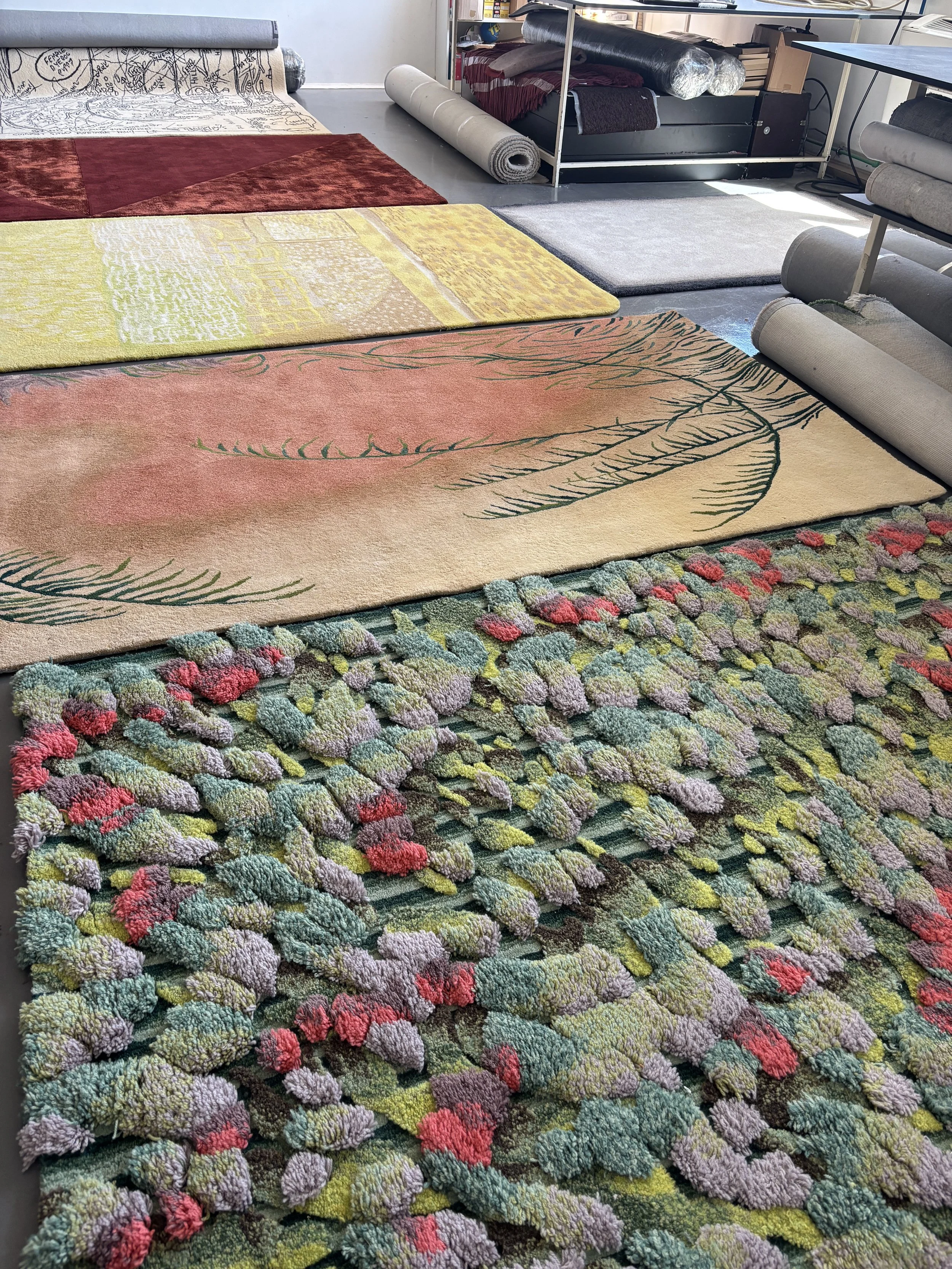
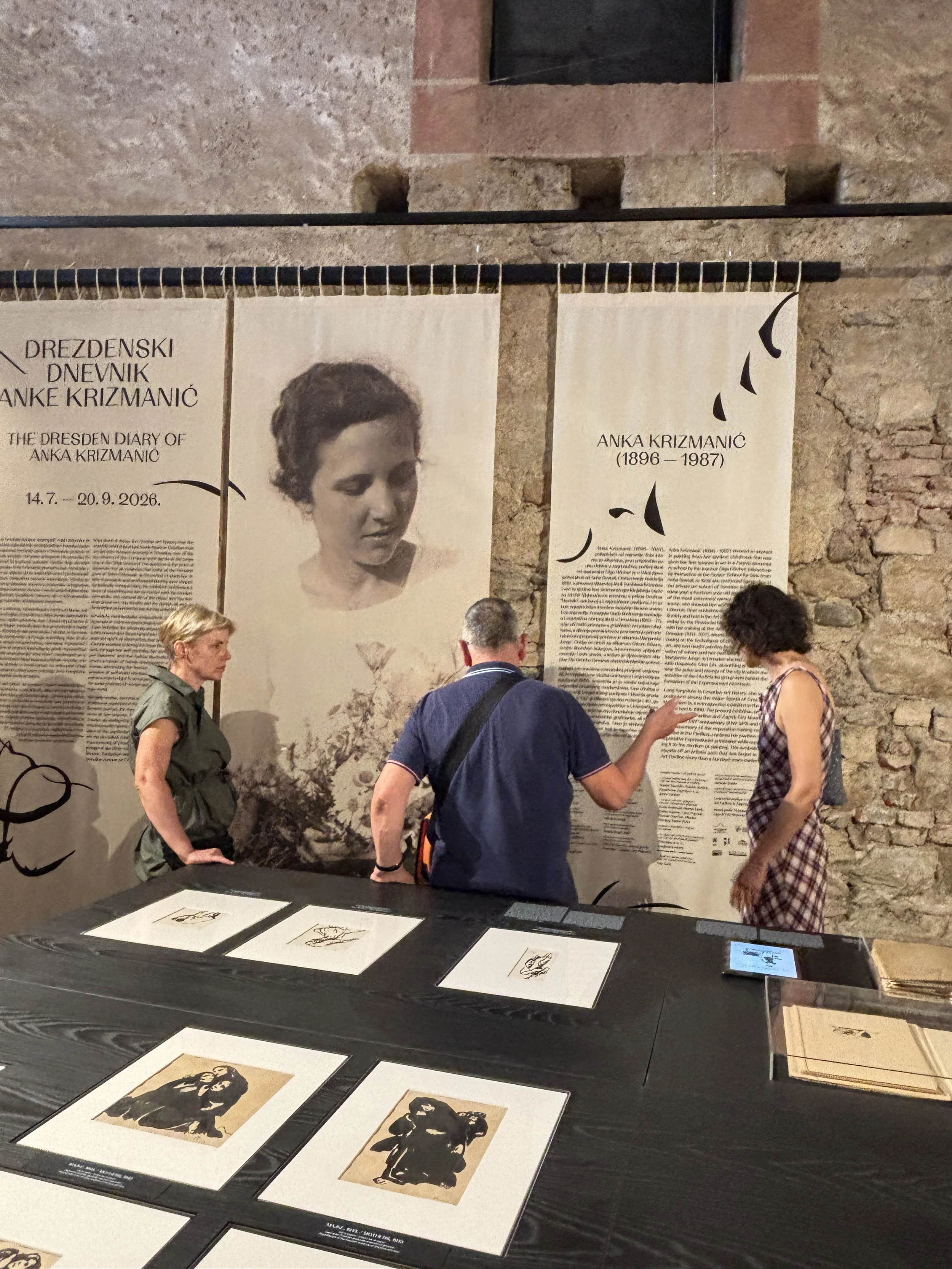
The programme extended beyond studio visits. Branko visited the Ethnographic Museum of Zagreb, where exhibitions on traditional clothing, migration, colonial histories and the politics of collecting offered different perspectives on cultural heritage. At the Museum of the City of Zagreb, he met curator and conservator Maja Arčabić and explored the museum's fashion, accessories and textile collections behind the scenes. A visit to Regalerija in Zabok offered insight into Croatia's tradition of carpet and tapestry production and its ongoing collaborations with artists, designers and architects. The residency also included a visit to Organ Vida, the international festival for expanded photography and hybrid image-based practices.
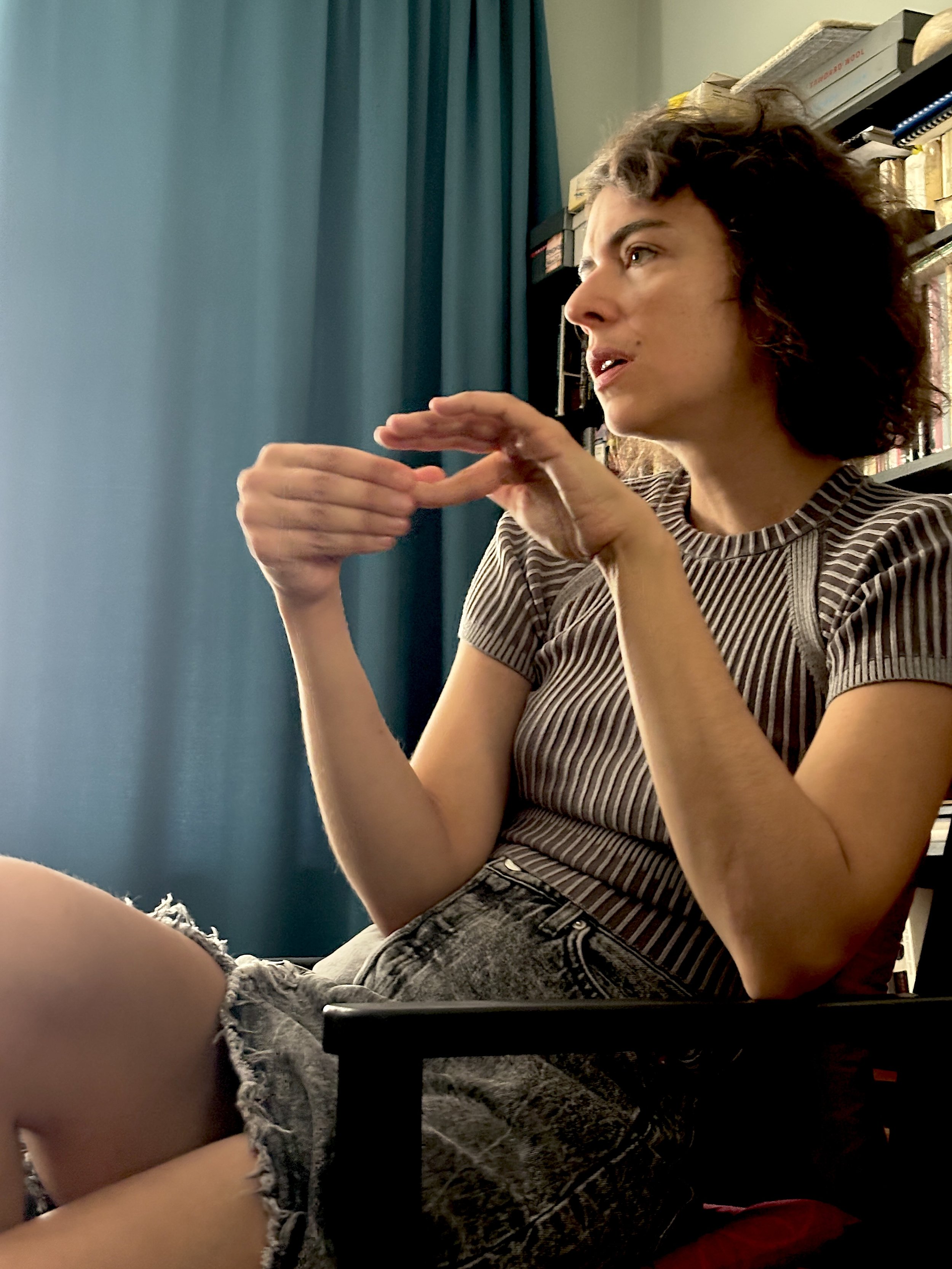
A particularly important part of the residency was the exchange with Ante 'Tonči' Vladislavić, one of CIMO's founders and a key figure in Croatian fashion. Through conversations and walks through Zagreb, Branko learned more about the history of fashion in former Yugoslavia and Croatia, including Tonči's experiences with the international Modefest fashion events of the 1970s. These personal stories provided an insight into a fashion history that is not always visible through conventional archives and highlighted the importance of oral history, personal memory and lived experience.
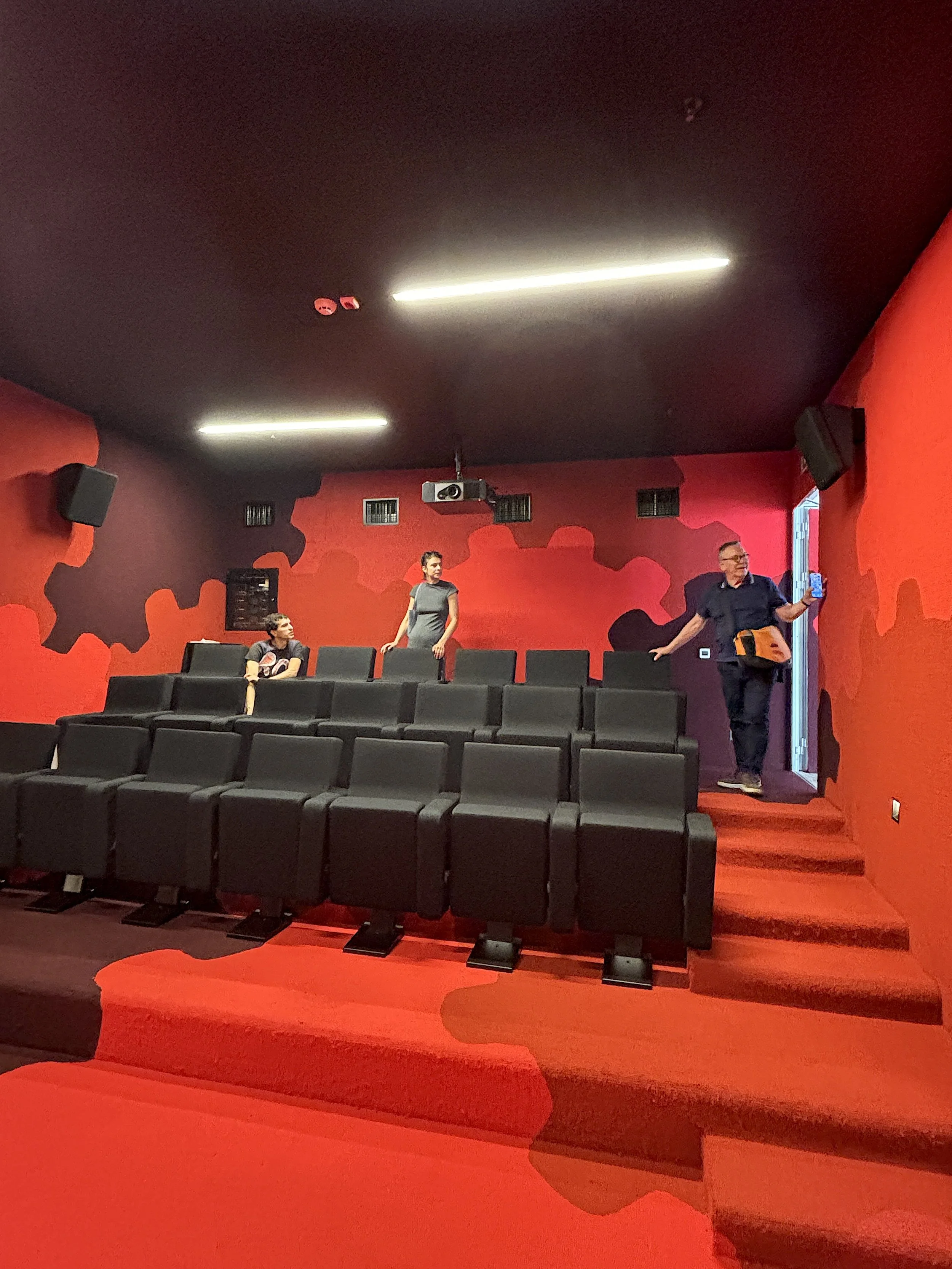
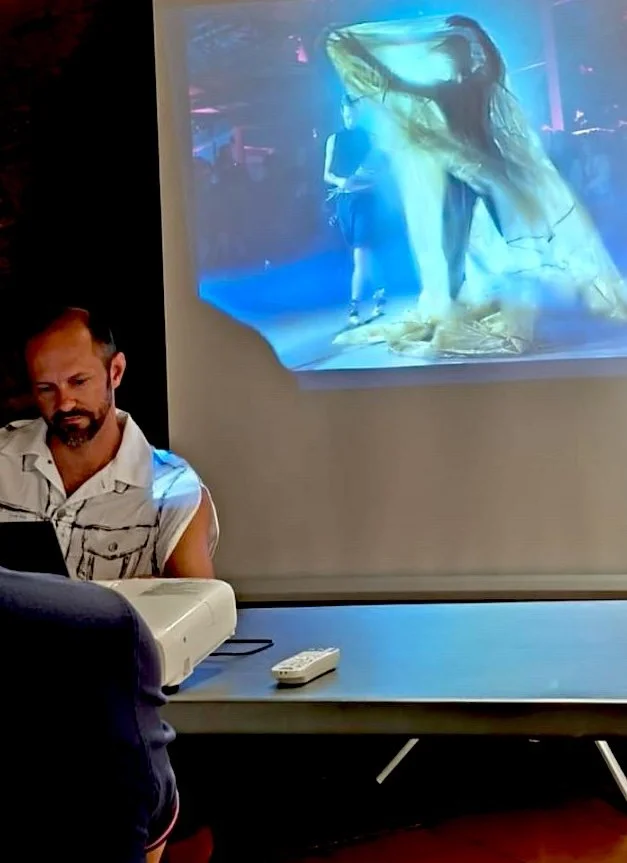
For Branko, the residency also had a personal dimension. Zagreb is his birthplace, but he left Croatia with his family as a young child and grew up in the Netherlands. Returning to the city as an adult, through the professional context of fashion and culture, offered a new way of connecting with his place of origin. During the final event of the residency, he presented a selection of fashion films produced by FASHIONCLASH and films from the festival programme at the Museum of the City of Zagreb. It was the first time he presented his professional work in his birth language.
The residency created new connections between FASHIONCLASH, CIMO and the wider Croatian and regional fashion and textile field, while opening up opportunities for future exchange and collaboration. It also reinforced shared interests around cultural memory, textile heritage, emerging practices, experimentation and the role of fashion in imagining alternative ways of working and living.
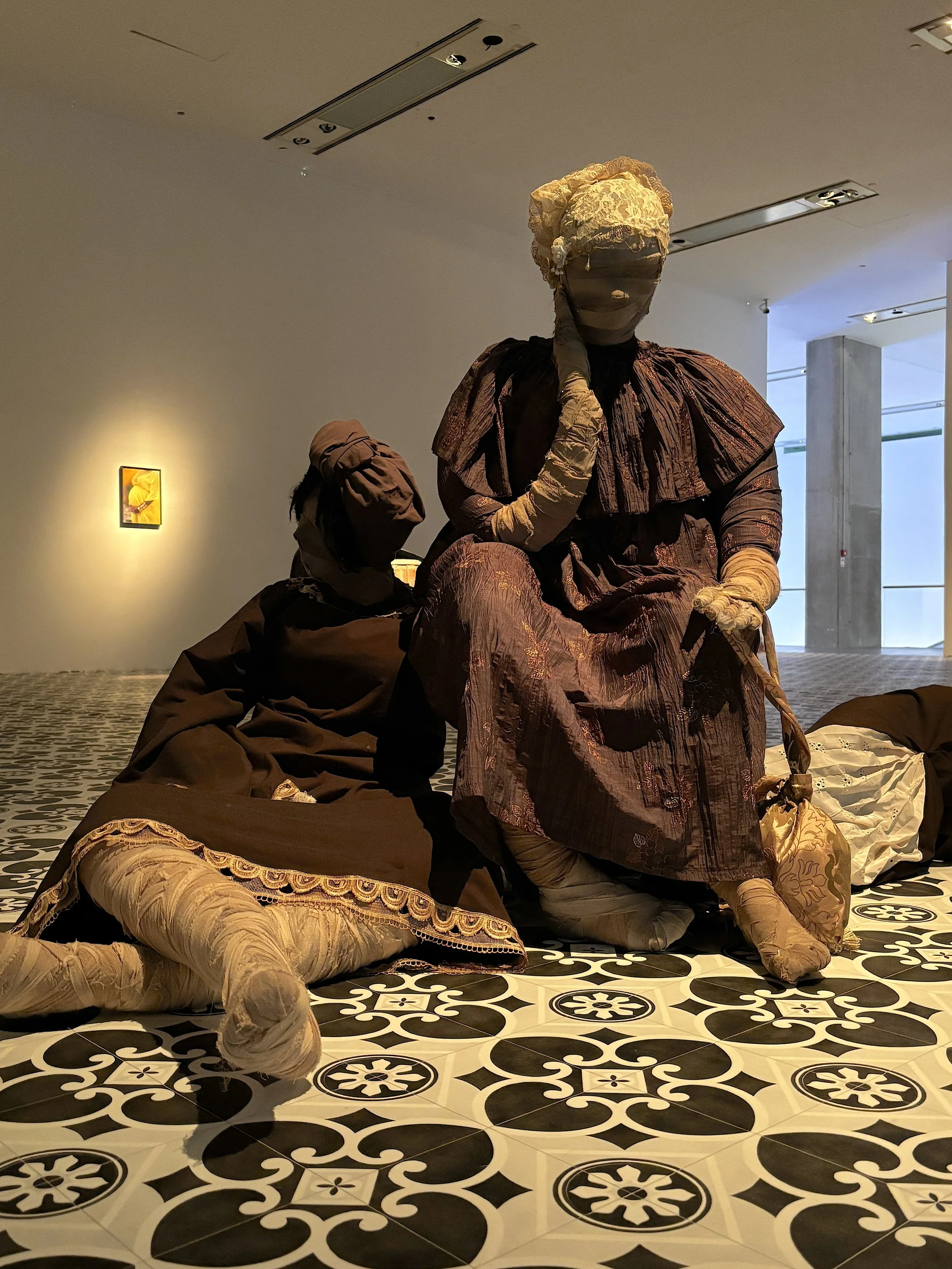
The residency concluded with a visit to the exhibition Ježeva kućica – Izmišljanje boljeg sveta (Imagining a Better World) at the Serbian Cultural Centre in Zagreb. The idea of imagining a better world became a fitting reflection on the week: across different generations and practices, the people Branko encountered are using fashion, textiles, research, archives and cultural exchange to question existing systems and create space for new possibilities.
Read the more detailed summary of the residency on Branko’s blog
More information about CIMO: www.cimo.hr