Science Fashion — A Recap from Rome
MACRO – Museum of Contemporary Art, 13–15 May 2026
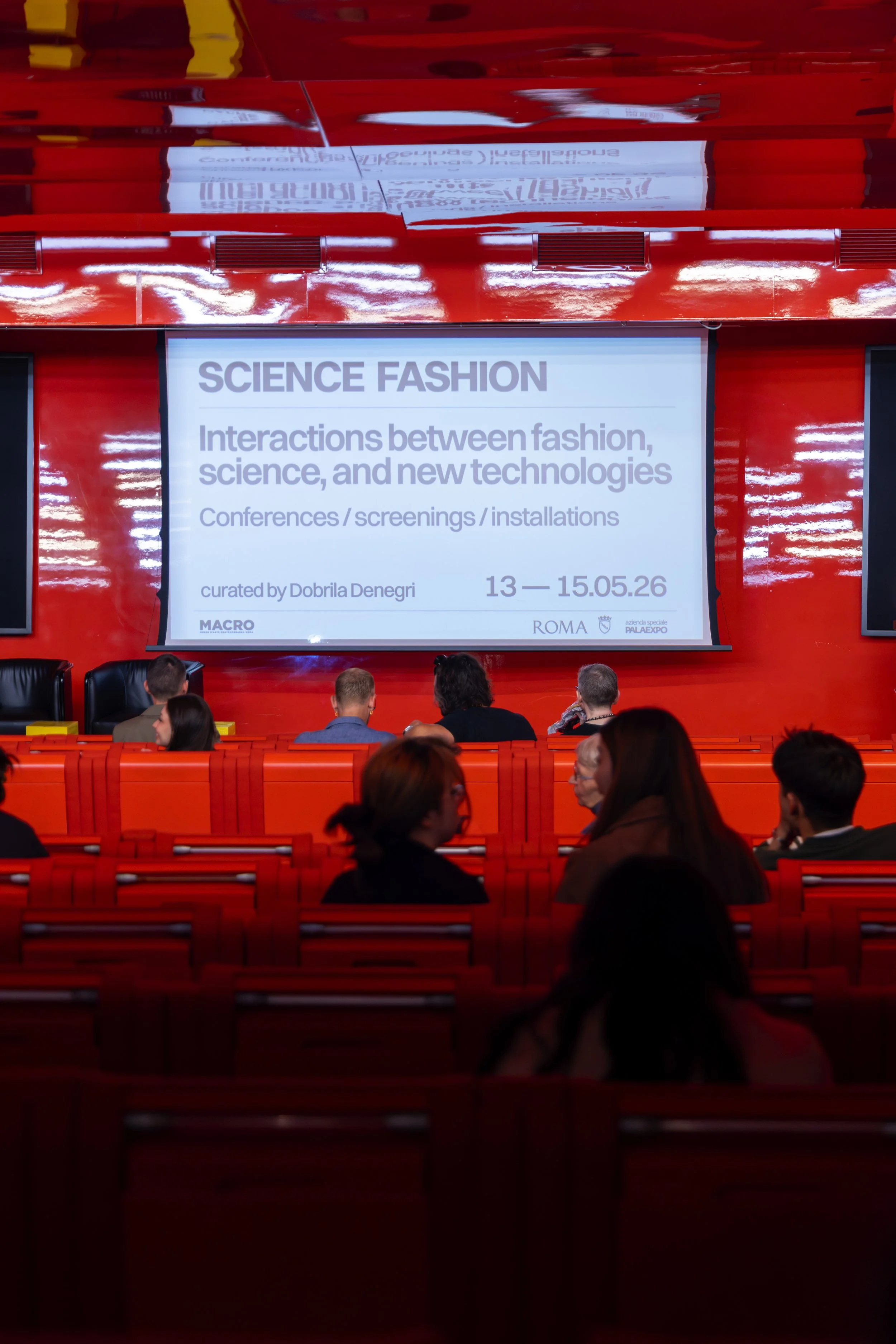
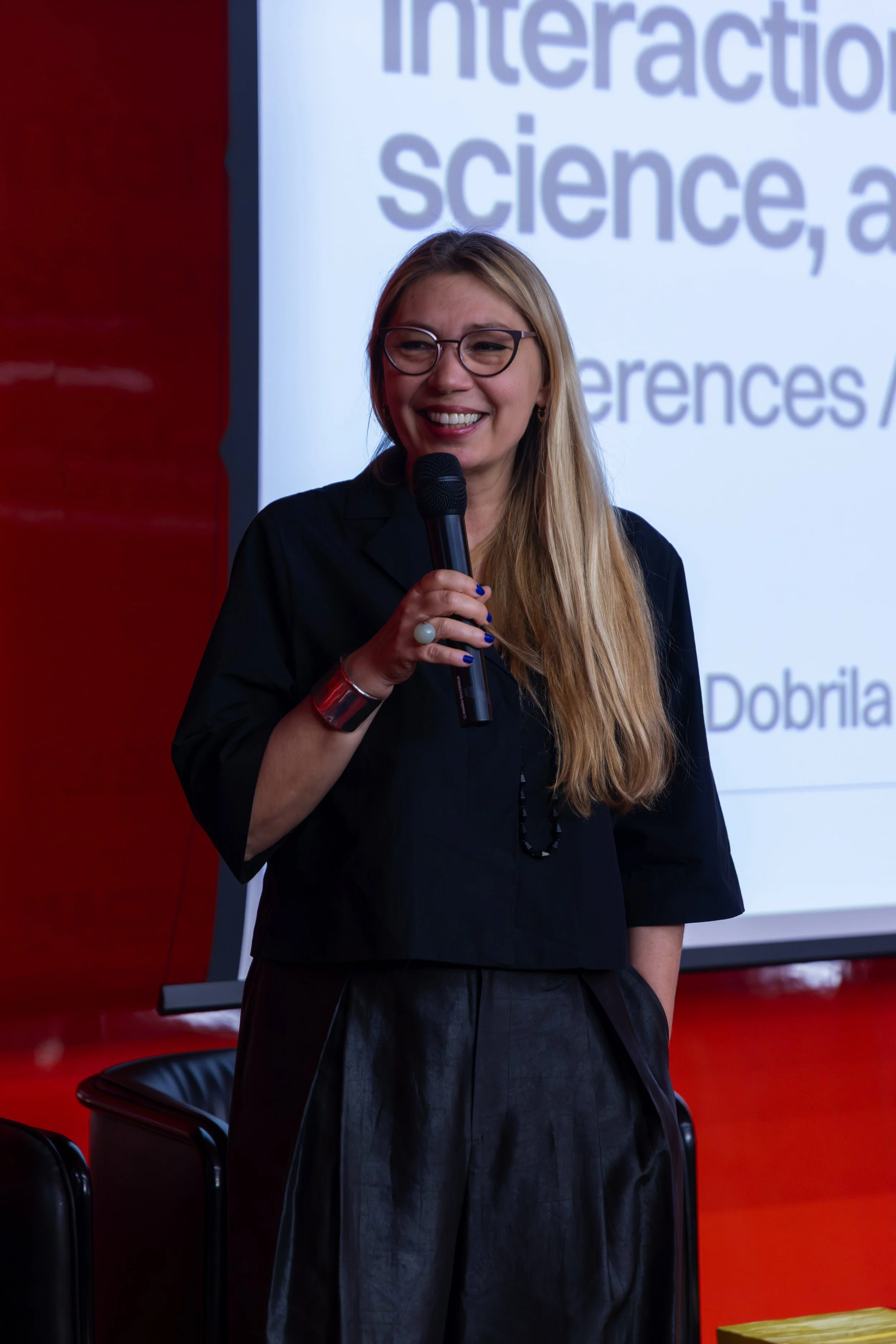
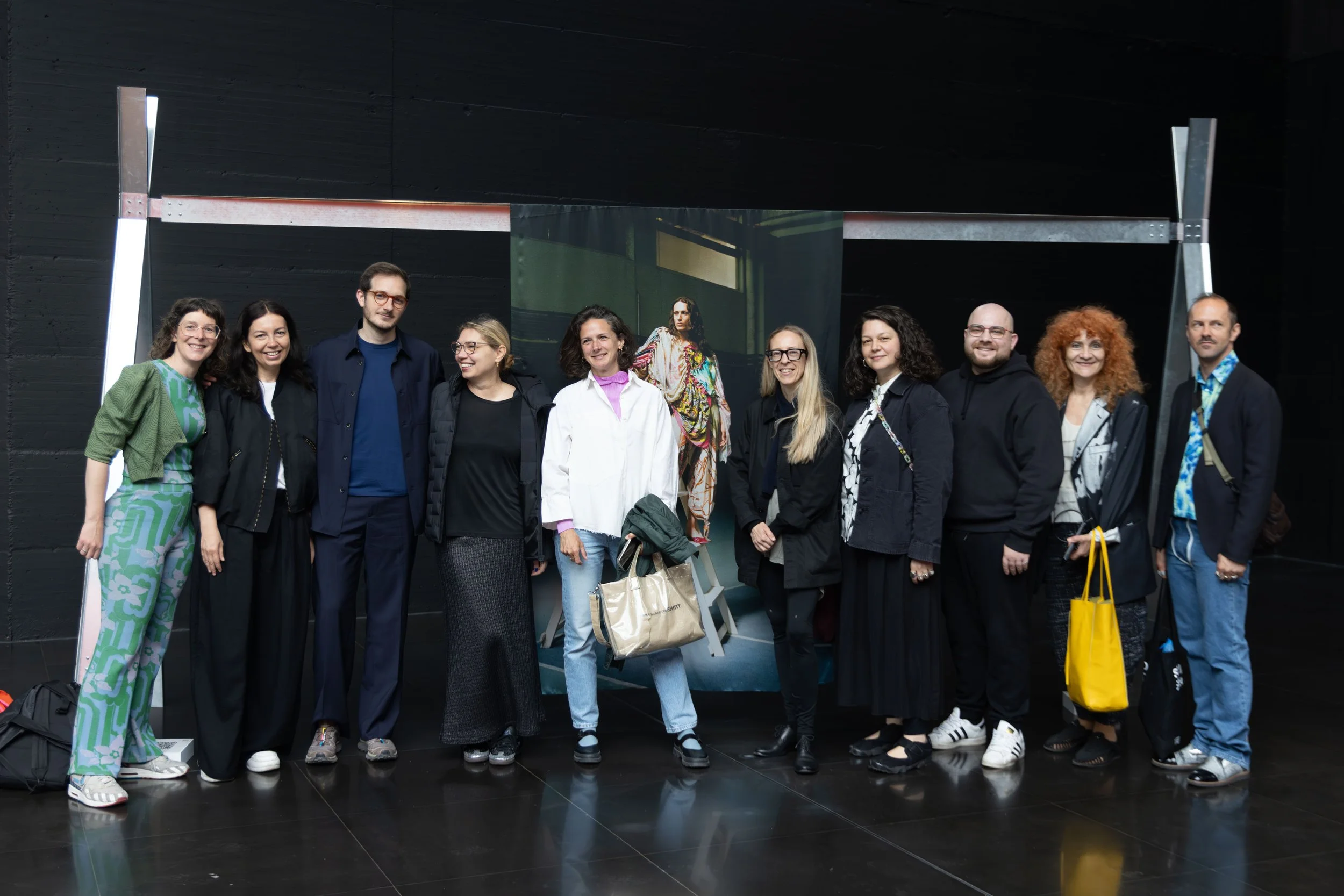
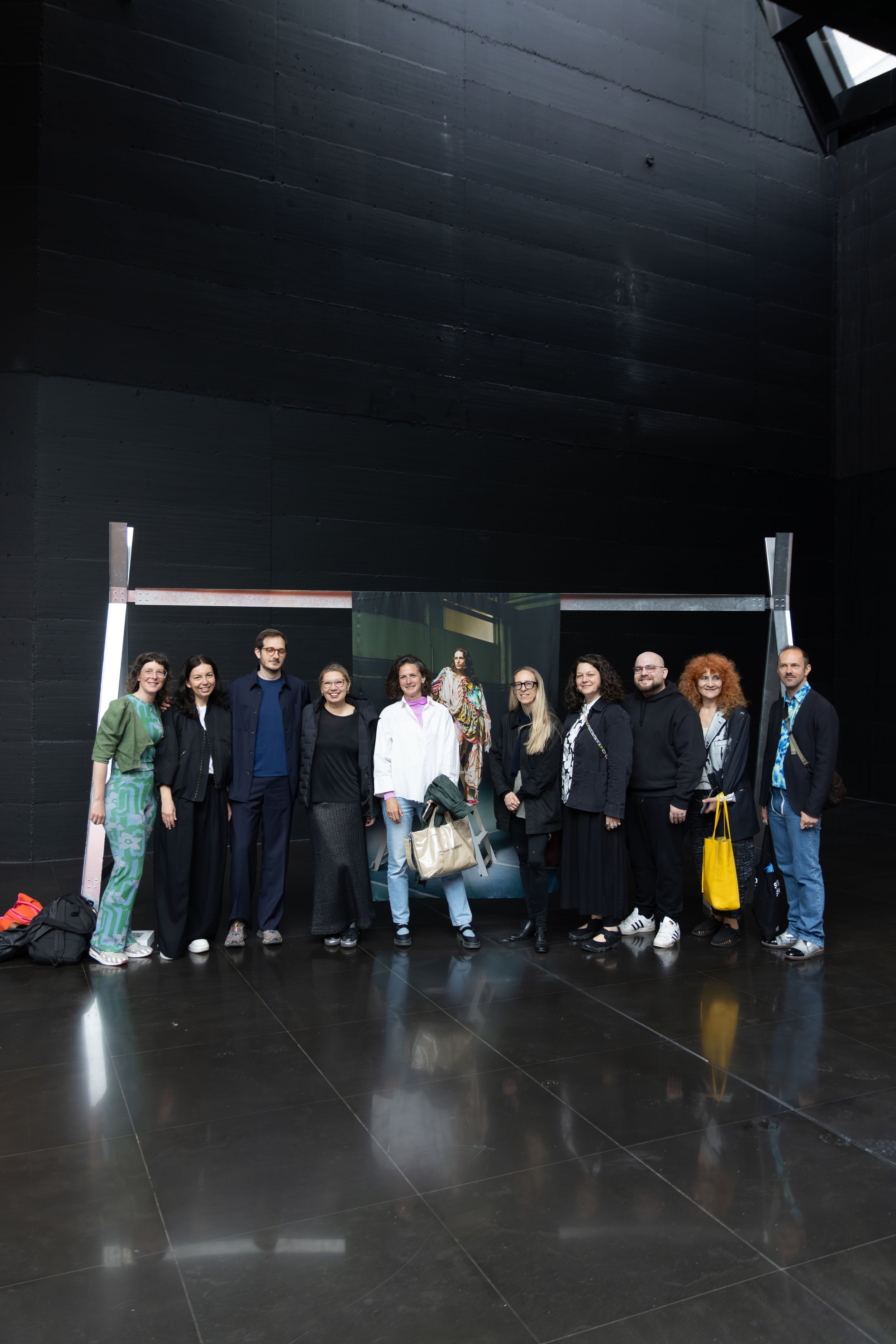
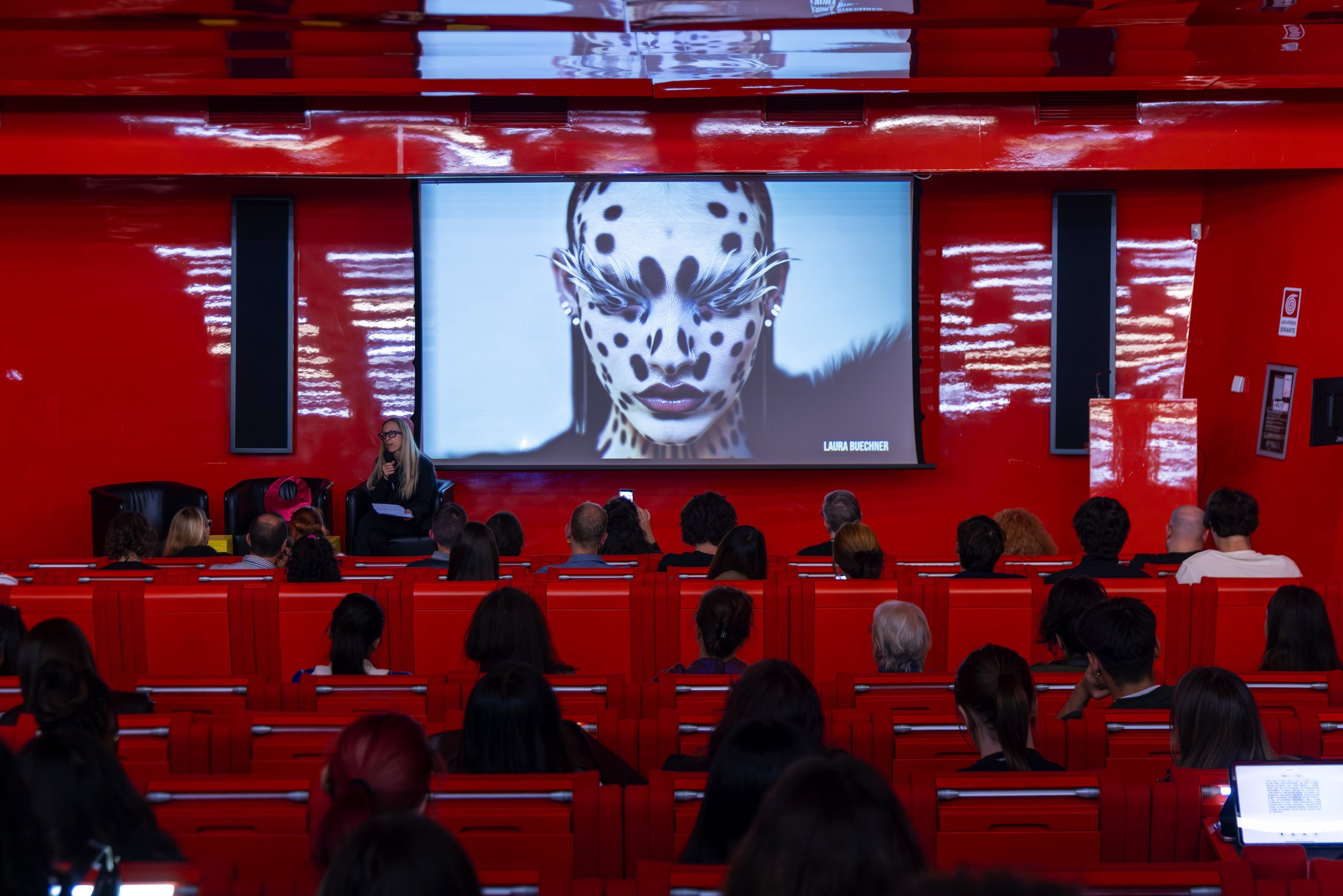
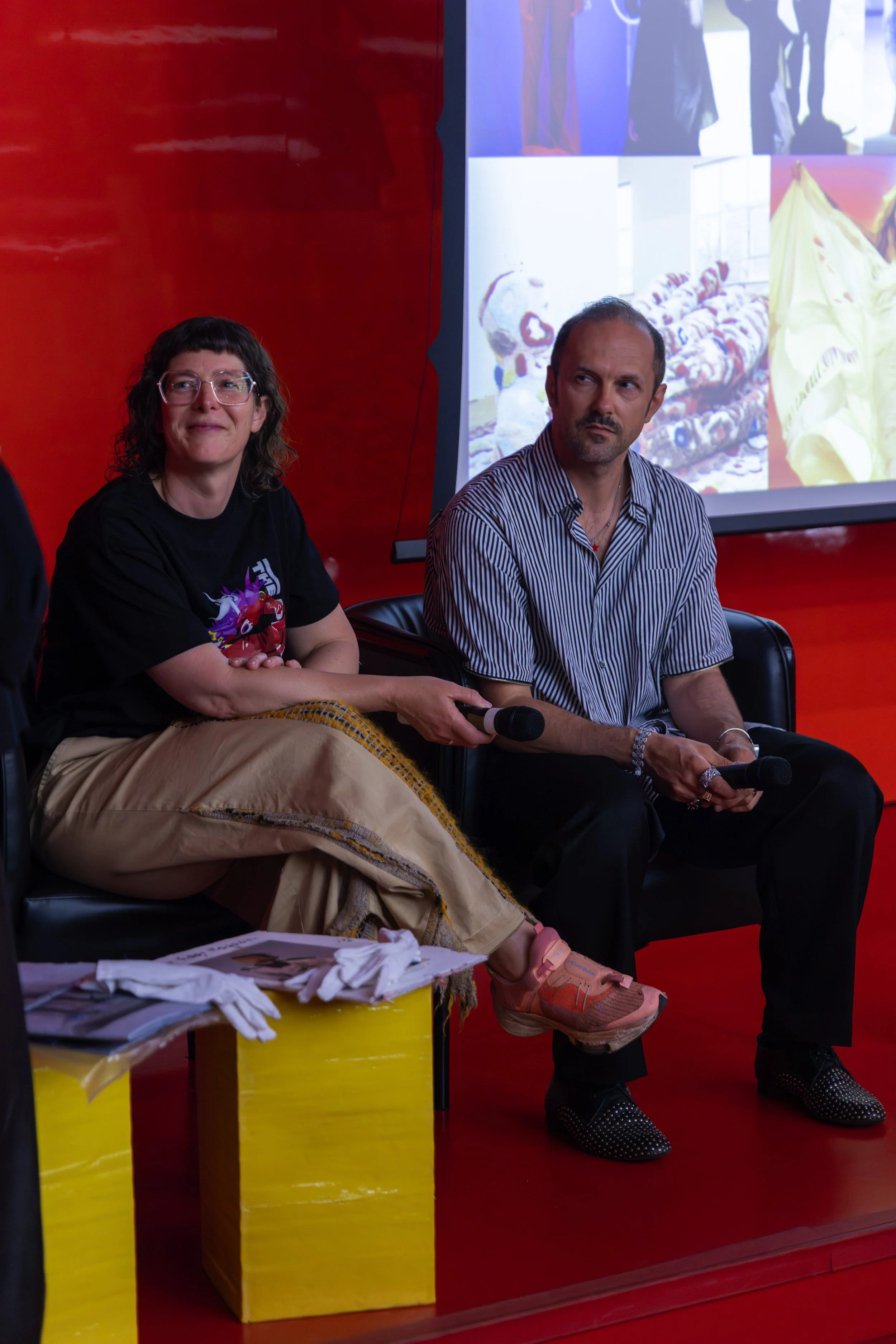
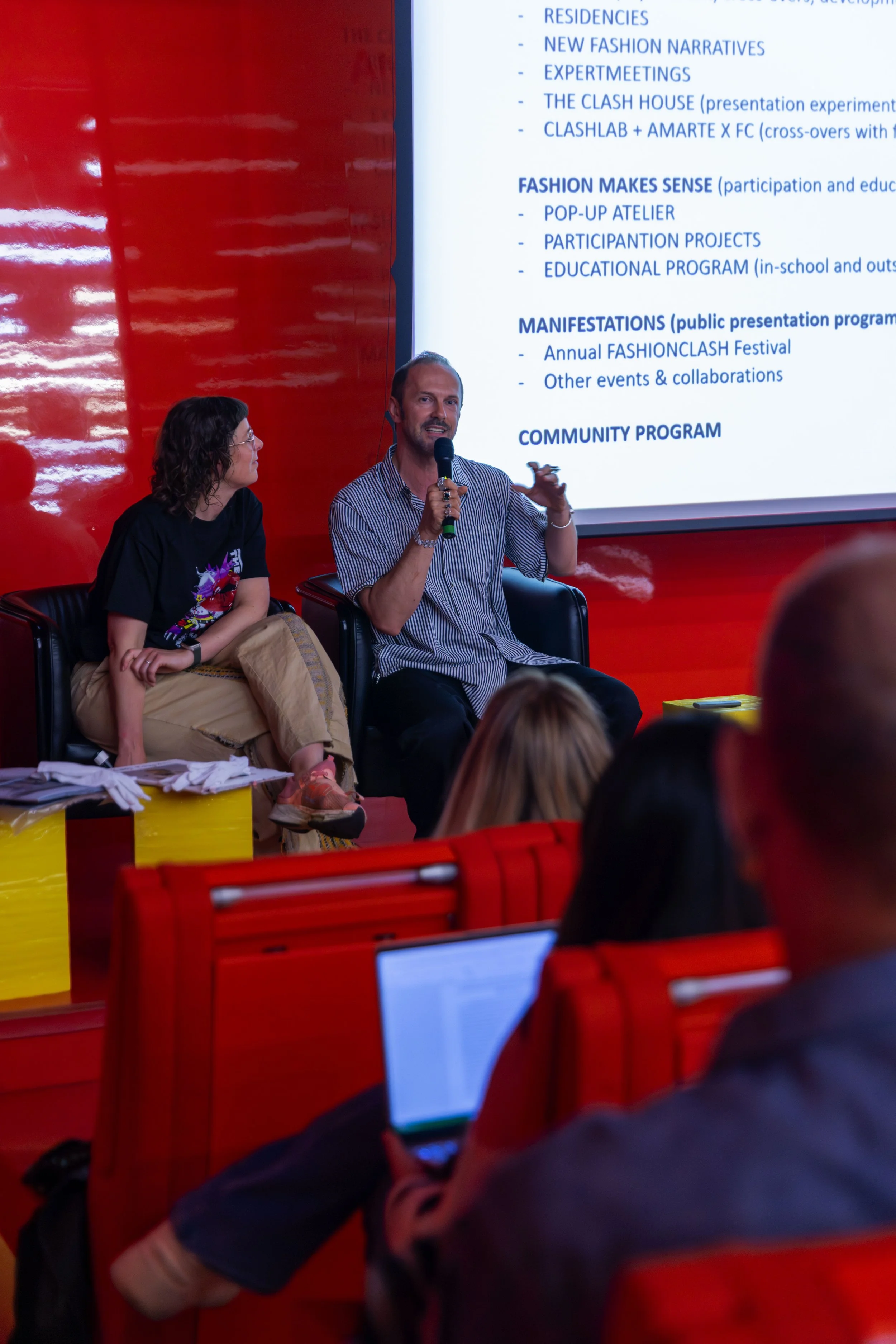
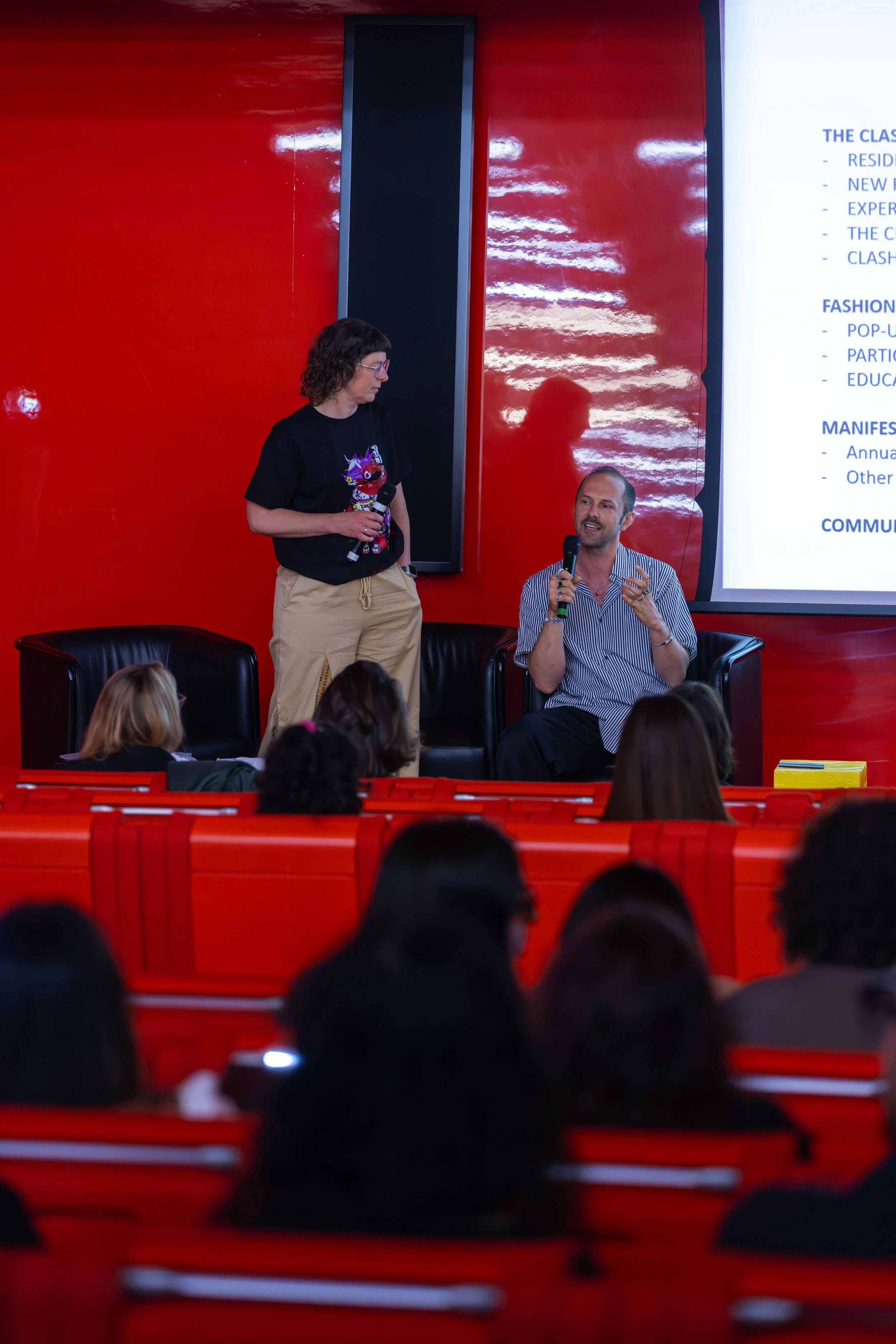
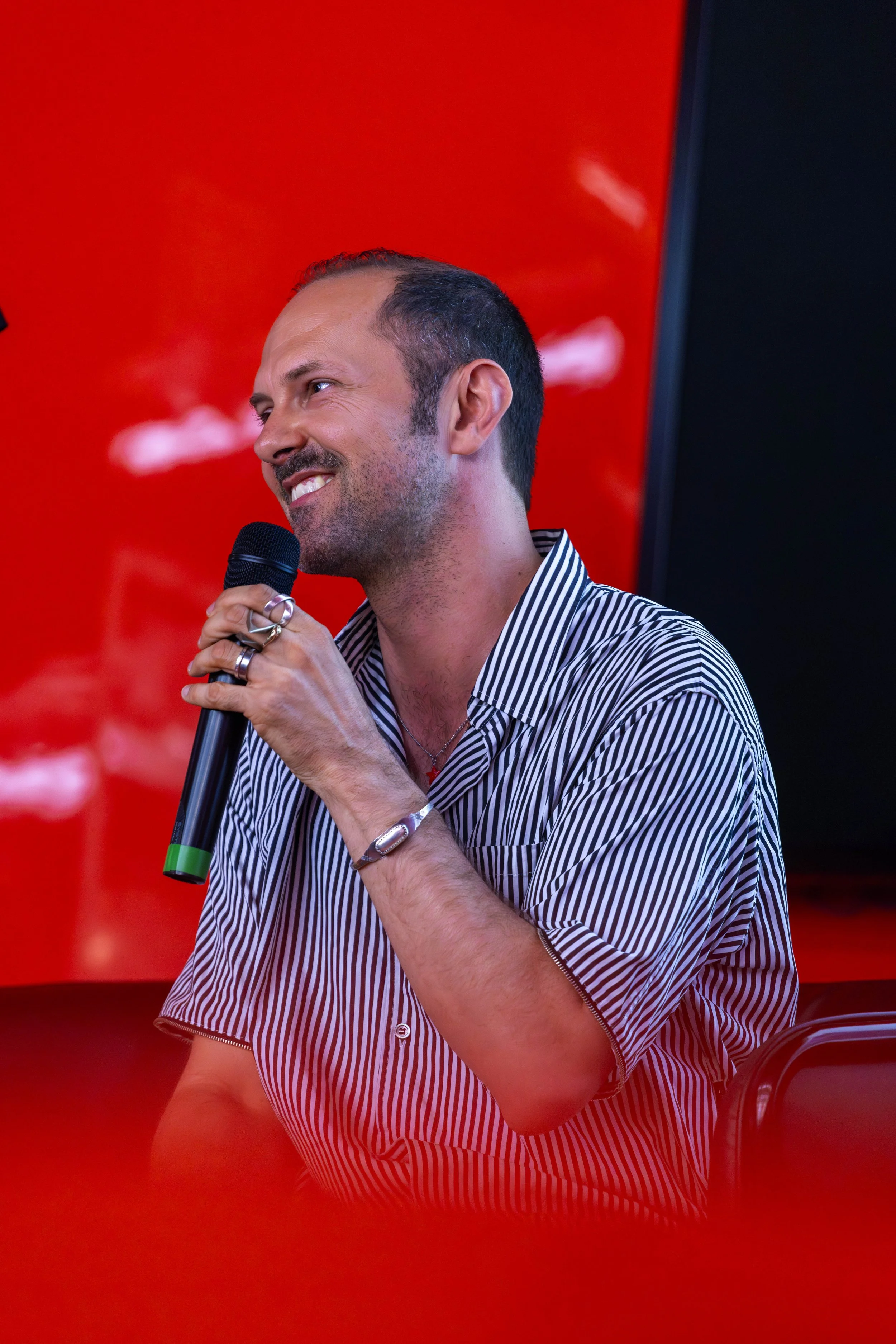
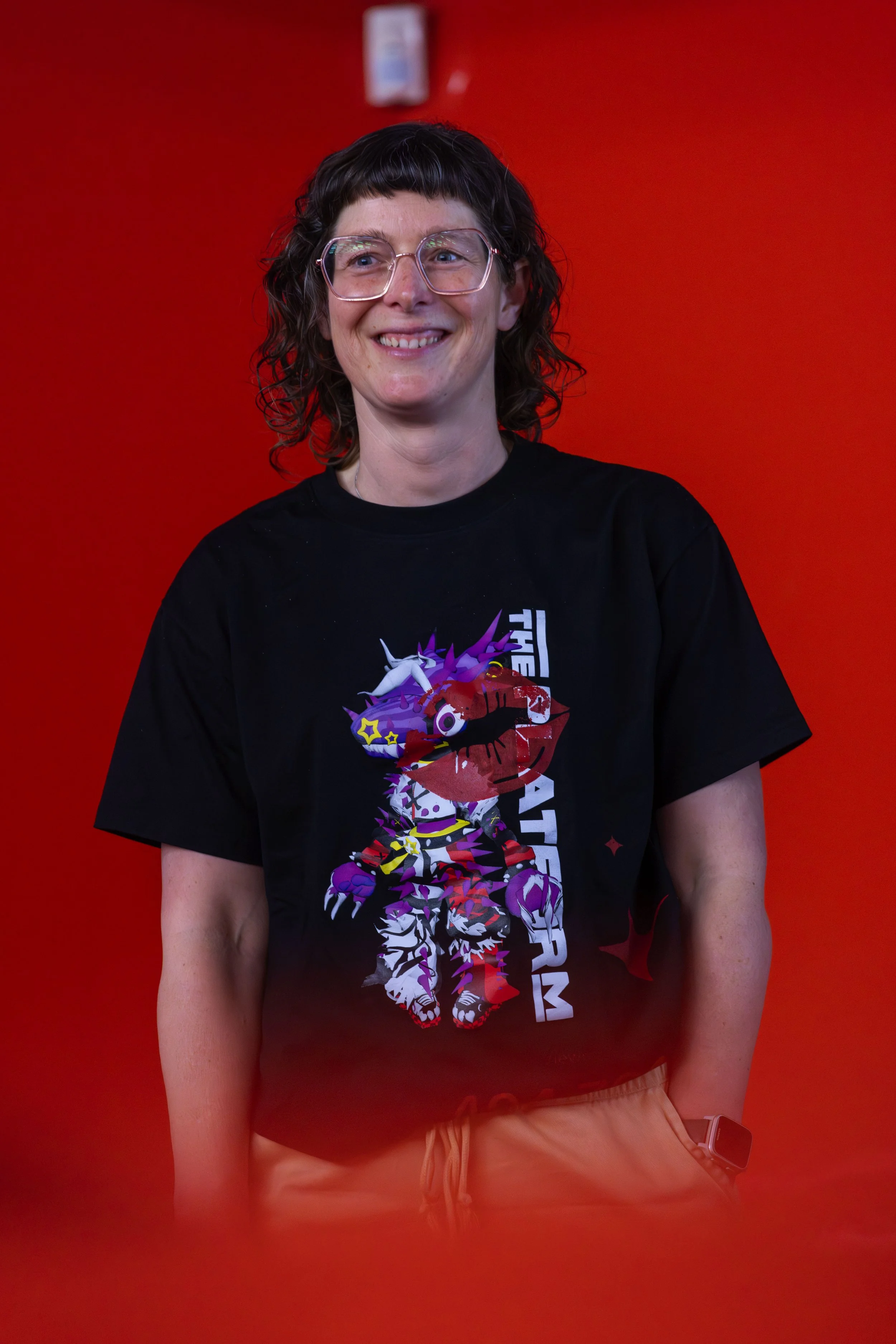
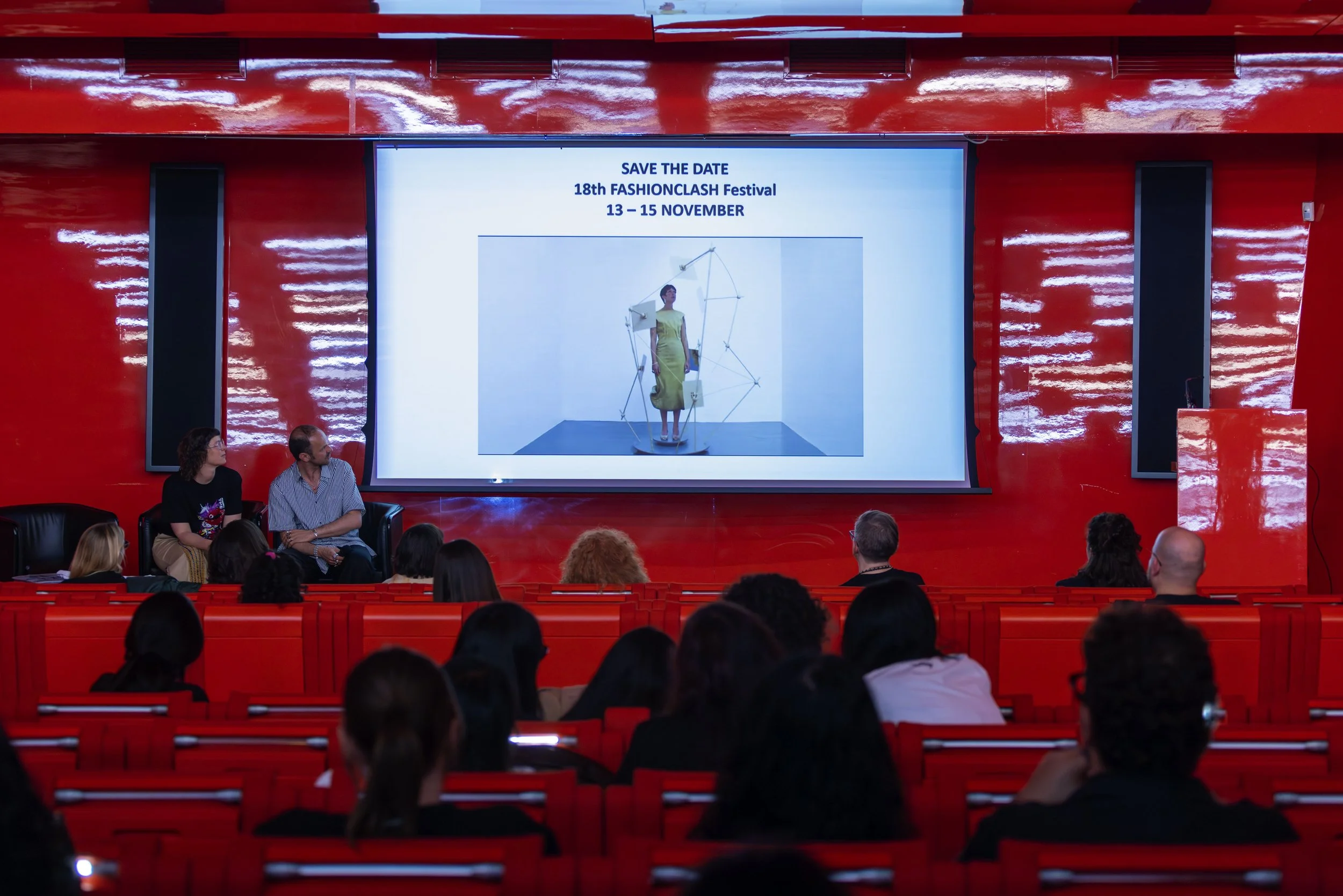
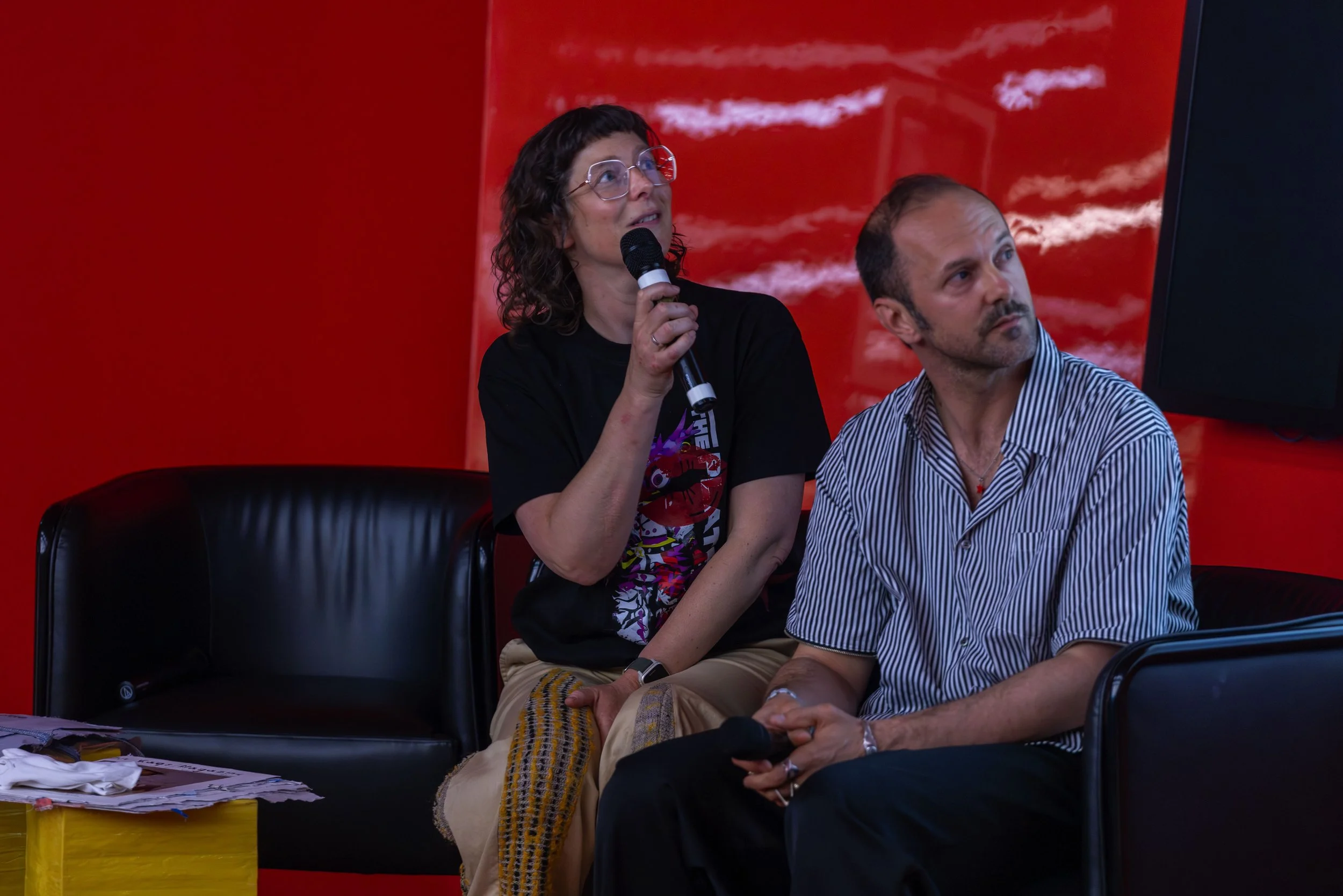
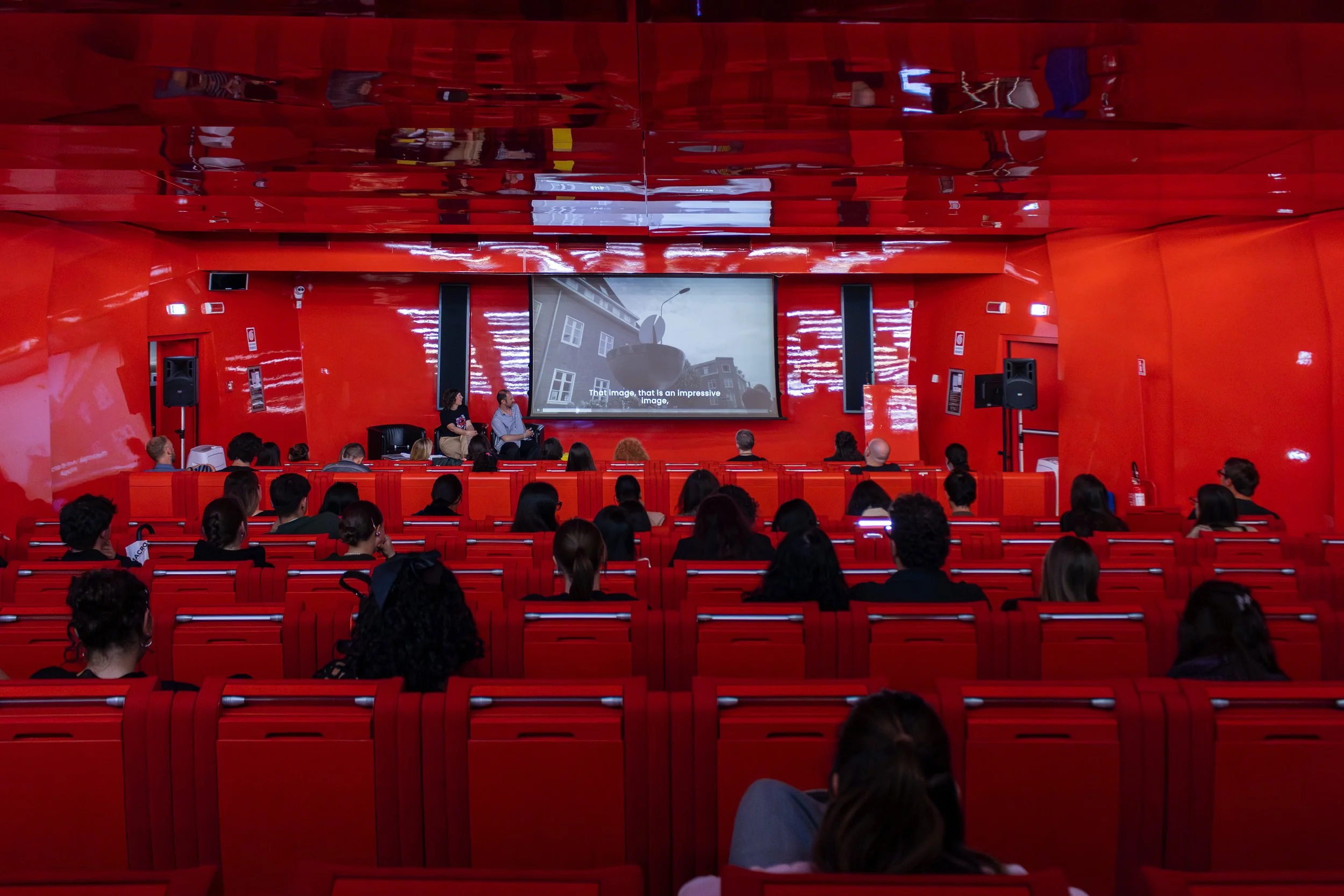
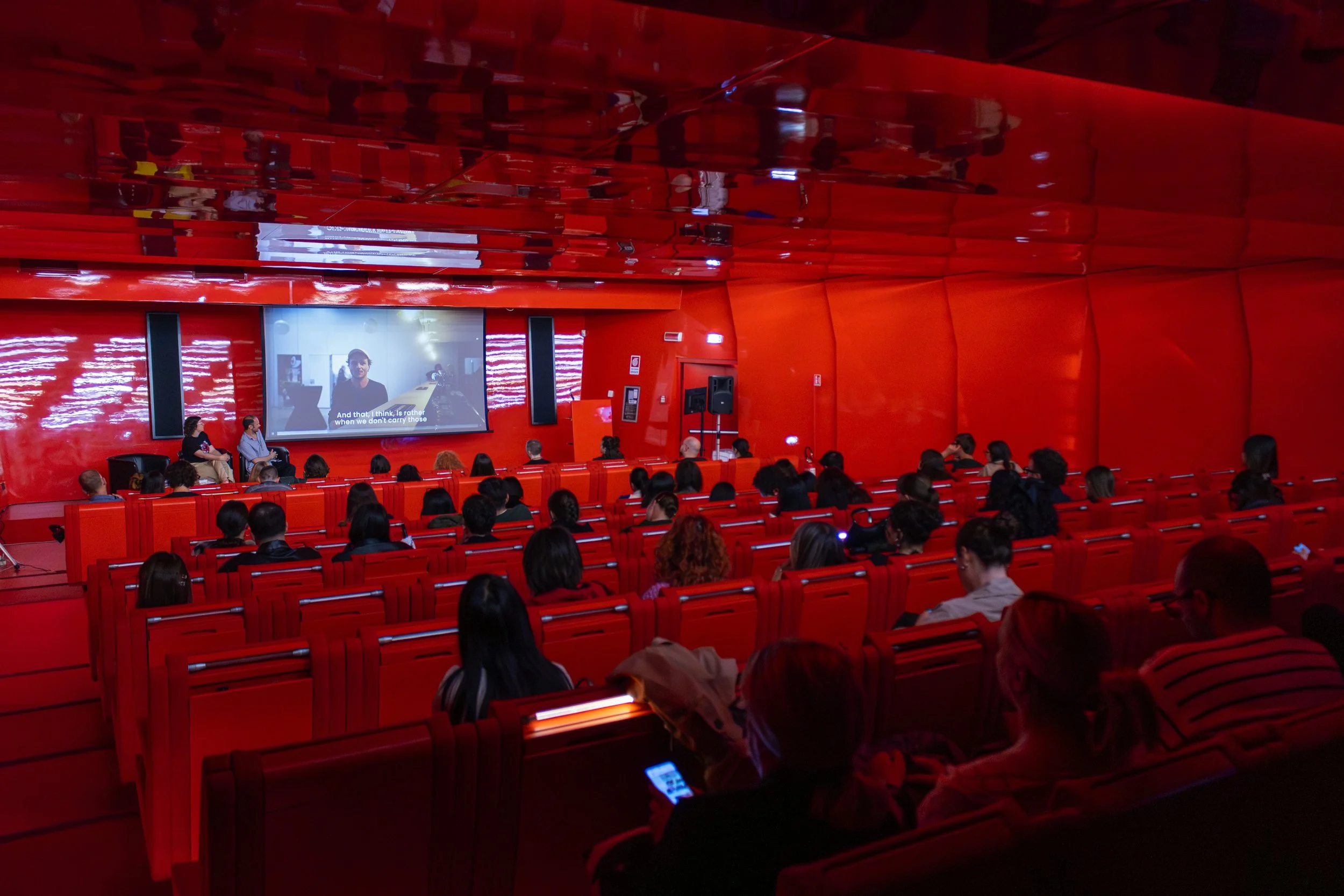
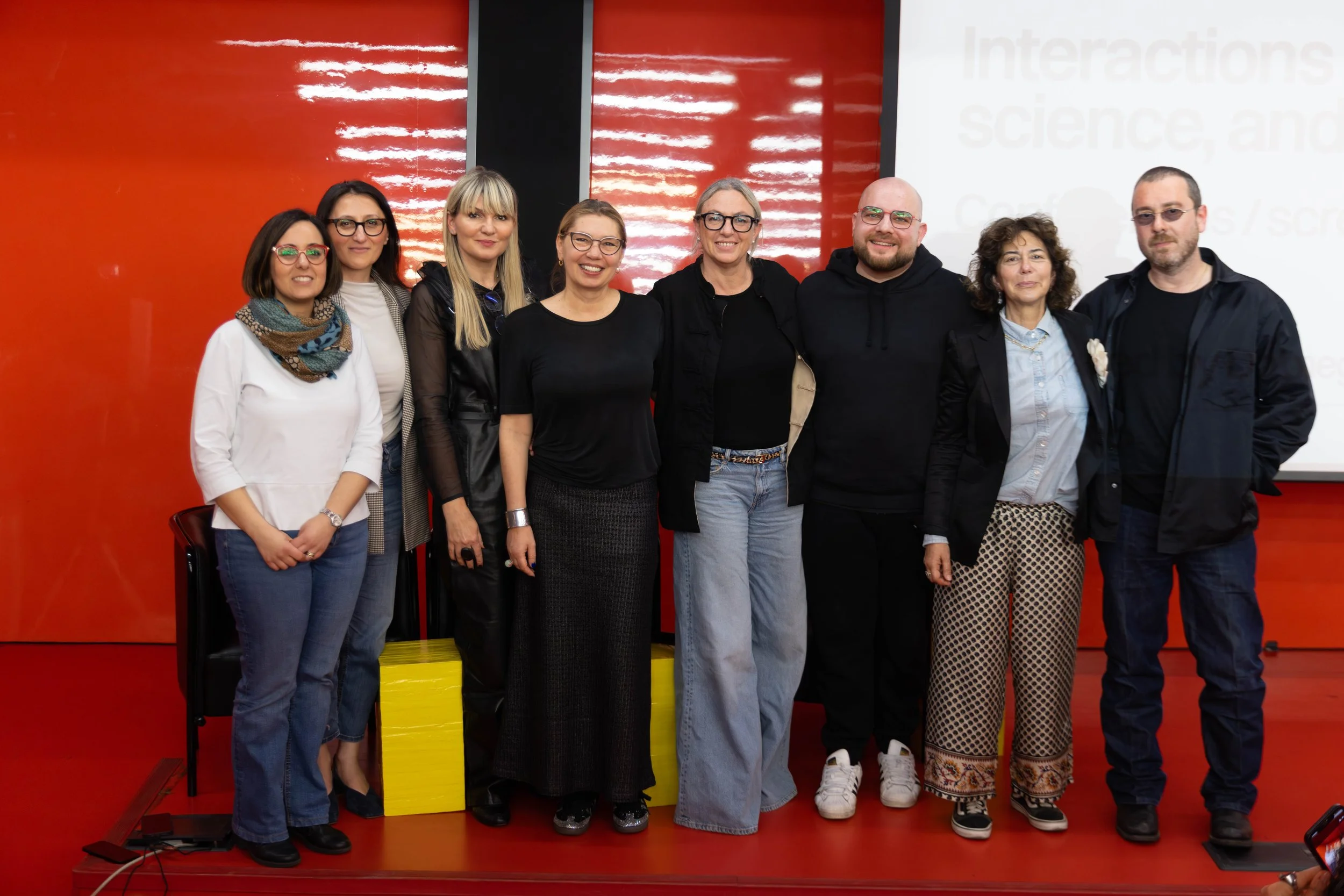
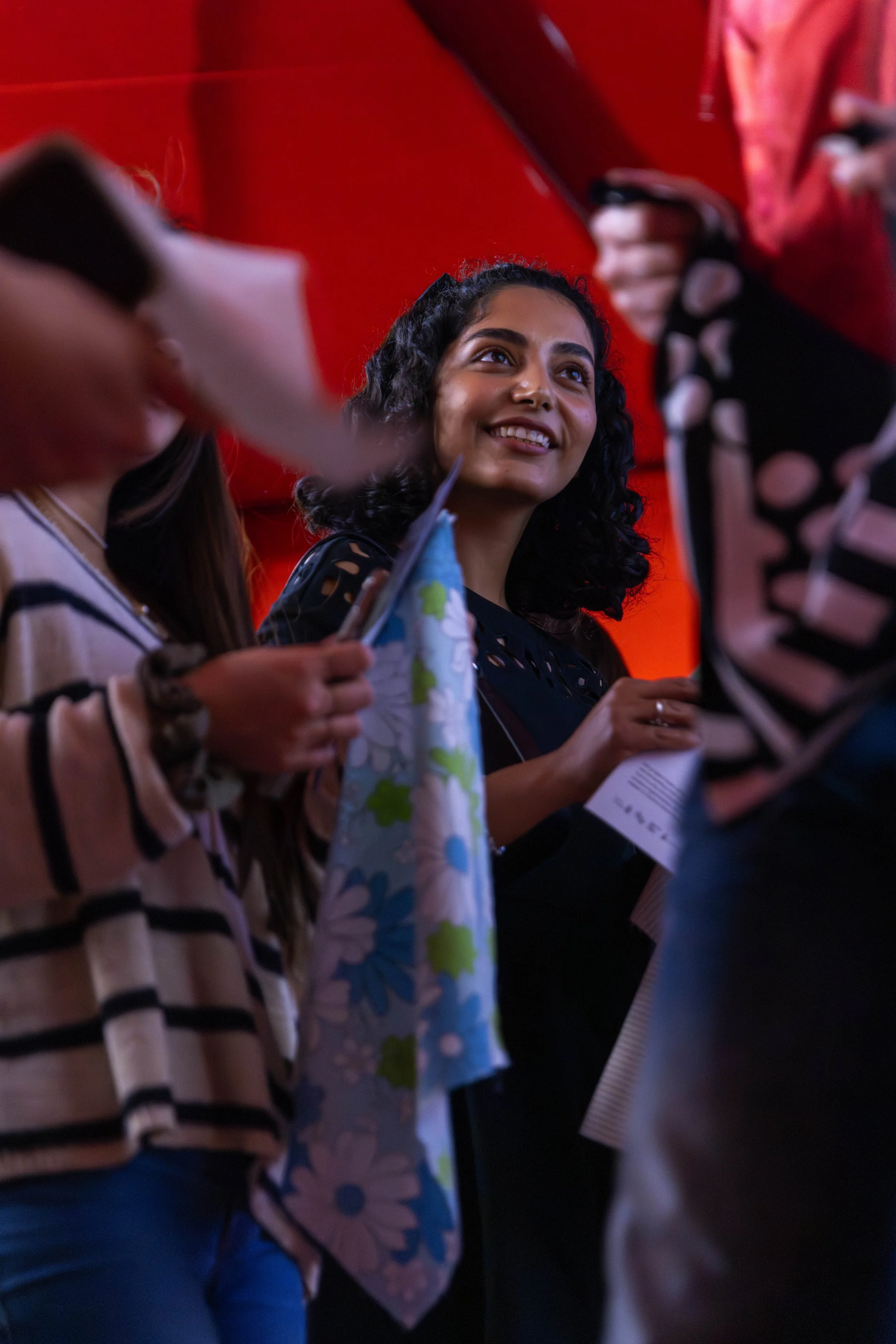
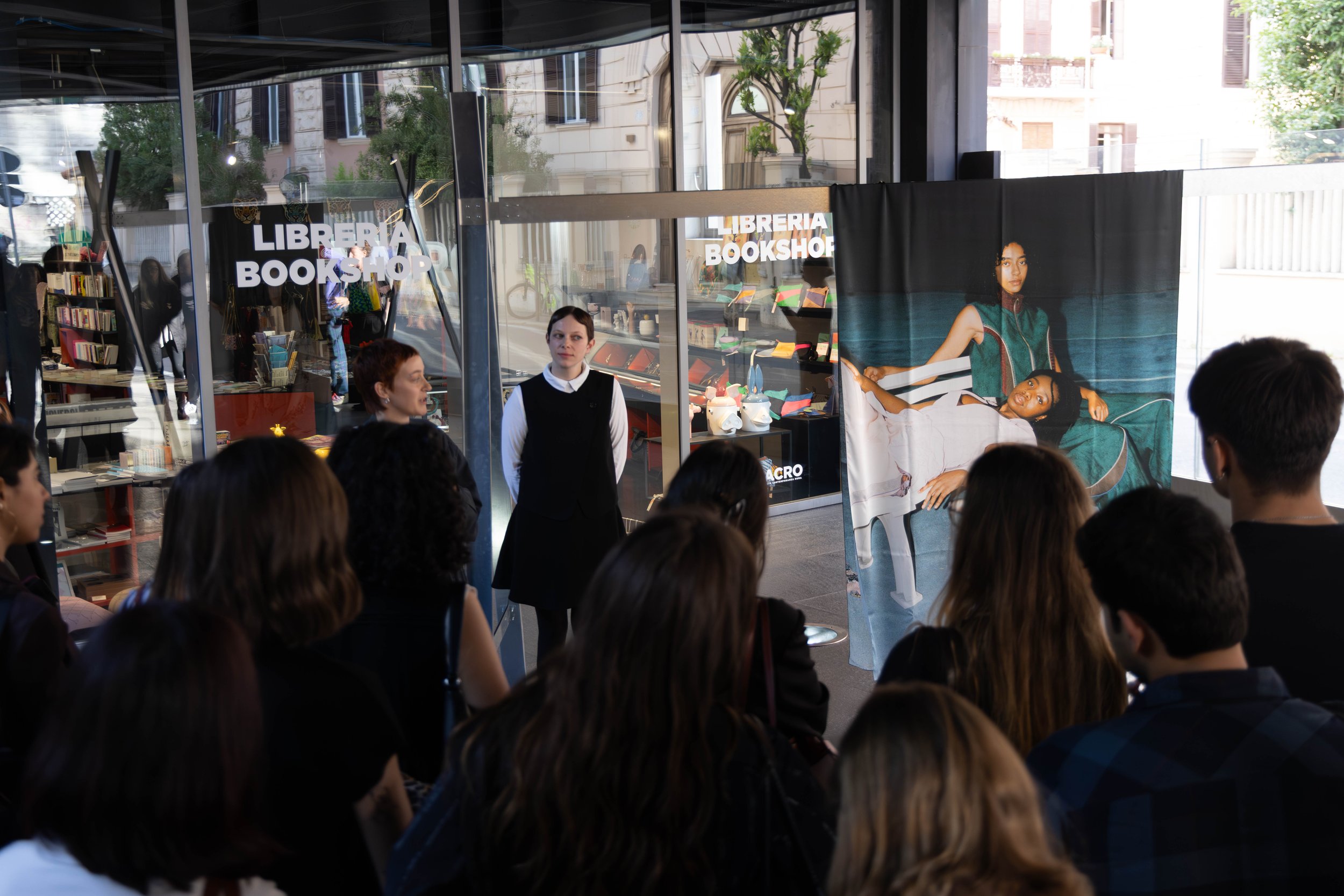
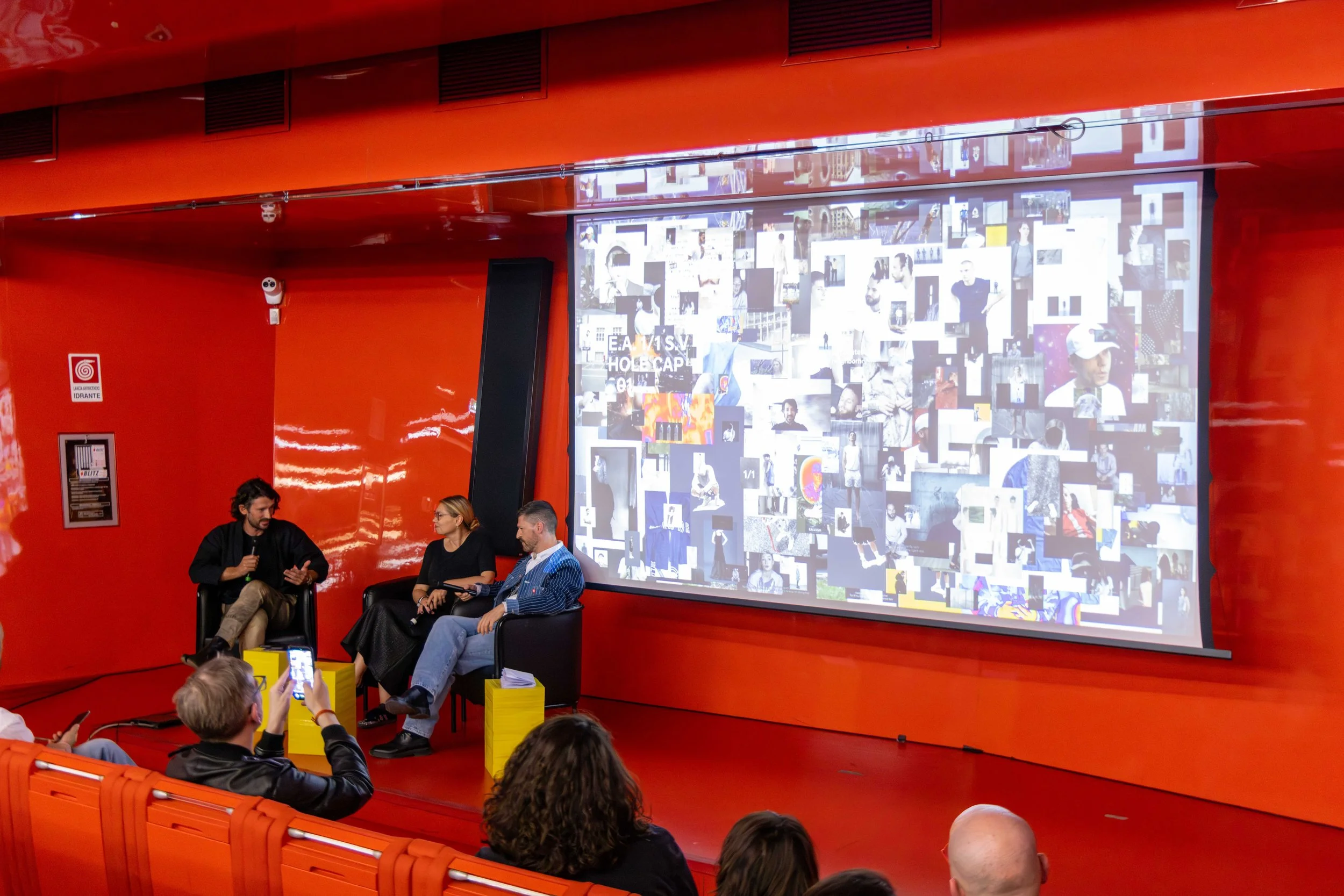
Last week FASHIONCLASH directors, Branko Popovic and Els Petit-Carapiet, attended Science Fashion, a three-day conference, exhibition and programme at MACRO – Museum of Contemporary Art in Rome, curated by Dobrila Denegri as part of her ongoing multi-year project Experiments in Fashion and Art. It brought together an impressive range of international voices at the intersection of fashion, science, and emerging technologies. A great encounter with new insights, new people, and a lot to think about. The word ‘science’ was approached more broadly, it was rather about the knowledge and sharing of insights and reflections.
The programme was structured around four themes: renewal (new materials and processes), dematerialisation (virtual and digital fashion), interaction (wearables and sensorial clothing), and recovery (upcycling, co-creation, and the ethics that generate new aesthetics). The ambition was not to define new trends, but to open up deeper questions about how fashion is conceived, produced, and understood today and crucially, how it is taught.
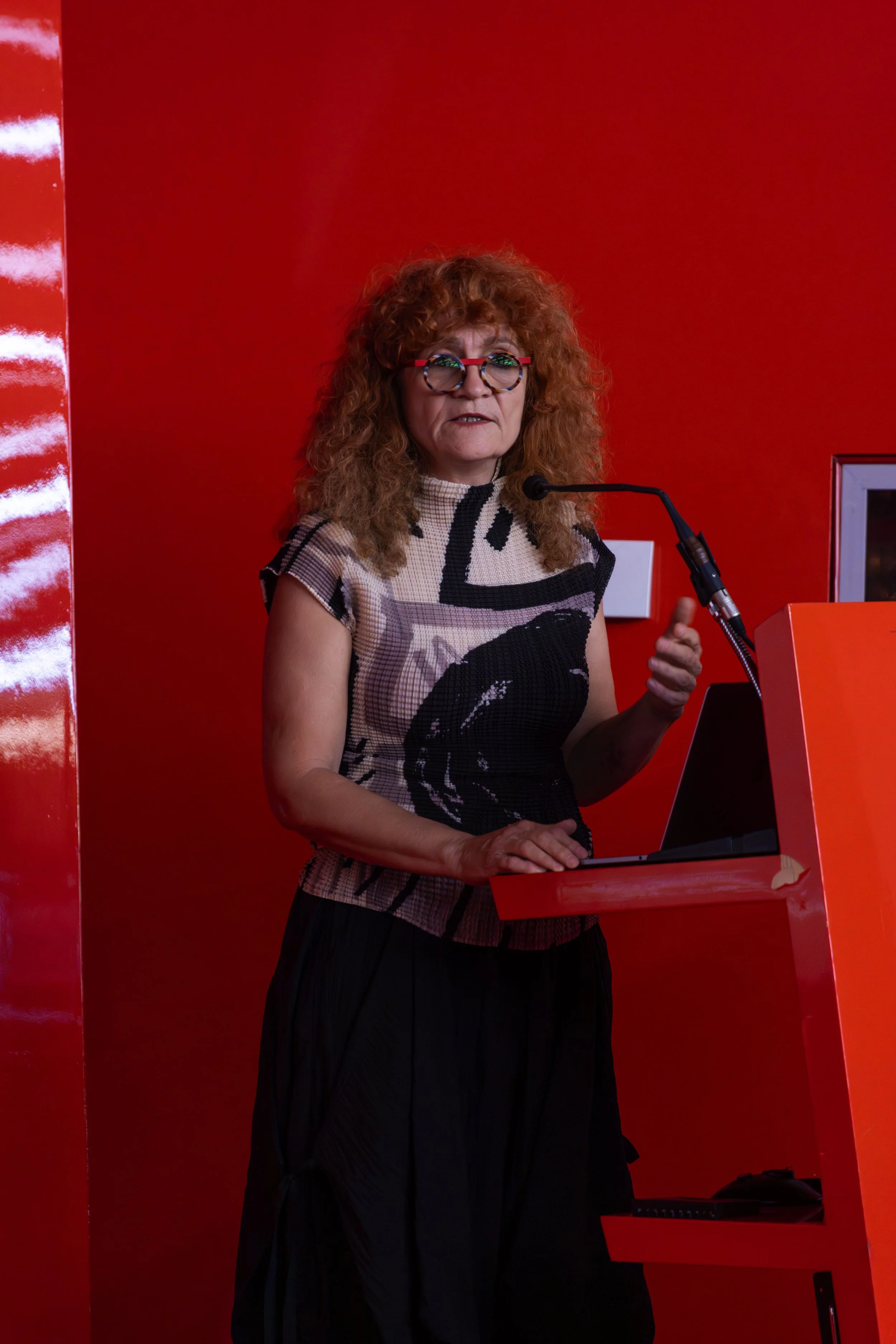
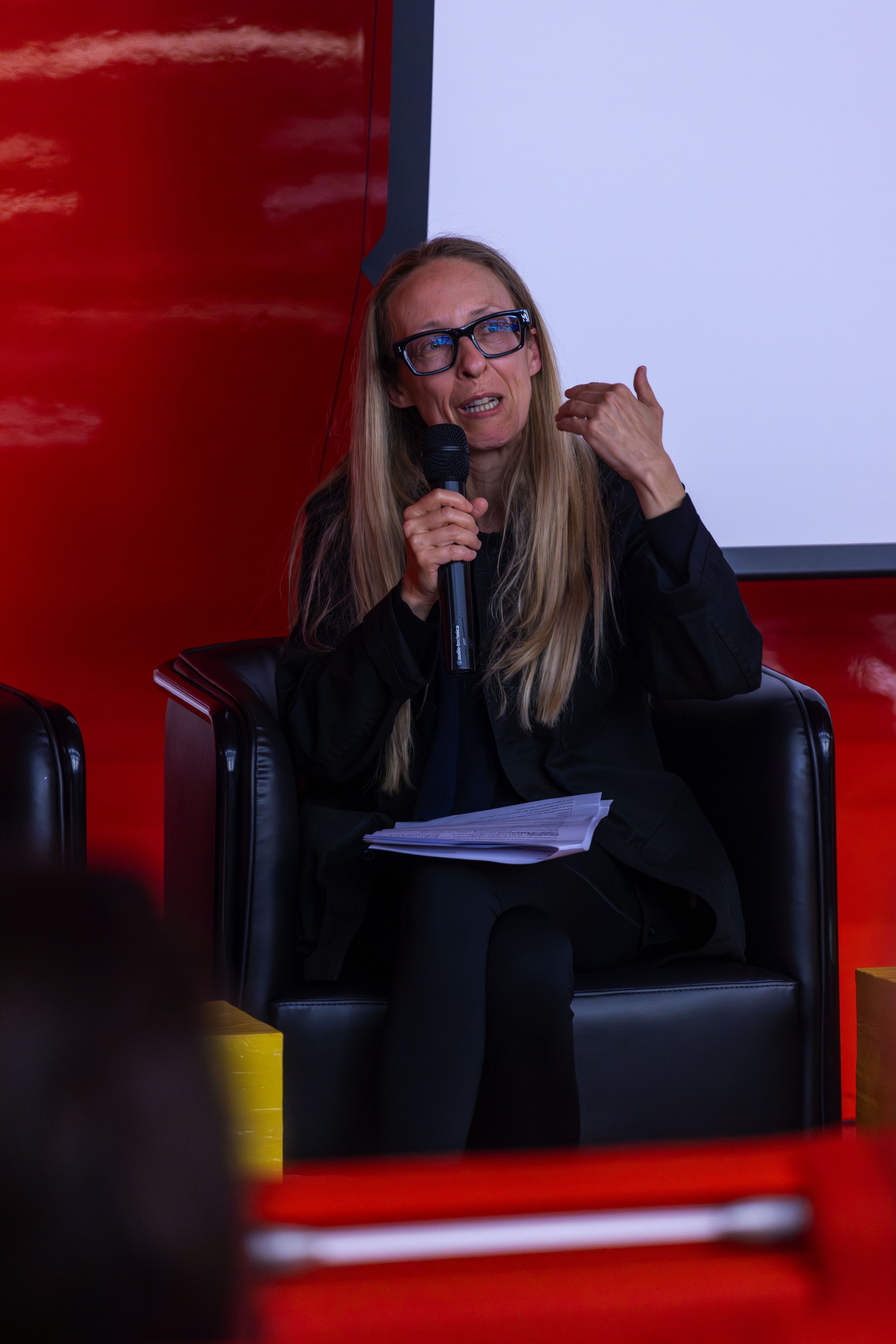
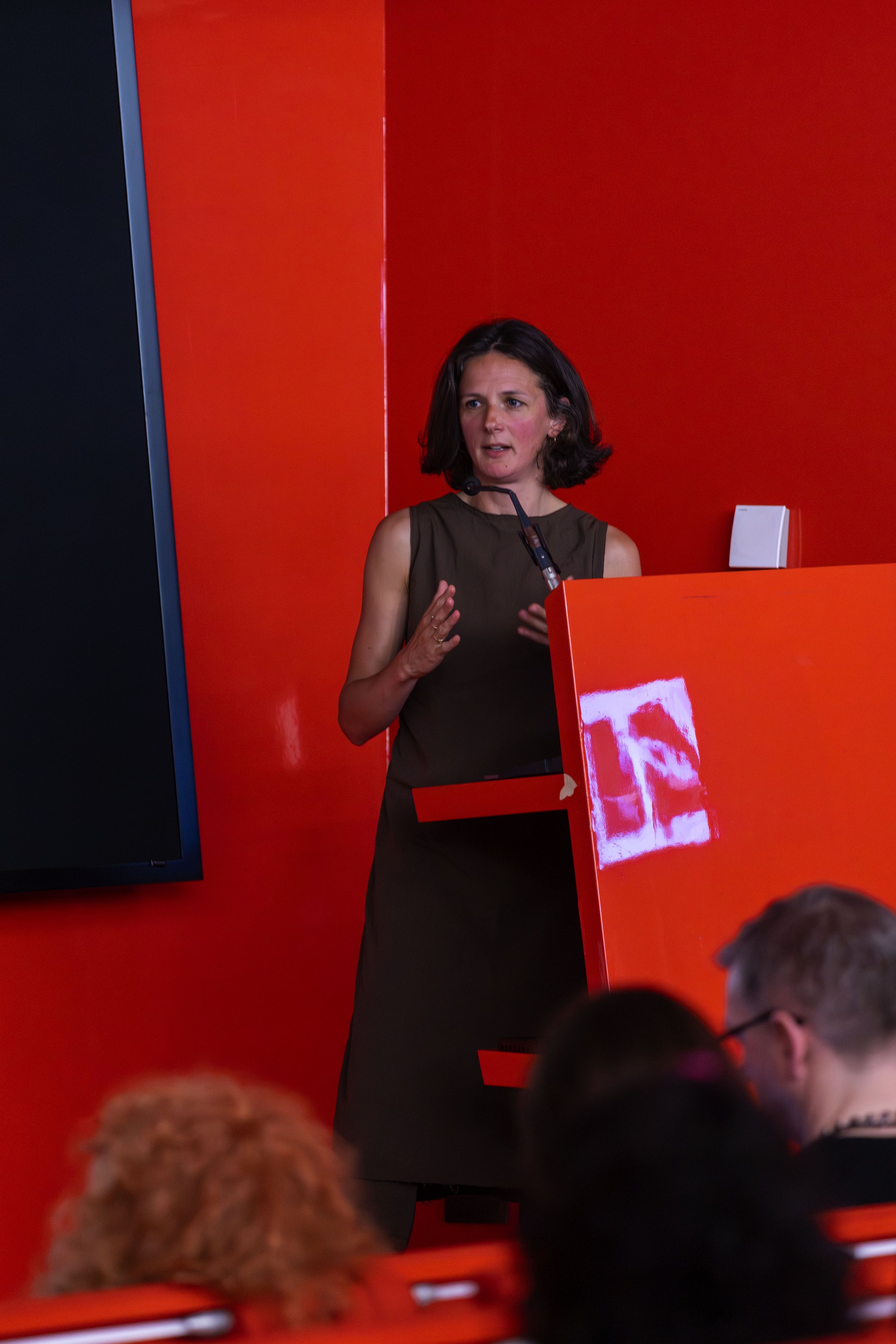
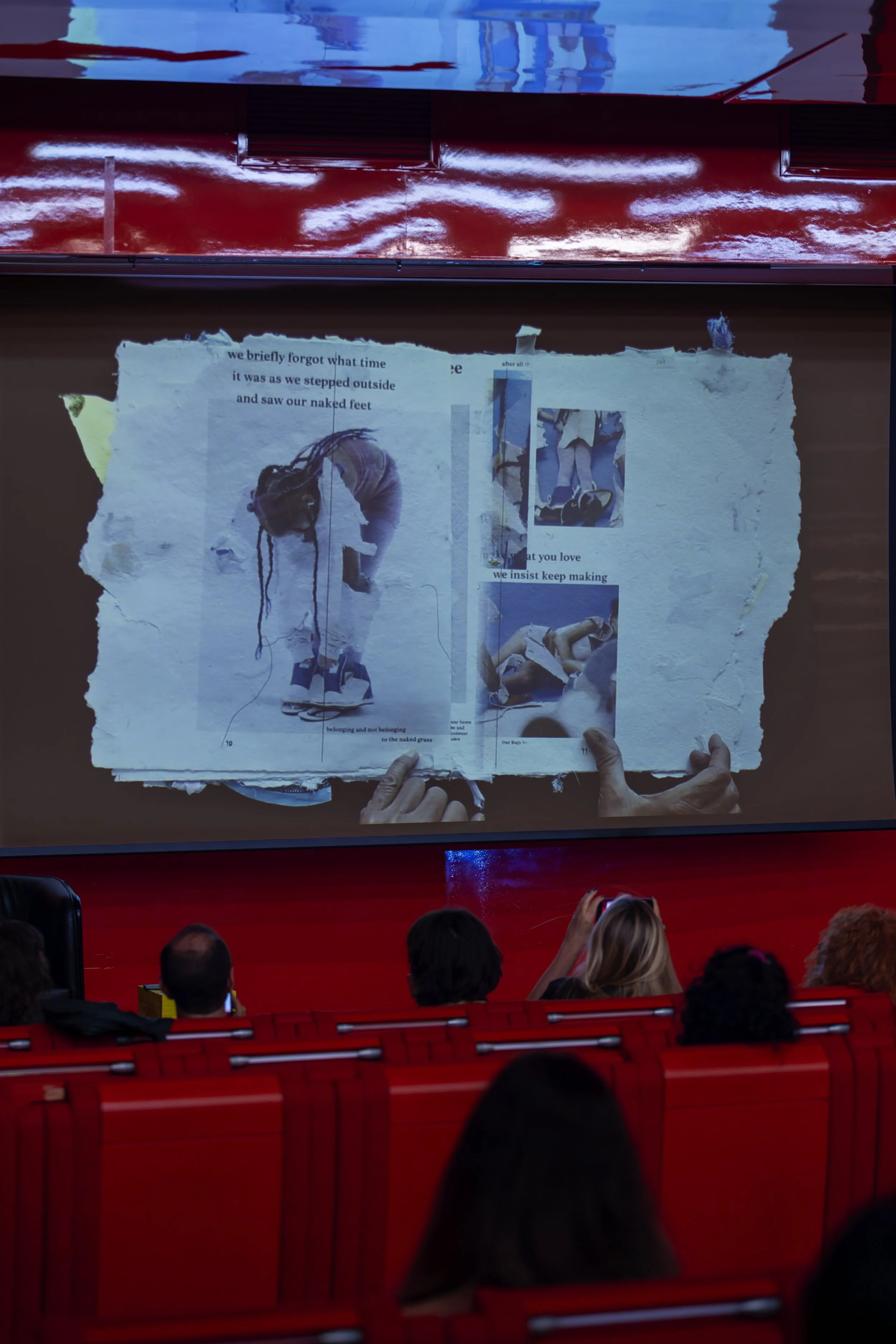
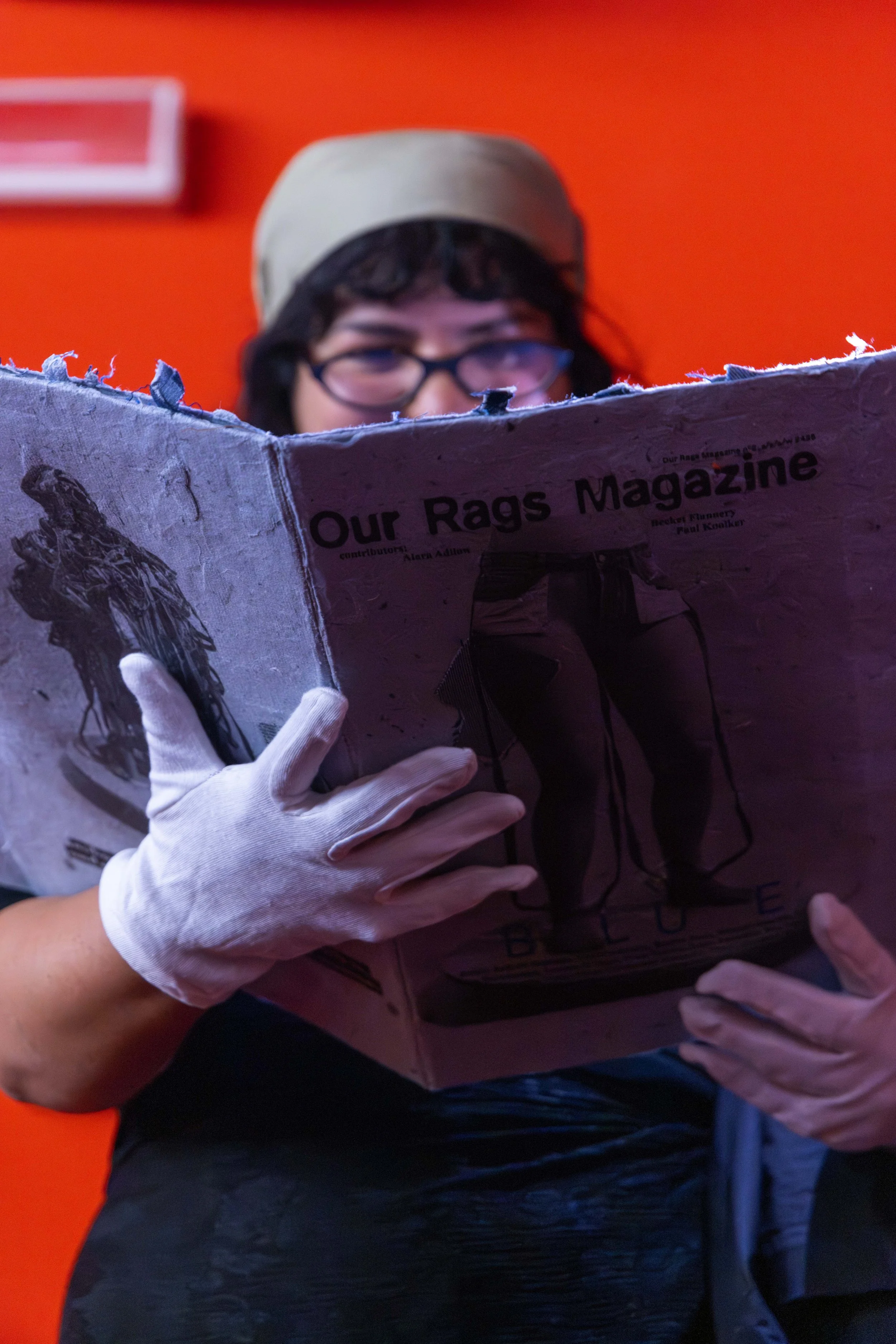
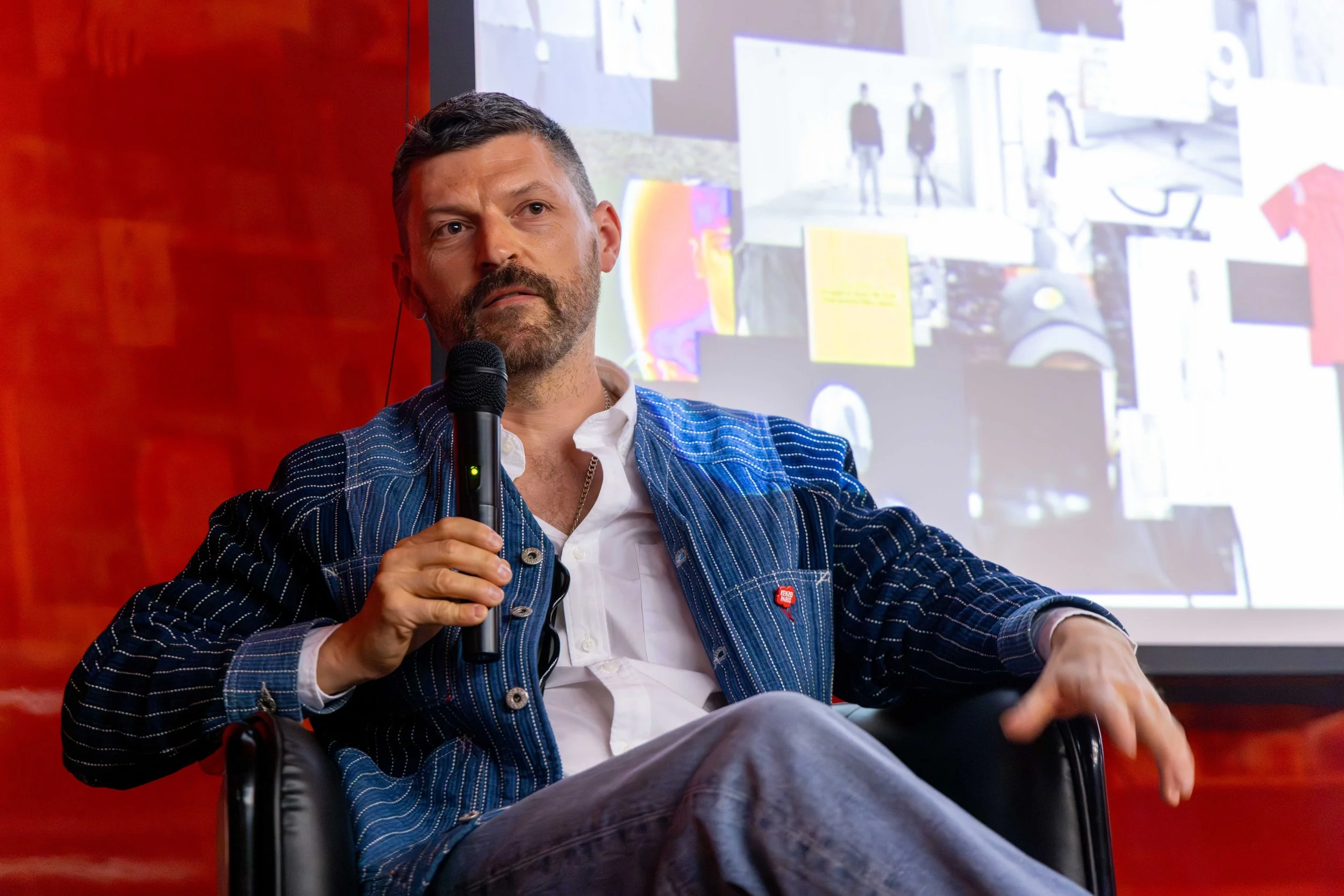
The speaker programme featured a strong and varied lineup. threeASFOUR co-founder Adi Gil opened the conference with a conversation on fashion as a radical act of collaboration shaped by war, identity, and hope. Jens Laugesen presented his METASENS TRILOGY, a phygital fashion project merging physical design with AR, VR, and metaverse environments. Silvio Vujičić and Miro Roman introduced SOLL — simultaneously a fashion designer, an AI, a search engine, and a cloud of images. Galina Mihaleva (Arizona State University) examined garments as responsive interfaces between body, environment, and data. Gloria Maria Cappelletti explored how AI is transforming fashion as a form of self-expression, giving rise to what she calls the uncanny self. Elisa van Joolen presented Our Rags Magazine, a fashion magazine made entirely from recycled clothing. And Paolo Franzo argued for repositioning nature as an active material agency within fashion's design processes.
Education was a central thread throughout, with a dedicated session on the digital turn in fashion education bringing together heads of fashion from leading Roman academies, and presentations by Ute Ploier on the Fashion & Technology programme at the University of Art and Design Linz. The programme also included the Rome premiere of Dust to Dust, the award-winning documentary following Japanese designer Yuima Nakazato from the landfills of Kenya to the Paris Haute Couture runway.
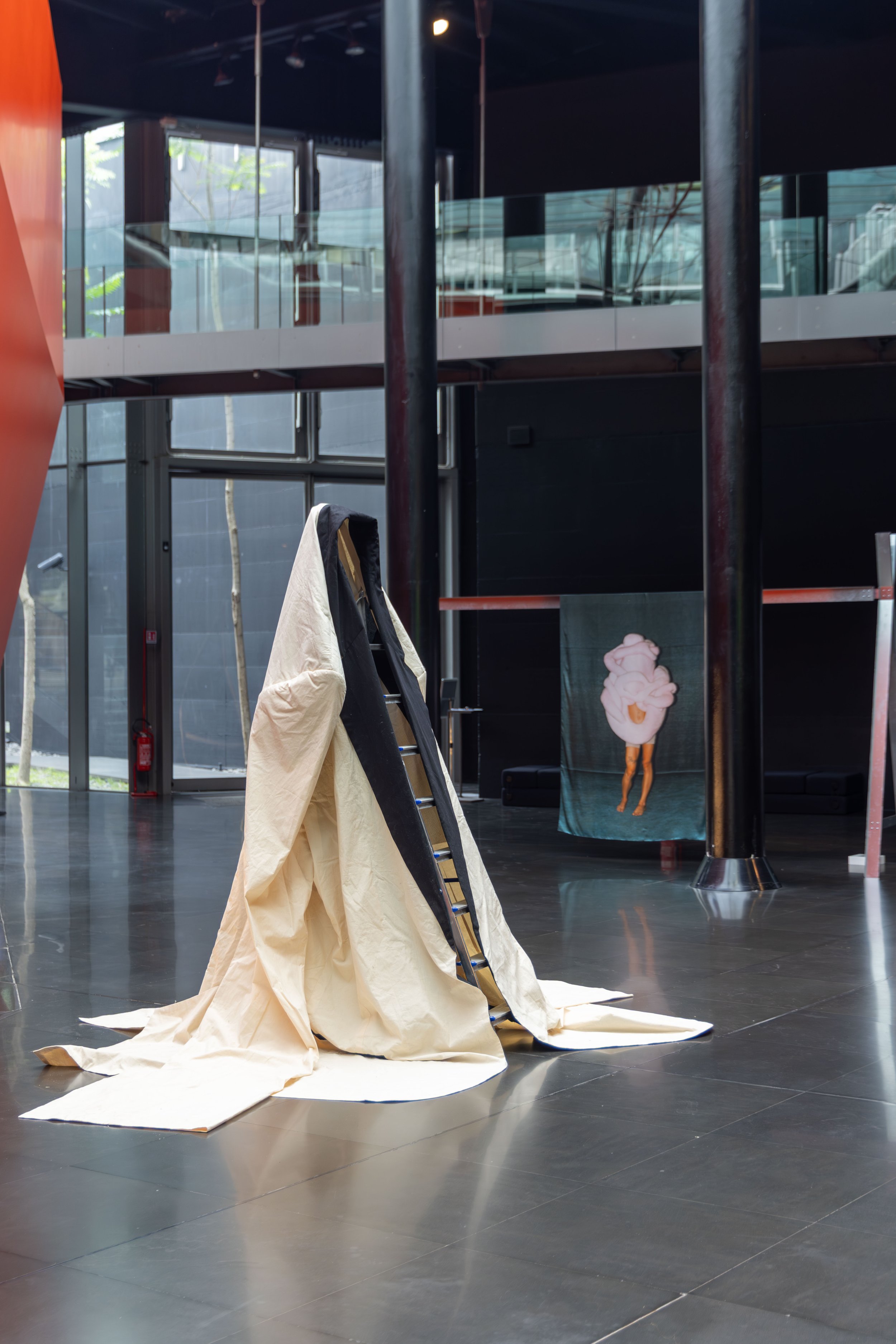
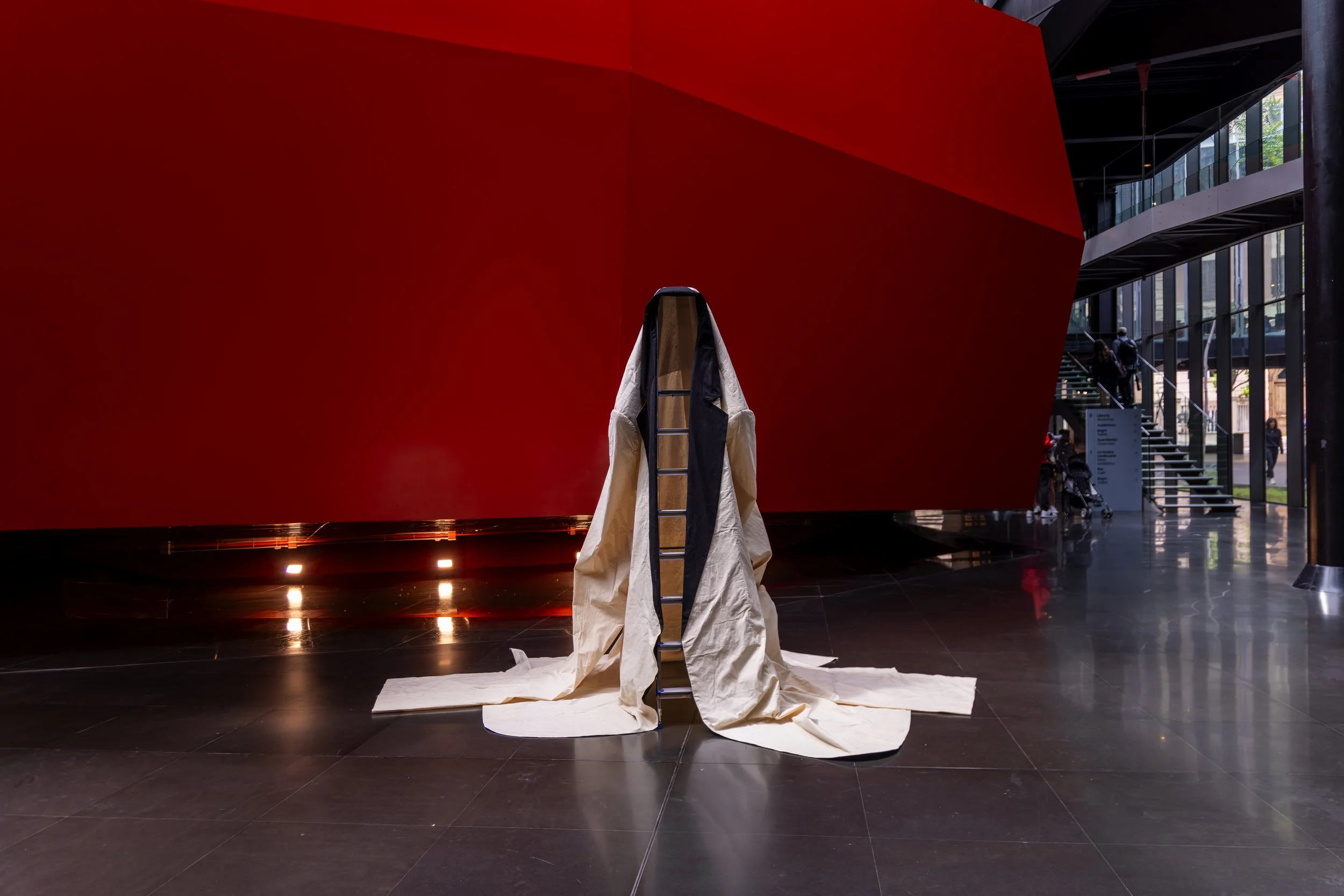
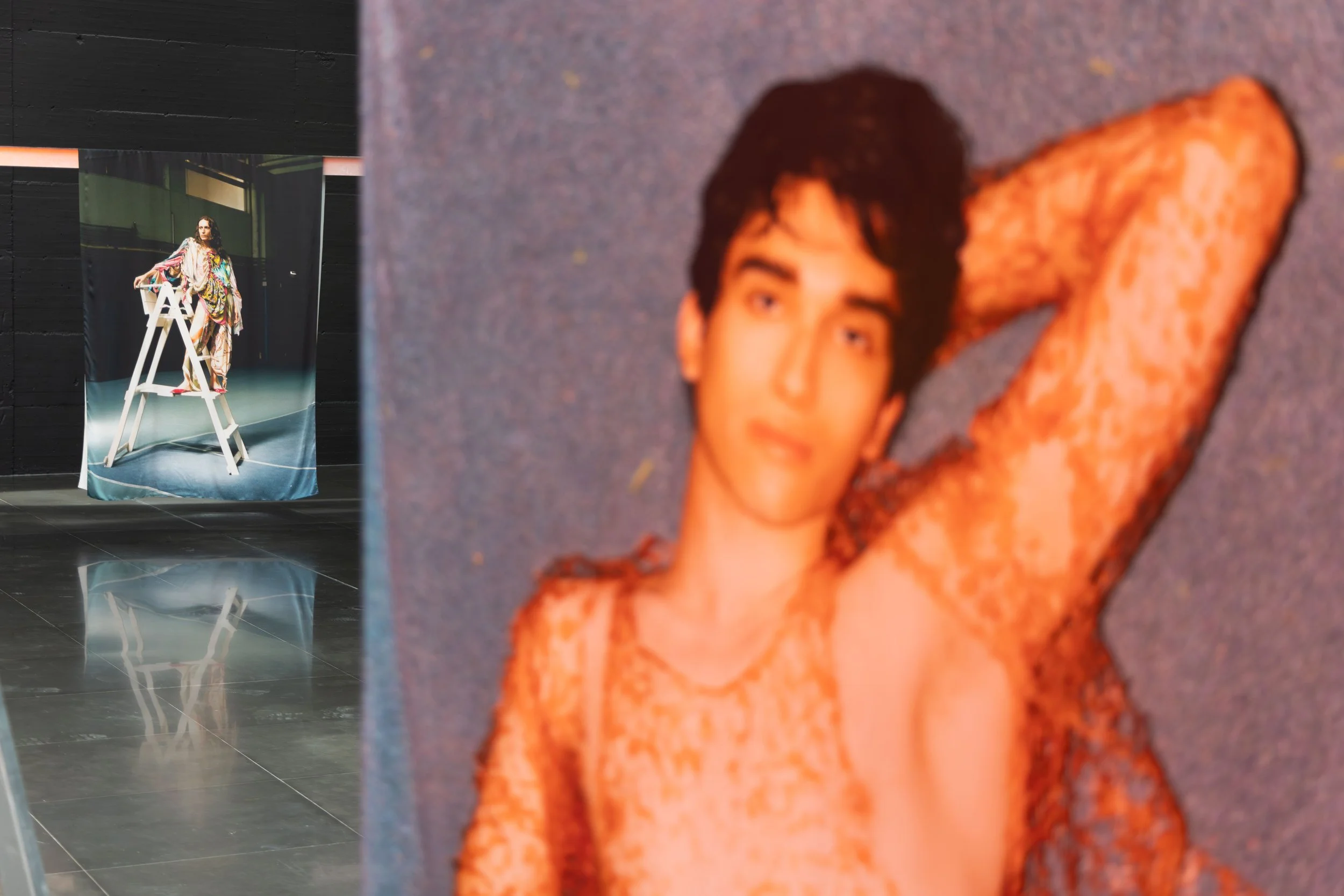
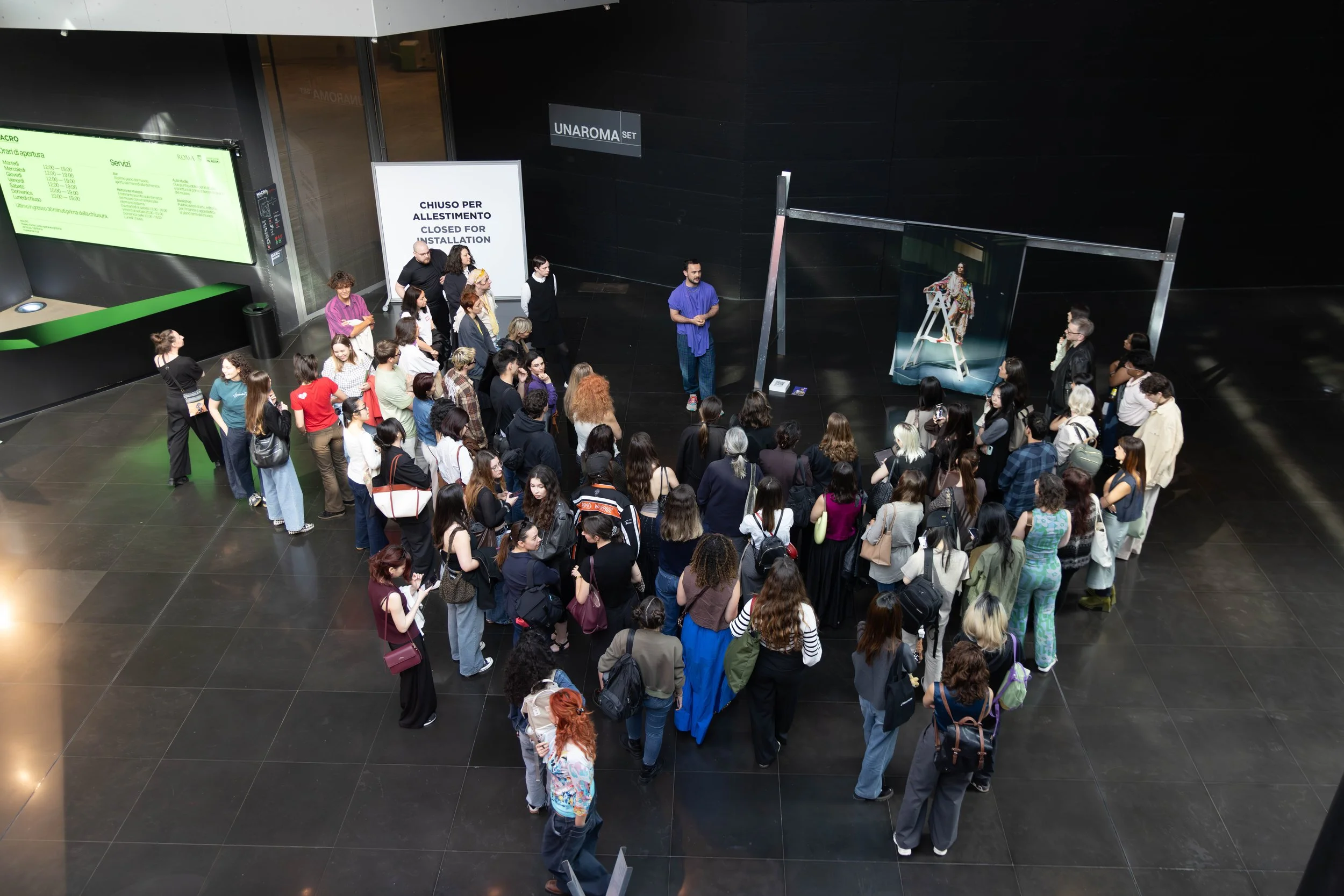
Exhibitions at MACRO and NABA featured installations and photography by Anna Breit with Fashion & Technology students from Linz, work by Christina Dörfler and Giulia Tomasello, and Jens Laugesen's touring installation XXL JACKET. Dörfler's practice centres on natural dyeing and the material layers of making — drawing on historical practices from Hallstatt, Austria, to develop new textile design strategies through plant-based dyes, mineral pigments, and resist techniques. Tomasello's workshop, Coded Biophilia, explored soft wearables and biological textiles, asking how living matter might shape textile futures and redefine our relationship with nature and technology.
Workshops at NABA on natural dyeing and soft wearables opened the programme to students.
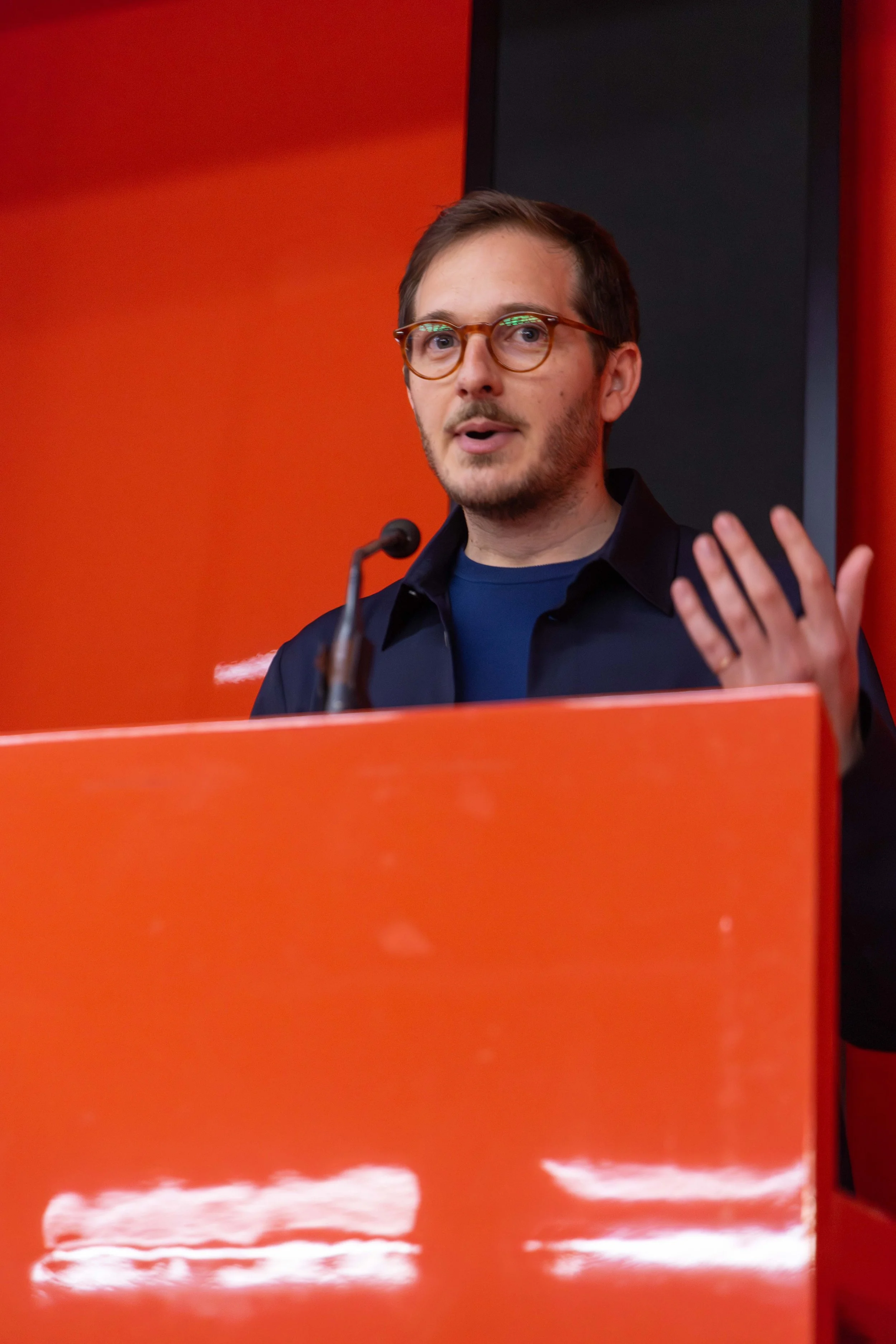
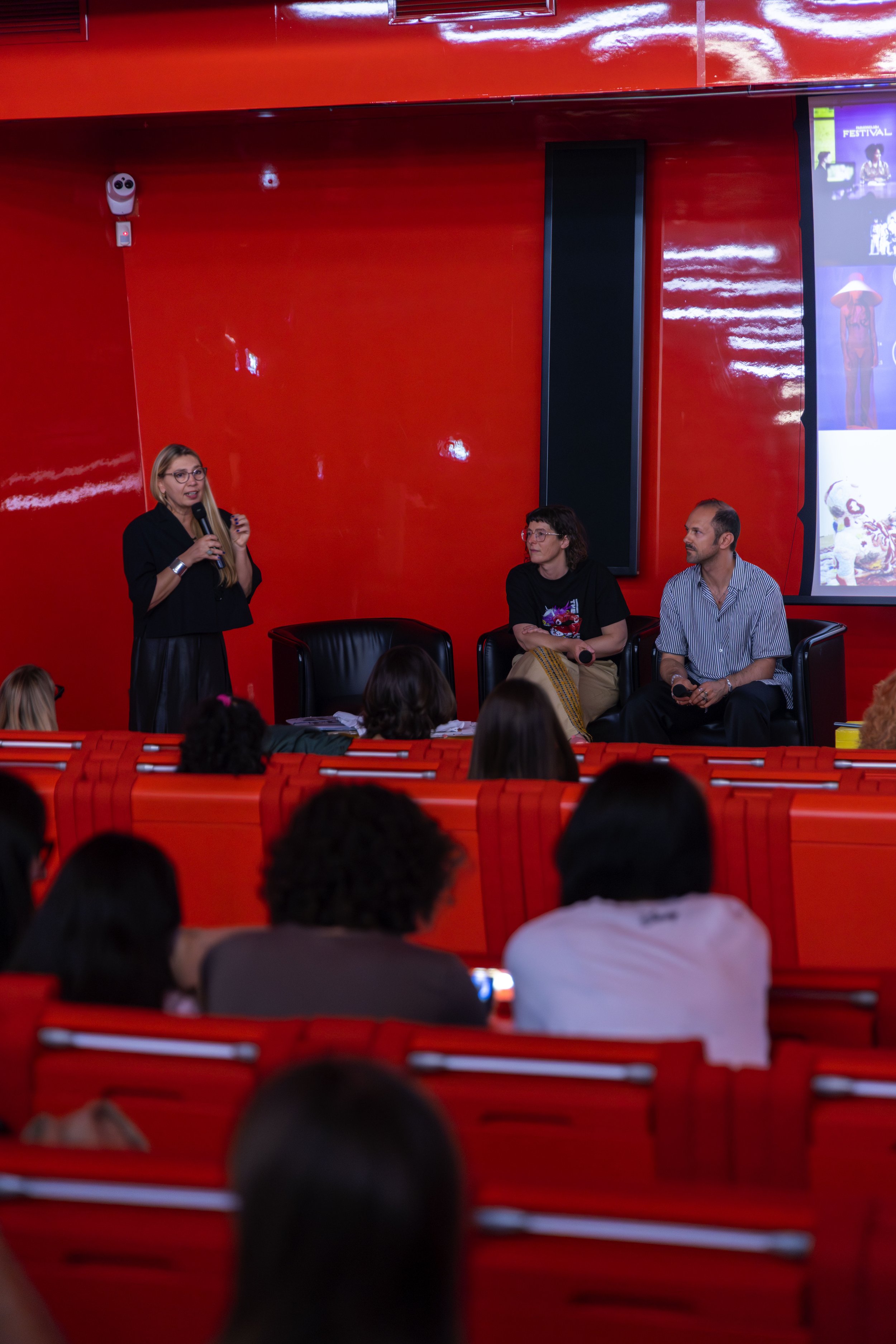
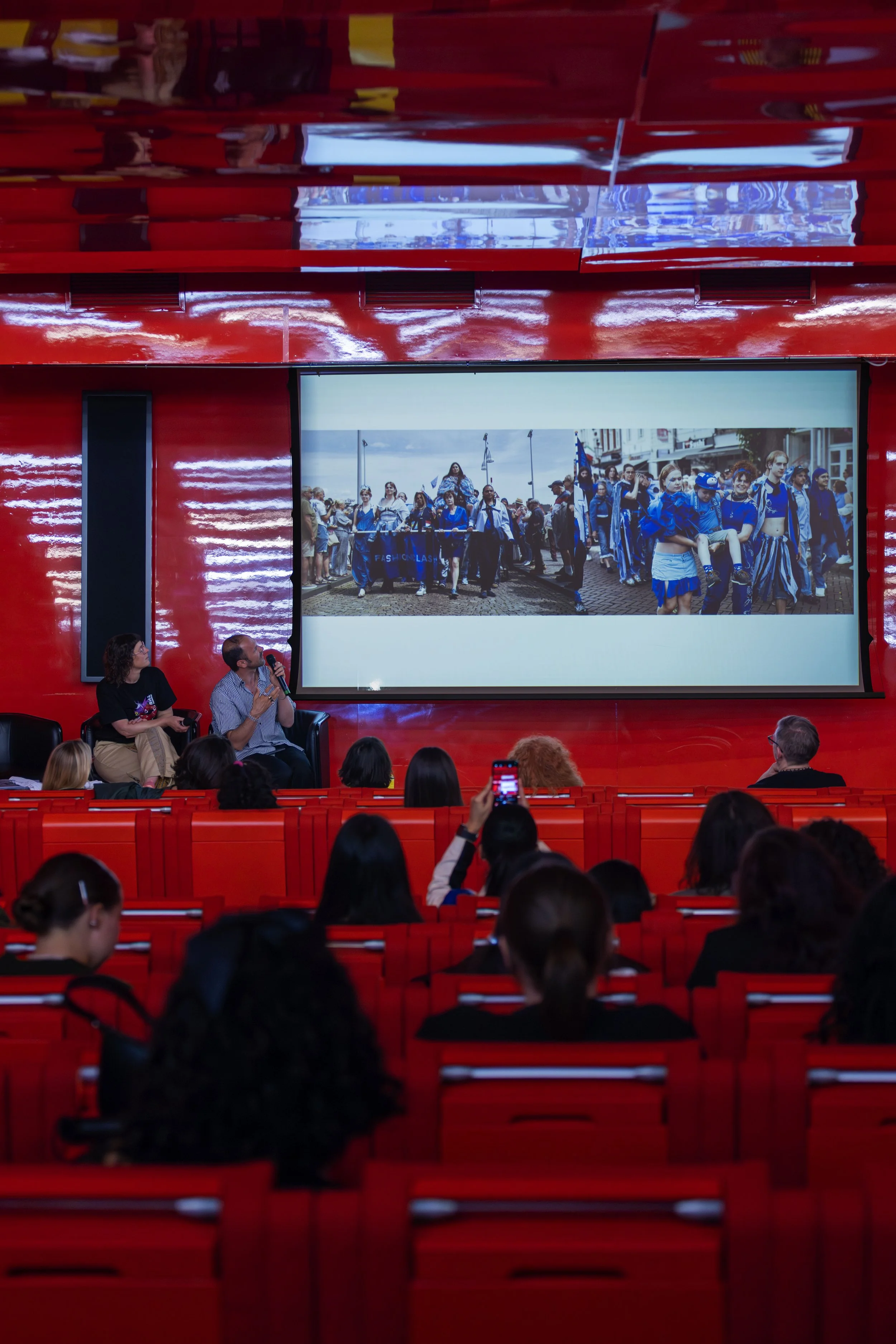
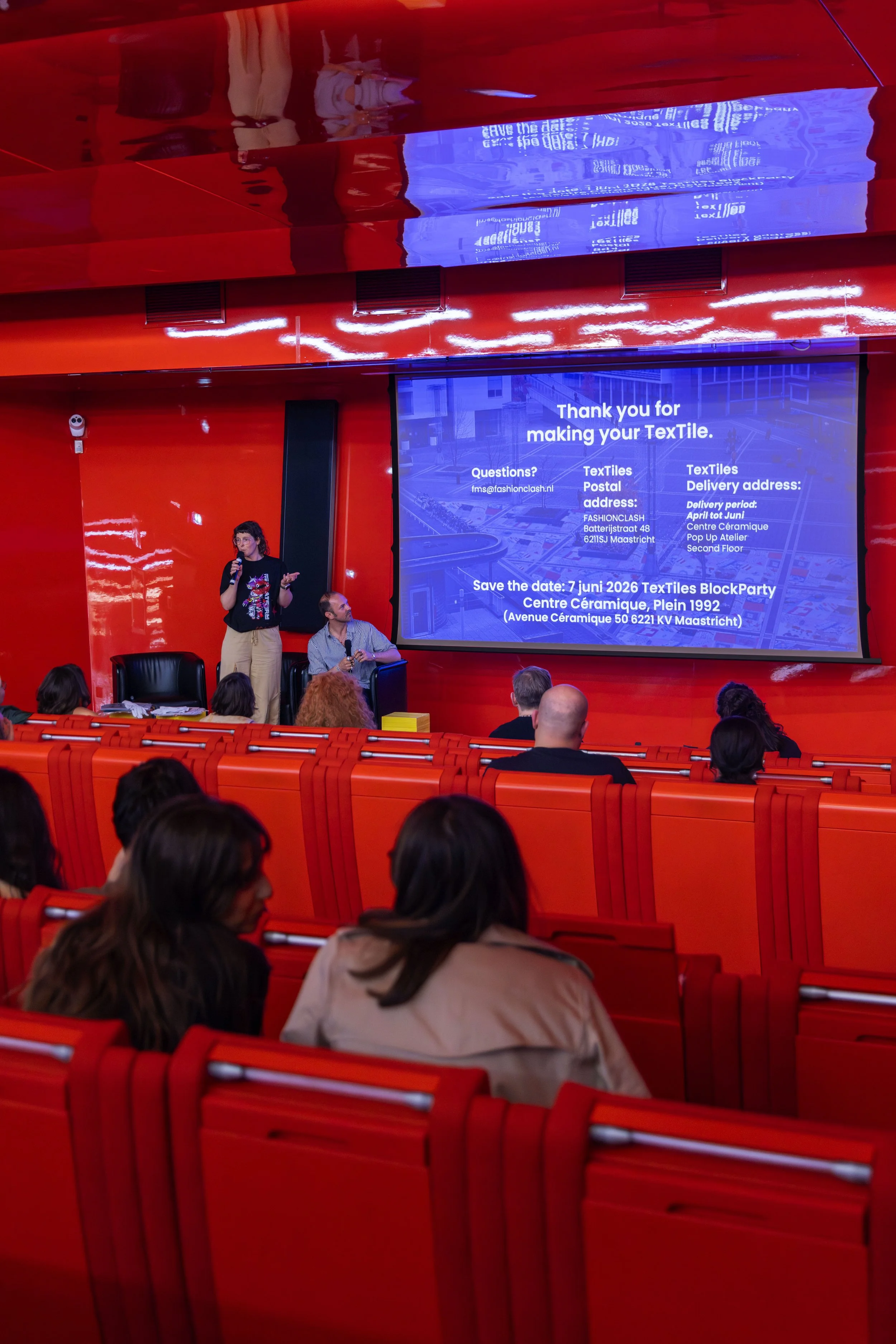
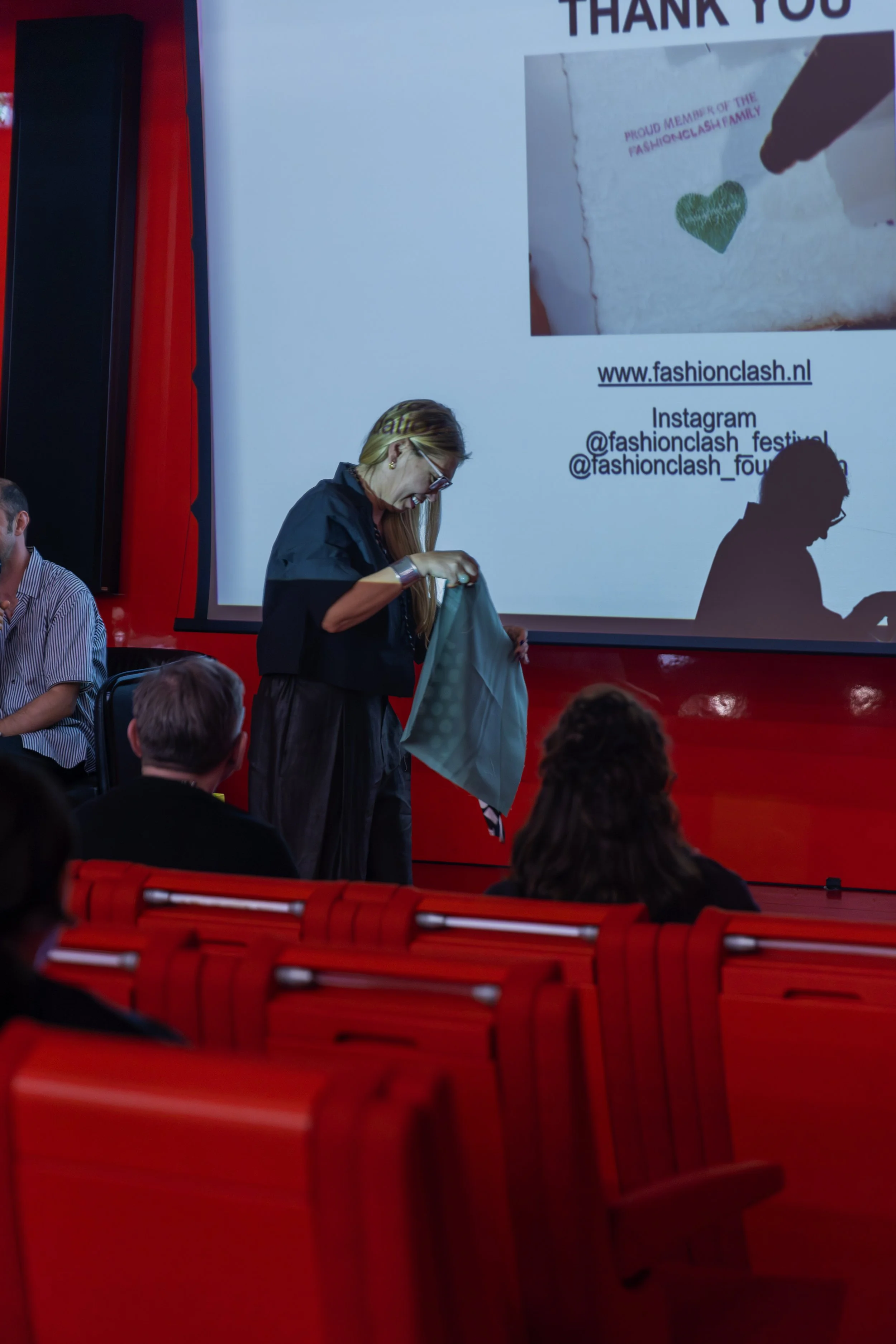
On behalf of FASHIONCLASH, Els Petit-Carapiet and Branko Popovic presented Fashion Makes Sense: Social Design in Practice, a session on FASHIONCLASH's ongoing programme of social design and co-creation projects. We shared two examples: People Carry People, a large-scale performance for the Heiligdomsvaart Maastricht 2025, where over 100 participants across generations co-created costumes and objects from discarded textiles as part of a city procession; and TexTiles, a participatory project for Maastricht Year 2026, in which hundreds of residents are creating individual textile tiles that together form a collective artwork on Plein 1992, inspired by the signing of the Maastricht Treaty. Both projects speak to fashion as a medium for recovery, of materials, of communities, and of collective meaning.
More about Experiments in Fashion
https://efa.community
Instagram: @experiments.fashion.art
All images courtesy:
MACRO – Museum of Contemporary Art of Rome. © Azienda Speciale Palaexpo. Ph. Monkeys Video Lab.