
Boekhandel Dominicanen
What happens when Maastricht’s history gets a new outfit?
What happens when Maastricht’s history gets a new outfit?
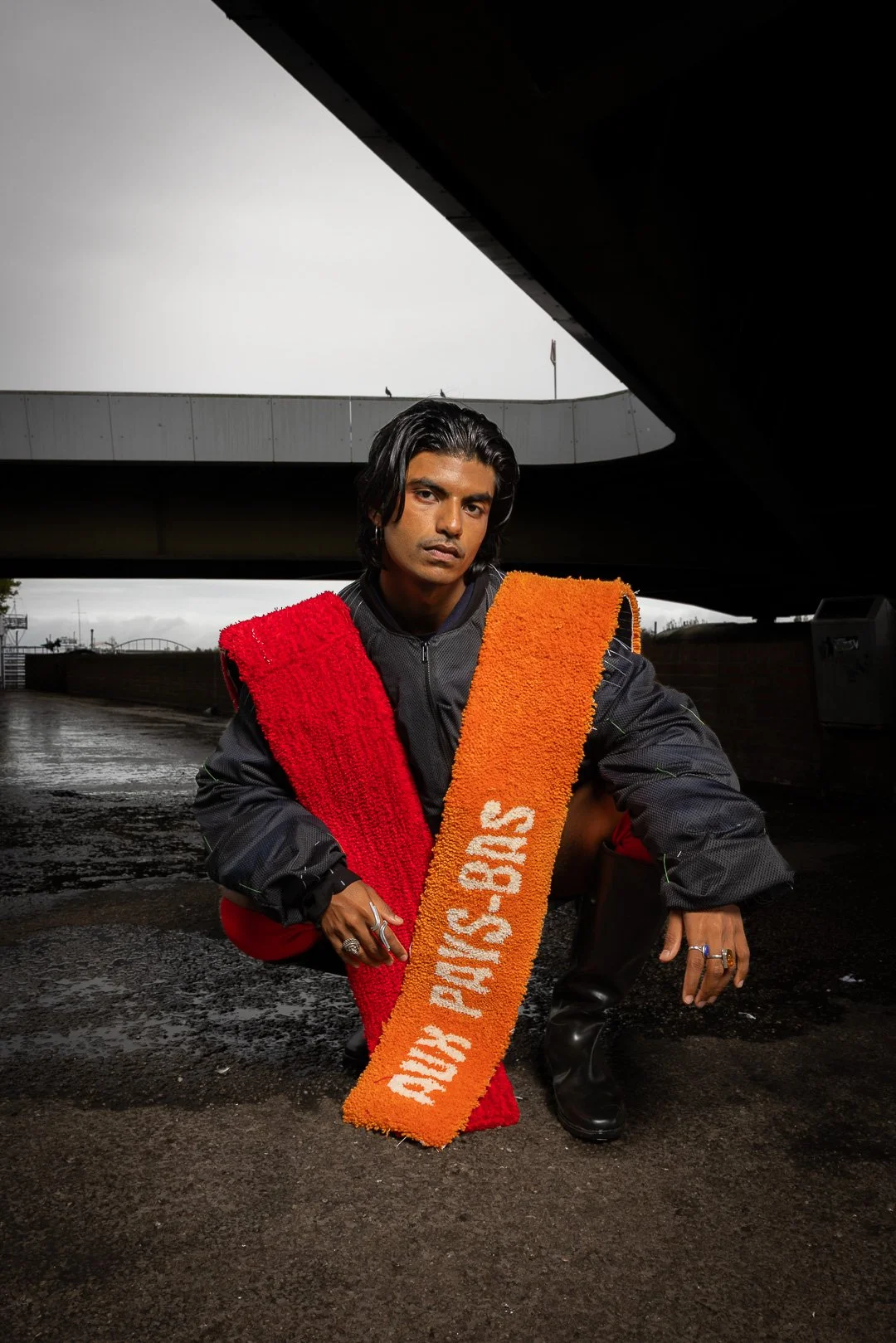
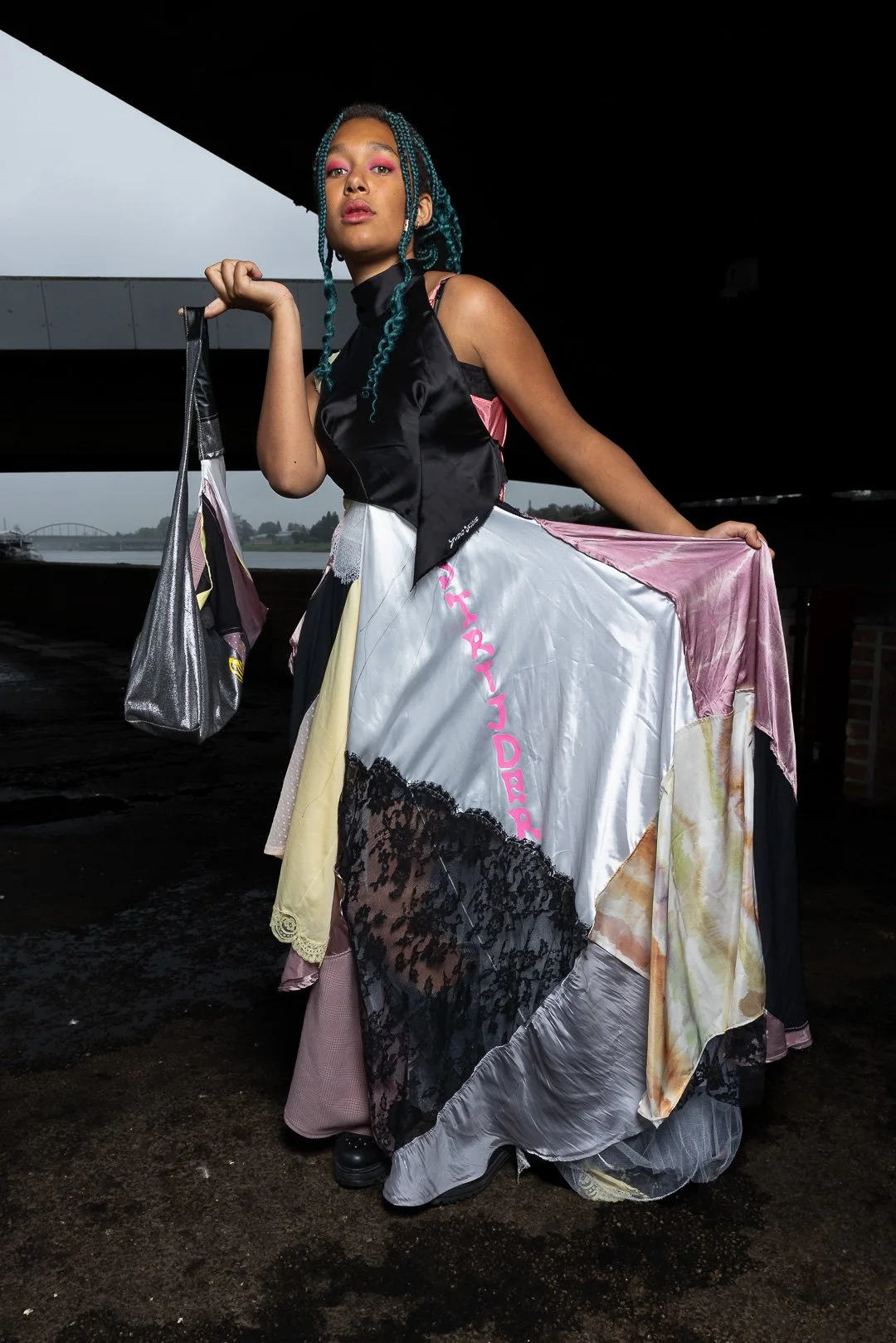
For ‘Sterren van de Stad’ (Stars of the city), Maastricht heroes were paired with local designers, who translated their stories, character and significance into contemporary fashion designs. Rather than recreating historical clothing, the designers created their own interpretations, offering a new way of looking at the city and its history through fashion.
At Boekhandel Dominicanen, you can discover six unique designs, each inspired by a different Maastricht figure or symbol:
Elisabeth Strouven — Chiron Floris
Elisabeth Strouven lived in the 17th century and dedicated her life to caring for poor and sick people. In 1628, she founded a community that later became known as Calvariënberg. Her message was simple: help everyone who is suffering.
Designer Chiron Floris translated this idea of zörg drage, or caring for others, into a design that focuses on care for both people and materials. Second-hand cotton shirts are given new value through embroidery and smocking. References to respect and the craft of shoemaking connect Elisabeth’s story to the question of how we treat textiles today.
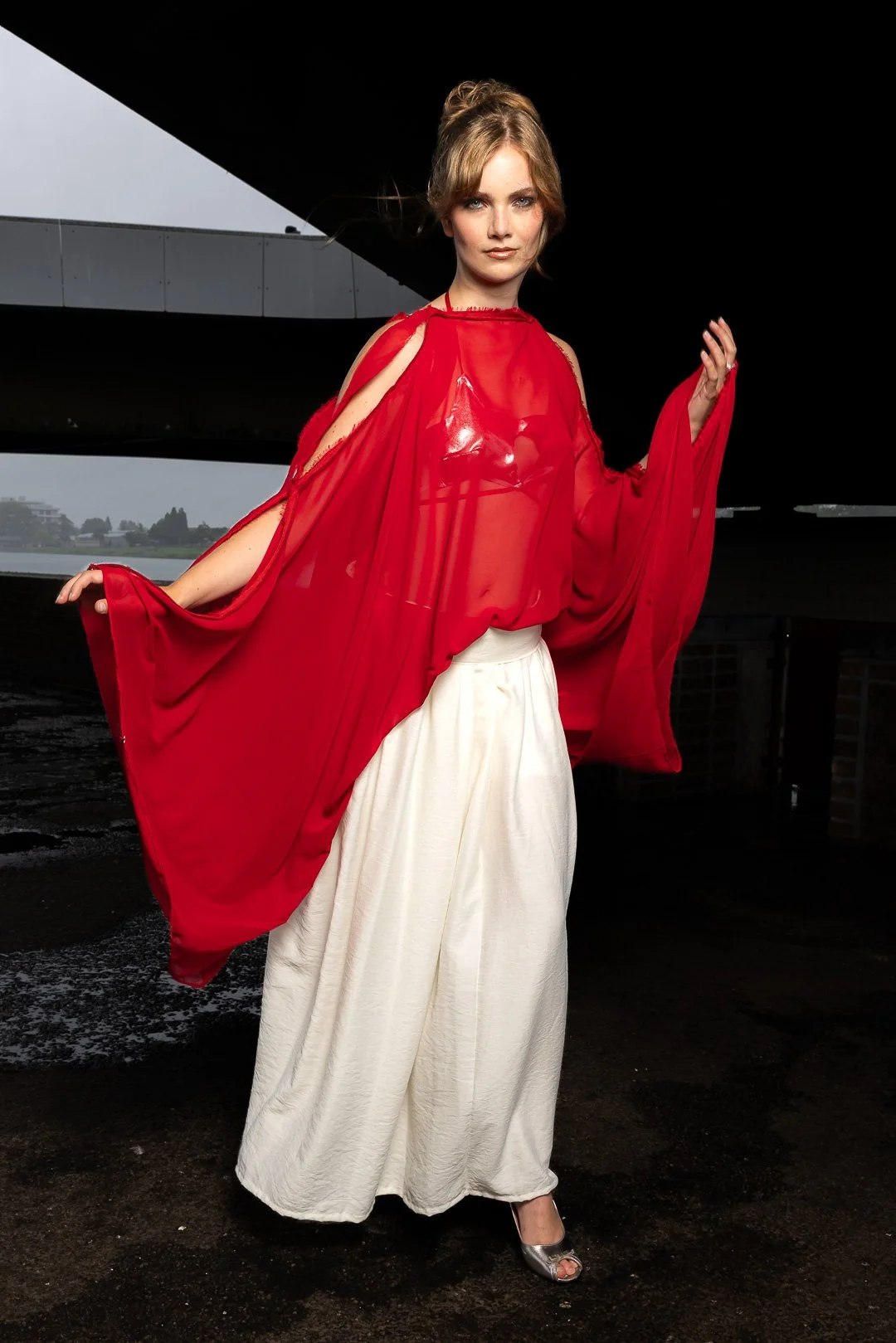
Emma Kok — Jessie Römkens
Emma Kok is a young singer from Maastricht who became known through her participation in The Voice Kids. Her performance of Voilà with André Rieu in 2023 touched people around the world. Her story shows how vulnerability can become strength.
Designer Jessie Römkens was inspired by Emma’s personal strength. In her work, she often explores contrasts between hard and soft, raw and refined. The outfit represents Emma’s journey: an inner world of vulnerability that becomes something powerful, expressive and unforgettable.
Willy Brokamp — Michelle Cornelissen & Sabrina Schreurs
Willy Brokamp was a famous professional football player from Limburg and an icon of Maastricht’s sporting history. He played for the Dutch national team and was known for his speed, goals and long blond hair. His nickname was the White Arrow.
Designers Michelle Cornelissen and Sabrina Schreurs explore the tension between talent, expectations and identity in their design. Exceptional talent can also bring pressure, as expectations of success can shape how someone sees themselves. Brokamp’s strong connection to Maastricht is an important part of this story.
Goddess of Fame — Marte Morel
The Goddess of Fame, or Fama, is a figure from Roman mythology. She represents fame and remembrance. With her long trumpet, she spreads the good reputation of remarkable people. In Maastricht, she represents the people who have shaped the city throughout its history.
Designer Marte Morel was inspired by Fama’s theatrical and historical character. Her design combines references to the Roman goddess, stars and the symbols of Maastricht. The stars represent the city’s famous figures, turning the outfit into a costume celebrating fame and remembrance.
Saint Servatius — Jolieke Kessels
Saint Servatius was the first bishop and patron saint of Maastricht. According to legend, he moved the bishopric from Tongeren to Maastricht. His tomb in the Basilica of Saint Servatius still attracts pilgrims and visitors today. He is also known as the Iron Saint.
Designer Jolieke Kessels was inspired by the golden Noodkist and the female face with an amethyst on the façade of the basilica. She was especially drawn to this female detail, as women are often underrepresented in the history of the Church. She translates this inspiration into deep purple and gold, referring to history, spirituality and strength.
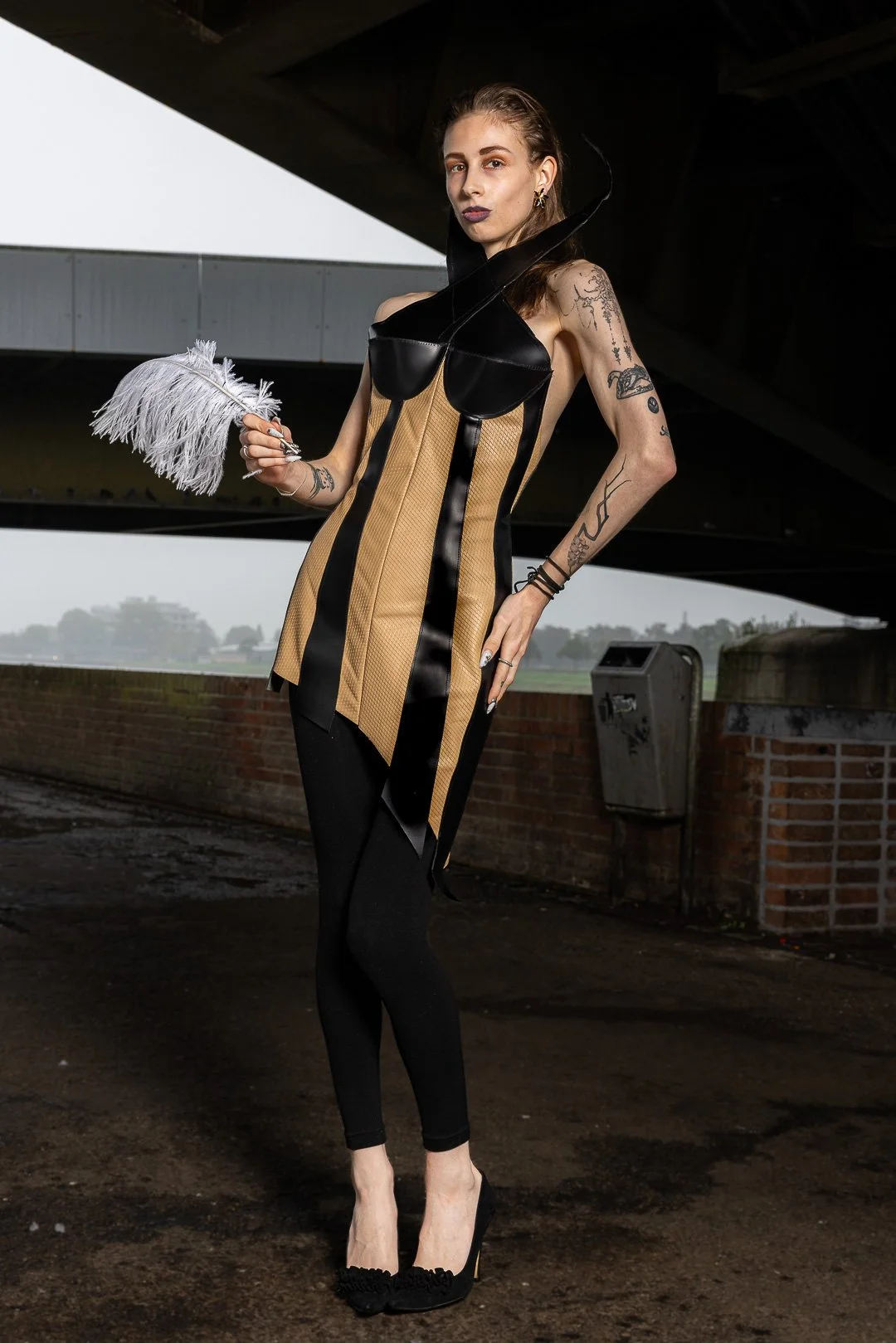
Andrée Bonhomme — Demi Overmars
Andrée Bonhomme was a composer from Maastricht who wrote music for choirs, brass bands and fanfares. During the Second World War, she refused to join the Nazi-controlled Chamber of Culture. In doing so, she stood up for her artistic freedom.
Her strength, independent spirit and determination inspired designer Demi Overmars. Her music is also an important starting point: mysterious, dark and elegant. Strong materials, sharp shapes and black strips refer to piano keys. The feathers refer to Bonhomme’s life motto: “If you want to be free and strong, work!”
Together, these six designs show how fashion can bring stories from Maastricht’s past into the present, connecting history, identity and personal interpretation through clothing.
Discover more ‘Sterren van de Stad’ at de Bijenkorf and Centre Céramique
Fotografie: Jurgen de Vries